

Growing persimmon trees in Oklahoma is feasible due to their high heat resilience. Selecting the right variety and implementing proper care techniques will ensure a fruitful harvest, even in the state’s challenging climate.
Oklahoma Persimmon Varieties for Successful Growth
Oklahoma’s unique climate presents both challenges and opportunities for growing persimmon trees. Understanding the specific varieties that thrive in this region is crucial for successful cultivation. This section explores the best persimmon varieties suited to Oklahoma’s heat and conditions, ensuring a fruitful harvest for both novice and experienced gardeners.
Selecting the right persimmon variety is crucial for successful growth in Oklahoma. The two main types are American persimmons and Asian persimmons.
American varieties are more cold-hardy but may not produce as much fruit. Asian varieties yield larger fruit and are more heat-tolerant. Understanding the characteristics of each will help you make an informed choice.
| Variety Type | Fruit Size | Cold Hardiness | Heat Tolerance |
|---|---|---|---|
| American | Small | High | Moderate |
| Asian | Large | Moderate | High |
Soil Preparation for Persimmon Trees
Preparing the right soil is crucial for successfully growing persimmon trees in Oklahoma’s challenging climate. The unique characteristics of Oklahoma’s soil require careful consideration to ensure optimal drainage and nutrient availability. Understanding the specific needs of persimmons will help create a thriving environment for these resilient trees.
Soil preparation is essential for healthy persimmon trees. They thrive in well-draining soil with a pH between 6.0 and 7.5.
Testing your soil will help determine if amendments are necessary. Adding organic matter like compost can improve soil structure and nutrient content.
Test soil pH using a home testing kit.
Amend soil with compost to improve drainage.
Ensure soil drains well to prevent root rot.
Recommended Products
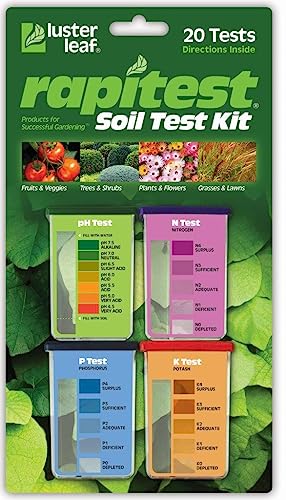
Quick, at home results for Soil pH, Nitrogen, Phosphorous and Potash Innovative and inexpensive soil test kit features an easy-to-use capsule system and patented color comparators

Accurate Soil pH Testing: Dewildetradingco Soil pH Test Strips offer measurements of soil pH levels (pH 3.5-9). As an essential tool for every gardener and grower, these test strips help determine the optimal pH for various plants, such as outdoor plants, indoor plants, gardens, grass lawns, fruit trees, flowers, vegetables, and forest shrubs.

Kindly NOTE: This soil tester can not be applied to test pH value of any other liquid. If the soil is too dry the indicator will not move, and water it before testing.
Watering Strategies for Oklahoma Persimmons
Effective watering strategies are crucial for cultivating healthy persimmon trees in Oklahoma’s challenging climate. Given the state’s high heat and variable rainfall, understanding how to manage water supply can significantly impact tree growth and fruit production. This section explores optimal watering techniques tailored to the unique conditions faced by persimmon growers in the region.
Proper watering techniques are vital for persimmon trees in Oklahoma’s heat. Deep watering encourages root growth and resilience against drought. Young trees require more frequent watering until established.
Water deeply once a week during dry spells.
Use mulch to retain soil moisture.
Monitor for signs of drought stress, such as wilting leaves.
Persimmon Tree Fertilization Timing and Tips
Fertilizing persimmon trees at the right time is crucial for their growth and fruit production, especially in Oklahoma’s challenging climate. Understanding the optimal timing and techniques for fertilization can significantly enhance the health and resilience of these trees, ensuring they thrive despite high heat conditions. This section provides essential tips for effective fertilization practices tailored to persimmons.
A balanced fertilization schedule supports the growth of persimmon trees. Use a slow-release fertilizer with equal parts nitrogen, phosphorus, and potassium. Fertilizing in early spring and late summer promotes healthy growth and fruit production.
| Fertilization Timing | Type of Fertilizer | Application Rate |
|---|---|---|
| Early Spring | Slow-release | 1 lb per tree |
| Late Summer | Balanced mix | 0.5 lb per tree |
Persimmon Tree Pest and Disease Control
Managing pests and diseases is crucial for the health and productivity of persimmon trees in Oklahoma’s challenging climate. This section explores effective strategies and preventive measures to protect these resilient trees from common threats, ensuring a thriving harvest despite the region’s high heat and potential pest pressures. Understanding these control methods will help growers maintain robust and fruitful persimmon orchards.
Pests and diseases can threaten the health of persimmon trees. Common pests include aphids and spider mites, while diseases like root rot can occur in poorly drained soils. Regular monitoring and integrated pest management will mitigate these risks.
Inspect leaves weekly for pest activity.
Use insecticidal soap for minor infestations.
Ensure proper drainage to prevent root rot.
Persimmon Harvest Timing for Optimal Flavor
Understanding the timing of persimmon harvest is crucial for achieving the best flavor in this unique fruit. In Oklahoma’s climate, knowing when to pick can significantly enhance the taste and texture of persimmons, ensuring a rewarding experience for both home gardeners and commercial growers. This section delves into the key indicators for optimal harvest timing.
Harvesting persimmons at the right time ensures optimal flavor and texture. The fruit should be fully colored and slightly soft to the touch. Early harvesting can lead to astringency, while late harvesting may result in overripeness.
Check color for ripeness.
Gently squeeze the fruit to assess softness.
Harvest with care to avoid bruising.
Persimmon Tree Challenges in Oklahoma Heat
Growing persimmon trees in Oklahoma presents unique challenges due to the region’s extreme heat conditions. These trees, while resilient, can struggle with issues such as water stress, pest infestations, and soil degradation. Understanding these challenges is essential for successful cultivation and ensuring a healthy, productive harvest.
Growing persimmon trees in Oklahoma presents unique challenges. High heat can stress the trees, while pests can damage the fruit. Understanding these challenges and implementing solutions will enhance your success.
| Challenge | Solution | Difficulty Level |
|---|---|---|
| High Heat Stress | Deep watering and mulch | 3 |
| Pest Infestation | Regular monitoring and treatment | 2 |
| Poor Soil Drainage | Amend soil and improve drainage | 4 |
Persimmon Tree Care Tips for Oklahoma
Caring for persimmon trees in Oklahoma requires a tailored approach due to the state’s unique climate challenges. With high heat and occasional drought, understanding specific care techniques can help ensure healthy growth and fruitful yields. This section provides essential tips for successfully nurturing persimmon trees in Oklahoma’s demanding environment.
Growing persimmon trees in Oklahoma requires attention to detail and proactive care. Consistent watering, proper soil management, and pest control are essential for thriving trees. By following these guidelines, you can enjoy a bountiful harvest of delicious persimmons.
