

Although apricot trees can vary in height, they are typically between 15 and 20 feet tall. Apricots are a type of fruit that is related to the plum and peach. The trees are native to China and have been cultivated there for thousands of years. Apricots were first introduced to Europe in the 16th century and to the United States in the 19th century. Today, apricots are grown in many parts of the world, including California, France, and Italy.
apricot trees typically grow to be about 15-20 feet tall.
How fast do apricot trees grow?
This is a fast-growing tree and it can add more than 24″ to its height each year. If you’re looking for a tree that will quickly add some height to your property, this is a good option.
Apricots are self-fruitful, meaning you only need one tree in order to get a harvest. However, full-size apricot trees can grow 20 to 25 feet tall and wide, so it’s best to give them 20 to 25 feet of space between each plant.
Recommended Products

FRESH SEEDS: 5 Seeds of fruit bearing Apricot Tree to grow.

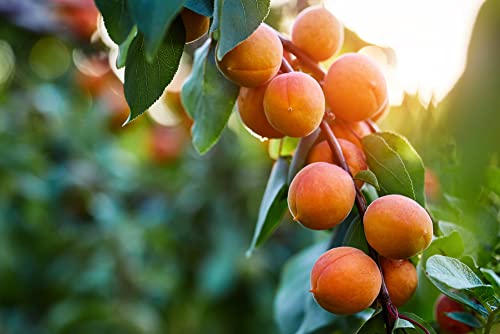
Where is the best place to plant an apricot tree
When choosing a location to plant your apricot tree, make sure it is in a sunny spot. The tree will need plenty of room to grow, so make sure the planting site is large enough. Apricot trees do best in full-sun environments, so make sure the location you choose gets plenty of sunlight.
The apricot tree is one of the easiest fruit trees to grow. With patience and good care, you’ll have access to juicy fruit in spring and summer. It starts as a little tree, and quickly branches into a lovely arching structure with sweet-smelling blooms after a few years.
Are apricot trees high maintenance?
When growing an apricot tree, it is important to be aware of its specific soil and water needs. The tree prefers well-drained, sandy loam soil with a pH of 6.0 to 7.0. It also needs full sun and consistent watering, especially during the fruit-bearing season. With proper care, your apricot tree will produce an abundance of delicious fruit for many years to come!
Apricot trees are self-fruiting, which means that you typically don’t need two of them to produce fruit. This is a boon for gardeners who have limited space. The best time to plant your apricot tree is in the fall.
Recommended Products

Package: 5 Individual Packs, 40+ Lemon Tree Seeds 40+ Cherry Tree Seeds 40+ Orange Tree Seeds 40+ Apple Seeds 20+ Blueberry Seeds

🌳 3-Pack Fruit Tree Bundle Includes live apple, blueberry, blackberry trees—perfectly paired for a diverse and productive backyard orchard.

Variety Pack of 5 Fruits: Includes 40 Lemon seeds, 40 Orange seeds, 40 Apple seeds, 20 Cherry seeds, and 20 Blueberry seeds for a colorful and diverse home garden
Can you keep an apricot tree small?
A semi-dwarf fruit tree is a great option for those looking to have a smaller tree. These trees will only get to be 15-20 feet tall, while a standard size fruit tree may grow over 30 feet high. Pruning is the only way to keep a semi-dwarf fruit tree small.
An apricot tree can live a long time, often 40 to 150 years! They are a perennial, which means they keep coming back year after year. So if you have the chance to plant one, do it! You’ll be able to enjoy the fresh fruit for many years to come.
Recommended Products

Extra-Sweet & Crisp Apples – Produces large, red-blushed apples with an exceptionally juicy texture and honeyed sweetness, perfect for fresh eating, baking, and cider-making

BEGINNER-FRIENDLY & EASY TO GROW – Perfect for first-time bonsai growers, simple planting and care instructions
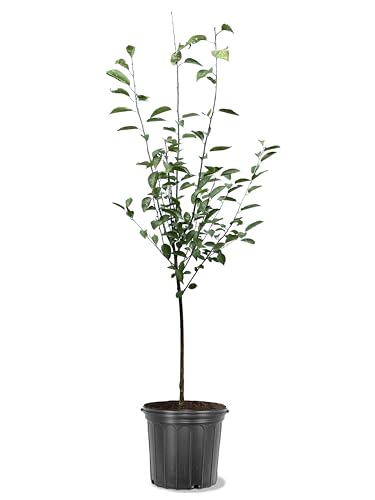
Cherry Tree 'Stella' Semi-Dwarf – Produces large, deep red cherries with a sweet, rich flavor and firm texture, perfect for fresh eating, baking, and preserves.
Do apricot trees have deep roots
When planting an apricot tree, it is important to choose a spot with wide, shallow holes and high ground that is less susceptible to water damage and frost. This will help the tree to establish a strong, healthy root system.
Some apricots are also alternate-bearing – meaning, like avocados, they don’t produce fruit every single year. Sometimes they put out every other year, and sometimes every third year. And then, there is the rain equation. Apricots bloom early in February and March – the height of our rainy season in normal years. This can lead to lots of problems, like flowers getting knocked off the tree by the rain or the tree itself being too wet and stressed to produce fruit.
How deep do apricot tree roots go?
The apricot root system is located mainly in the top 0.75 m of soil depth, with 91% of roots in the top 0.50 m. More than 75% of the roots are thin roots, with a diameter less than 0.2 mm.
California is responsible for nearly three-quarters of all apricots grown in the United States. The vast majority of the rest come from Washington, with very small amounts coming from Utah. In 2021, 41,740 tons of apricots were produced in the US, valued at $37 million.
How long does it take for an apricot tree to produce fruit
An apricot tree can live up to 35 or 40 years and can bear fruit for 20 to 25 of those years. Trees usually begin bearing fruit when they are three or four years old.
Assuming you want a tips for pruning apricot trees:
Pruning apricot trees is actually pretty simple and can be done with just a few tools. You’ll need a sharp pair of pruning shears and a saw for the larger branches.
Start by removing any dead or diseased wood. This is important because deadwood can harbour insects that spread disease. Once you’ve removed all the deadwood, you can start pruning back the branches.
Start with the longest branches and work your way down. Cut each branch back by about a third. This will help encourage new growth and keep the tree healthy.
After you’ve finished pruning, take a step back and have a look at the tree. It should have a nice, even shape. If there are any branches that are significantly longer or shorter than the others, you can trim those back as well.
This may seem like a lot of work, but it’s important to keep your apricot tree healthy and productive. With a little bit of care, it will provide you with delicious fruit for many years to come!
Do apricot trees need a companion?
Apricot trees are a great, unique addition to your garden! They cannot self-pollinate, so you will need to plant at least two trees close together in order for them to cross-pollinate and produce fruit. Apricot trees are hardier than peach or plum trees, and can tolerate colder temperatures. They prefer a moderate climate that doesn’t get too hot or too cold (zones 4-10).
When deciduous fruit trees such as peach, plum, apricot and apple lose their leaves in the winter, they become dormant. At this time of year, they can be easily planted due to this dormancy. Not only are these trees perfect additions for the season, but now is the best time to prune and care for them.
What kind of apricot tree is best
The Blenheim apricot is considered to be the most flavorful and best tasting apricot in production. The fruit is medium to large, yellow with an orange cheek, and has firm, juicy, pale orange flesh with a delicious flavor.
Apricots are a type of fruit that blooms in February and early March. They usually grow in climates with dry spring weather and are susceptible to late spring frosts. Apricots perform best in North Coast counties where the weather is more consistent.
What month do you harvest apricots
The harvest season for apricots begins in June and continues through August, depending on the variety and location. The annual average yield per tree is 1-2 pecks.
Your tree would love a sunny place with well-drained, fertile soil. But it will be quite satisfied with six to eight hours of sunlight. Good drainage is required to keep your trees “happy”. If your soil has high clay content, use our Coco-Fiber Potting Medium or add one-third peat to the soil at planting time.
Why does my apricot tree flower but not fruit
The lack of fruit production on your apricot tree could have several different causes. It could be due to flower or young fruit damage from the weather. This could be due to reduced pollination, also potentially affected by the weather. It could be due to tree damage caused by a pest or pests. Or it could be a nutrition issue for the tree. If you are not sure what is causing the problem, you should consult with a professional. They will be able to help you determine the cause and come up with a plan to solve the problem.
Assuming you’re talking about trees in your yard:
It’s important to make sure your tree is getting enough water, especially during the hotter months. How often you need to water will depend on the type of tree, the size, and the conditions of your yard. generally, you’ll want to make sure the ground is soaked around the roots every 10 days or two weeks. However, it’s possible to water too much, which can actually be worse for the tree. Waterlogged, drowning roots can lead to all sorts of problems, so be careful not to overdo it.
Are there dwarf apricot trees
This dwarf apricot tree is perfect for small spaces! It has a spreading shape with lush green foliage and only grows to 8-10 feet tall. Plus, it’s self-fertile so you don’t need another tree to pollinate it. This tree produces delicious, sweet apricots that are perfect for fresh eating, baking, or canning.
Apricots are best grown in deep, fertile, moisture-retentive but well-drained soil, ideally slightly alkaline. They will struggle in poor, shallow soil. On light, sandy soil, incorporate organic matter such as garden compost or well-rotted manure into the planting area to improve moisture retention.
Final Words
Apricot trees typically grow to be about 20 feet tall.
After doing some research, it appears that apricot trees are typically about 15-20 feet tall. However, there are some exceptions with some trees reaching up to 30 feet tall. Overall, apricot trees are relatively tall compared to other fruit trees.
