

Planting pear trees in Tennessee requires specific techniques to thrive in the state’s unique climate. Understanding soil conditions, choosing the right varieties, and implementing proper care practices are essential for successful growth and fruit production.
Tennessee Pear Tree Variety Selection Guide
Choosing the right pear tree varieties is crucial for successful planting in Tennessee. The state’s climate varies, and certain types perform better than others. Popular varieties include Bartlett, Bosc, and Kieffer, each offering unique flavors and textures. Consider factors such as disease resistance, fruit quality, and chilling hours when selecting your trees.
| Variety | Flavor Profile | Chill Hours | Disease Resistance |
|---|---|---|---|
| Bartlett | Sweet | 600-1,000 | Moderate |
| Bosc | Spicy | 700-1,000 | High |
| Kieffer | Mild | 700-1,000 | Moderate |
Soil Preparation Techniques for Pear Trees
Proper soil preparation is vital for healthy pear tree growth. Tennessee’s soil can vary greatly, so testing pH and nutrient levels is essential. Aim for a pH between 6.0 and 7.0, and amend the soil with organic matter to improve drainage and fertility.
Test soil pH and nutrient levels
Incorporate compost or well-rotted manure
Ensure good drainage to prevent root rot
Recommended Products

Kindly NOTE: This soil tester can not be applied to test pH value of any other liquid. If the soil is too dry the indicator will not move, and water it before testing.
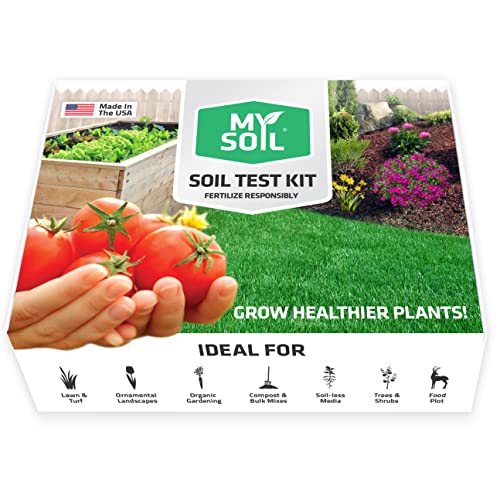
KNOW BEFORE YOU GROW | Grow the healthiest, sustainable lawn and garden with the most accurate and easy to use professional soil test kit on the market

How to Accurately Test Garden's Soil pH? Many growers do not able to use the correct tools and methods to obtain accurate soil ph values; NewTest soil ph test kit includes upgraded soil ph test strips, measuring cylinders, and instructions for professional testing methods; it allows even beginners to easily and accurately obtain soil ph values
Tennessee Pear Tree Planting Strategies
When planting pear trees in Tennessee, understanding the unique climate and soil conditions is crucial for success. This section outlines effective strategies tailored to the Volunteer State, ensuring that your pear trees thrive and produce abundant fruit. From selecting the right variety to optimal planting techniques, these insights will help you cultivate a flourishing pear orchard.
Planting techniques directly influence the health of your pear trees. Follow these steps to ensure successful establishment:
Choose a sunny location with well-drained soil.
Dig a hole twice the width of the root ball and the same depth.
Place the tree in the center, ensuring the graft union is above soil level.
Backfill with soil and water thoroughly to eliminate air pockets.
Apply mulch around the base to retain moisture and suppress weeds.
Watering Guidelines for Tennessee Pear Trees
Proper watering is crucial for the health and productivity of pear trees in Tennessee. Understanding the unique climate and soil conditions of the Volunteer State can help ensure these trees thrive. This section outlines essential watering guidelines tailored specifically for successful pear tree cultivation in Tennessee.
Watering and fertilizing are critical for the growth of pear trees. Young trees require consistent moisture, especially during dry spells. Use the following guidelines:
Water deeply once a week during dry periods
Apply a balanced fertilizer in early spring
Follow up with additional applications in late spring and early summer
Pest Control Techniques for Pear Trees
Maintaining healthy pear trees in Tennessee requires effective pest control techniques tailored to the region’s unique climate and ecosystem. Understanding the common pests that affect pear trees and implementing proactive measures can significantly enhance fruit quality and yield. This section explores various strategies to protect your trees from harmful insects and diseases.
Pest and disease management is essential for maintaining healthy pear trees. Common threats include pear scab, fire blight, and various insects. Implement these strategies to protect your trees:
Inspect trees regularly for signs of disease or pests
Use organic fungicides and insecticides as needed
Prune infected branches promptly to prevent spread
Optimal Pear Harvesting and Storage Techniques
Harvesting and storing pears effectively is crucial for maximizing their flavor and longevity, especially in Tennessee’s unique climate. Understanding the right timing for harvest and the best storage practices can enhance the quality of your pears, ensuring they remain delicious and fresh. This section delves into the optimal techniques for both harvesting and storing pears in the Volunteer State.
Knowing when and how to harvest pears ensures optimal flavor and storage life. Pears ripen best off the tree, so pick them when they are mature but still firm. Follow these steps for harvesting and storing:
Check for maturity by gently twisting the fruit. If it comes off easily, it’s ready.
Store pears in a cool, dark place for ripening.
Refrigerate ripe pears to extend shelf life.
Common Mistakes to Avoid
When planting pear trees in Tennessee, it’s essential to be aware of common pitfalls that can hinder growth and fruit production. Understanding these mistakes can help ensure a thriving orchard, allowing you to enjoy the sweet rewards of your labor. This section highlights key errors to avoid for successful pear tree cultivation in the Volunteer State.
Avoiding common pitfalls can enhance your success with pear trees. Here are mistakes to watch for:
Overwatering can lead to root rot
Neglecting pruning can cause overcrowding
Ignoring pest management can lead to infestations
Tennessee Pear Tree Care Strategies
Caring for pear trees in Tennessee requires an understanding of the local climate and soil conditions. This section offers essential strategies tailored to the unique challenges and advantages of growing pear trees in the Volunteer State, ensuring healthy growth and fruitful harvests. From soil preparation to pest management, these tips will help you cultivate thriving pear trees.
Successful cultivation of pear trees in Tennessee hinges on understanding local conditions and proper care. Regular monitoring, timely interventions, and appropriate variety selection will lead to a fruitful harvest.
Always consult local extension services for tailored advice
Join local gardening groups for support and knowledge sharing
Keep a gardening journal to track growth and care practices
By following these guidelines, you can cultivate thriving pear trees that produce delicious fruit for years to come.
