

Cherry trees can thrive in Cincinnati, OH, given the right conditions and care. The climate, soil type, and proper maintenance practices are crucial for successful growth.
Cincinnati Cherry Tree Varieties for Local Growth
Cincinnati’s climate and soil conditions make it a suitable environment for various cherry tree varieties. Understanding which types thrive in the region can help gardeners select the best options for their landscapes. This section explores the most suitable cherry tree varieties for local growth in Cincinnati, ensuring a fruitful and vibrant garden.
Cincinnati’s climate supports several cherry tree varieties, including ornamental and fruit-bearing types. The Yoshino Cherry and Kwanzan Cherry are popular ornamental choices, known for their stunning spring blooms.
For those interested in fruit, the Bing Cherry and Lapins Cherry are excellent options. Each variety has unique requirements for sunlight, soil, and water.
| Cherry Tree Variety | Type | Sunlight Requirement | Soil Preference |
|---|---|---|---|
| Yoshino | Ornamental | Full sun | Well-drained loamy |
| Kwanzan | Ornamental | Full sun | Well-drained loamy |
| Bing | Fruit-bearing | Full sun | Well-drained sandy |
| Lapins | Fruit-bearing | Full sun | Well-drained sandy |
Soil Requirements for Cherry Tree Health
Understanding the soil requirements is crucial for the successful growth of cherry trees in Cincinnati, OH. The right soil composition not only supports healthy root development but also enhances overall tree vitality. This section delves into the specific soil conditions that can help cherry trees thrive in the region’s unique climate and geography.
Proper soil preparation is essential for healthy cherry tree growth. Cherry trees prefer well-drained soil rich in organic matter.
Conduct a soil test to determine pH levels and nutrient content. Aim for a pH between 6.0 and 7.0. Amend the soil with compost or well-rotted manure to enhance fertility.
Soil Testing for Cherry Tree Growth
Understanding the soil conditions in Cincinnati is crucial for successful cherry tree cultivation. Soil testing provides valuable insights into pH levels, nutrient content, and drainage capabilities, ensuring that the growing environment meets the specific needs of cherry trees. This section will explore the importance of soil testing and how it can influence the health and productivity of your cherry trees.
Test soil for pH and nutrients.
Amend soil with compost or manure.
Ensure drainage by mixing in sand if necessary.
Till soil to a depth of 12 inches.
Cherry Tree Planting Timing and Depth
When considering cherry tree cultivation in Cincinnati, understanding the optimal planting timing and depth is crucial for success. The region’s climate and soil conditions play significant roles in determining when to plant and how deep to position the roots. Proper timing and depth can enhance growth and ensure vibrant blooms in the spring.
Planting cherry trees at the right time and depth is crucial for their establishment. Early spring or fall is ideal for planting.
Choose a location that receives at least six hours of sunlight daily. Dig a hole that is twice as wide as the root ball but no deeper than the root system.
Recommended Products

Grow one of Washington D.C.'s iconic cherry trees from seed!
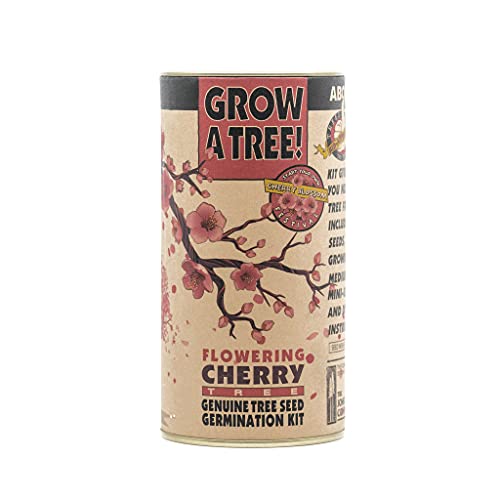
Grow your own tree from seed!

🌸 Grow Beautiful Cherry Blossom Bonsai Trees Create stunning miniature sakura trees with delicate pink blossoms that bring elegant Japanese-inspired beauty to your home, patio, or garden.
Cherry Tree Planting Site Selection
Selecting the right planting site is crucial for the successful growth of cherry trees in Cincinnati, OH. Factors such as sunlight, soil quality, and drainage play a significant role in ensuring these trees thrive in the region’s climate. Understanding these elements will help you create an ideal environment for your cherry trees to flourish.
Select a site with full sun exposure.
Dig a hole twice the width of the root ball.
Place the tree in the hole, ensuring the root flare is level with the soil.
Backfill with soil and water thoroughly.
Cherry Tree Watering and Fertilization Tips
Proper watering and fertilization are crucial for the health of cherry trees, especially in Cincinnati’s unique climate. Understanding the specific needs of these trees can enhance their growth and fruit production. This section provides essential tips to ensure your cherry trees thrive in the River Valley environment.
Cherry trees require consistent moisture, especially during their first few years. Water deeply once a week during dry spells.
Use a balanced fertilizer in early spring to promote growth. Avoid over-fertilizing, as this can lead to excessive foliage and fewer blooms.
Recommended Products

Supports Strong Growth & Better Fruit Development - Helps promote vigorous growth, healthy foliage, and improved cherry production.

Supports Strong Growth & Better Fruit Development - Helps promote vigorous growth, healthy foliage, and improved cherry production.
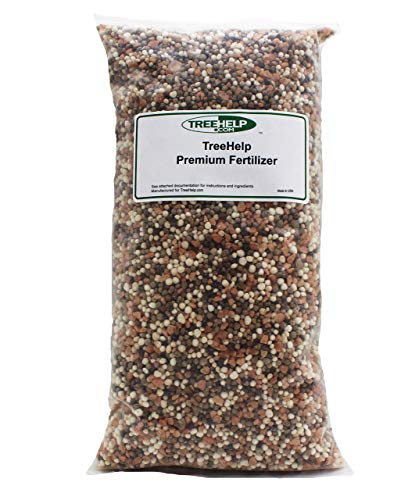
Approximately 3 Pounds
Cherry Tree Care: Watering and Fertilization Guide
Proper care is essential for cherry trees to thrive in Cincinnati’s climate. This section provides a comprehensive guide on effective watering and fertilization techniques tailored to the region, ensuring your cherry trees receive the nutrients they need for healthy growth and abundant fruit production. Understanding these practices will help you cultivate vibrant and productive trees in your garden.
| Time of Year | Action | Frequency |
|---|---|---|
| Spring | Apply balanced fertilizer | Once in early spring |
| Summer | Water deeply | Once a week |
| Fall | Reduce watering | As needed |
Cherry Tree Pest and Disease Control
Maintaining the health of cherry trees in Cincinnati requires vigilance against various pests and diseases that can threaten their growth and fruit production. Understanding the specific challenges faced in this region will help ensure that these beautiful trees thrive. This section explores effective strategies for pest and disease control tailored to the local environment.
Cherry trees can be susceptible to pests and diseases, including aphids, cherry fruit fly, and bacterial canker. Regular inspections can help catch issues early.
Use organic pesticides or insecticidal soaps when necessary. Prune trees to improve air circulation and reduce disease risk.
Recommended Products
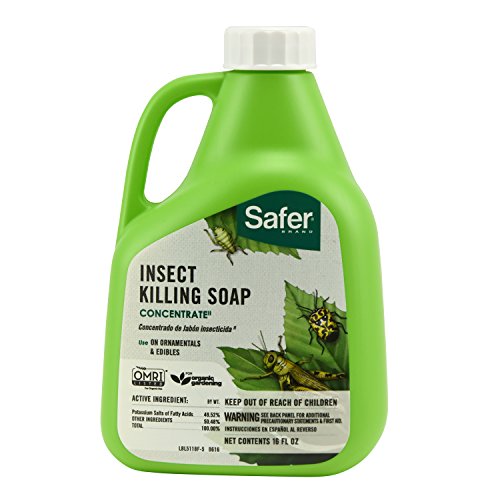
GENTLE ON MOST PLANTS - This aphid spray is ideal for use on flowers, herbs, vegetables, houseplants, lawn, tree, shrubs, and more
Protect Plants from Insects - Kills a variety of soft-bodied insect pests, including aphids, mealybugs, whiteflies, leafhopper, spider mites, and more
Pests and Diseases Affecting Cherry Trees
Cherry trees, while beautiful and rewarding to grow, can face various pests and diseases that threaten their health and productivity. In Cincinnati, OH, understanding these potential issues is crucial for successful cultivation. This section delves into the common pests and diseases that affect cherry trees in the region, providing insights on prevention and management strategies.
| Pest/Disease | Symptoms | Treatment |
|---|---|---|
| Aphids | Curling leaves | Insecticidal soap |
| Cherry fruit fly | Damaged fruit | Organic pesticides |
| Bacterial canker | Dark lesions on bark | Prune affected areas |
Winter Protection Strategies for Cherry Trees
Winter can be particularly harsh for cherry trees in Cincinnati, making proper protection essential for their survival and health. Understanding effective strategies to shield these delicate trees from cold temperatures and harsh winds will help ensure they thrive through the winter months. Here are several methods to safeguard your cherry trees during the colder season.
Seasonal care is vital for the health of cherry trees. In winter, protect young trees from extreme cold by wrapping the trunk.
In spring, remove any dead or diseased branches. Summer care includes regular watering and monitoring for pests. Fall is the time for final pruning and mulching to retain soil moisture.
Winter Protection for Young Cherry Trees
Protecting young cherry trees during the harsh Cincinnati winters is crucial for their survival and growth. With temperatures often dropping below freezing, implementing effective winter care strategies can help ensure these trees thrive in the spring. This section explores essential methods to safeguard young cherry trees from cold weather challenges.
Winter: Wrap young trees for protection.
Spring: Prune dead branches.
Summer: Water regularly and check for pests.
Fall: Mulch to retain moisture.
Cincinnati Cherry Tree Care Tips
Caring for cherry trees in Cincinnati requires attention to the local climate and soil conditions. With the right practices, these beautiful trees can thrive in the region’s unique environment. This section provides essential tips for maintaining healthy cherry trees, ensuring they flourish in your garden.
Cherry trees can flourish in Cincinnati with the right care and attention. Monitor growth and adjust care practices as needed. Regular maintenance will ensure vibrant blooms and healthy fruit production.
