

Growing cherry trees in Fresno, CA requires careful attention to climate and soil conditions to ensure a fruitful harvest. By selecting the right varieties and implementing effective care strategies, gardeners can enjoy a bountiful yield in the Central Valley.
Best Cherry Varieties for Fresno Climate
When selecting cherry tree varieties for the unique climate of Fresno, it’s essential to consider factors such as heat tolerance and chill hours. The right choices can lead to a bountiful harvest, ensuring that your cherry trees thrive in the Central Valley’s warm conditions. Here are some of the best cherry varieties suited for this region.
Choosing the right cherry tree varieties is crucial for successful growth in Fresno’s climate. The region’s warm summers and mild winters favor specific types of cherries. Consider these popular varieties:
Bing: Sweet and juicy, ideal for fresh eating.
Rainier: Yellow-red skin with a sweet flavor, excellent for desserts.
Lapins: Self-pollinating and resistant to cracking, suitable for local conditions.
Understanding the traits of each variety will help you make an informed decision.
Site Preparation for Healthy Cherry Trees
Preparing the right site is crucial for cultivating healthy cherry trees in Fresno’s unique climate. This section outlines essential steps to ensure optimal soil conditions, sunlight exposure, and proper drainage, setting the foundation for a fruitful harvest in the Central Valley. Understanding these factors will help you create an ideal environment for your cherry trees to thrive.
Proper site preparation sets the foundation for healthy cherry trees. The chosen location should have well-draining soil and receive full sunlight for at least six hours daily. Follow these steps for optimal site preparation:
Test Soil pH: Aim for a pH between 6.0 and 7.0.
Amend Soil: Incorporate compost or well-rotted manure to enhance fertility.
Clear Debris: Remove weeds and rocks to prevent competition for nutrients.
Taking these steps ensures your cherry trees have the best environment for growth.
Cherry Tree Watering Strategies for Summer
Effective watering strategies are crucial for cherry trees in Fresno, especially during the hot summer months. With the Central Valley’s arid climate, understanding how to maintain optimal soil moisture can significantly impact tree health and fruit production. This section explores practical approaches to ensure your cherry trees thrive despite the heat.
Watering is vital to the health of cherry trees, especially during the hot summer months. Establish a consistent watering schedule to promote deep root growth. Here are key watering tips:
Frequency: Water deeply once a week during dry spells.
Method: Use a soaker hose or drip irrigation to minimize evaporation.
Signs of Stress: Yellowing leaves or wilting indicate the need for more water.
Proper watering practices can significantly impact fruit production.
Recommended Products

【Even & Consistent Root Watering】Features micro-pore seepage technology that distributes water evenly along the entire hose, transforming spot watering into uniform line watering directly to plant roots. Unlike traditional drip irrigation systems with clog-prone emitters, this soaker hose creates a continuous moisture band for healthier, deeper-rooted plants
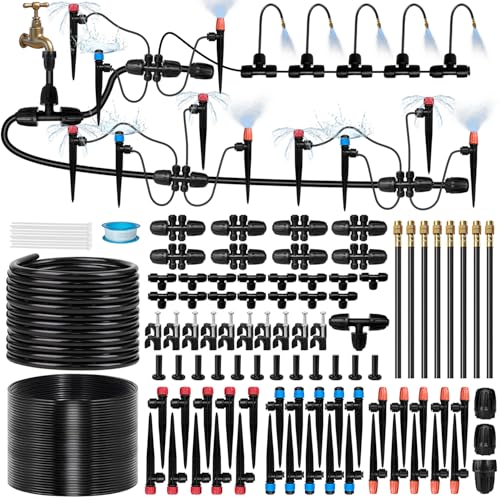
【Upgraded Tube Design & Water Saving】 Our garden watering system is upgraded to 1/2” diameter to support high water pressure. The 1/2” tee connector allows seamless splitting into 2 independent zones for customized watering schedules. By delivering moisture directly to root zones, this drip Irrigation system significantly reduces evaporation and runoff—saving more water compared to conventional sprinklers while eliminating the need for manual watering.

💧 Complete All-in-One Irrigation Kit – Everything You Need in One Box : Includes 40 ft of 1/2” main tubing, 200 ft of 1/4” distribution tubing, 30 precision sprayers (stream drippers, vortex emitters & mist nozzles), plus all connectors and fittings. Easily covers up to 250 sq. ft. in a single line or two 120 sq. ft. zones—perfect for gardens, raised beds, and greenhouses.
Cherry Tree Fertilization for Healthy Growth
Fertilizing cherry trees is essential for ensuring robust growth and a bountiful harvest, especially in the unique climate of Fresno, CA. Understanding the specific nutritional needs of these trees can significantly enhance their health and fruit production. This section delves into effective fertilization strategies tailored for the Central Valley’s conditions.
Fertilizing your cherry trees appropriately will enhance growth and fruiting. The right nutrients promote healthy foliage and robust fruit development. Follow this fertilization guide:
Timing: Apply fertilizer in early spring before new growth begins.
Type: Use a balanced fertilizer with equal parts nitrogen, phosphorus, and potassium.
Application: Spread evenly around the base, avoiding direct contact with the trunk.
Regular fertilization will support vigorous growth and fruit yield.
Recommended Products

Supports Strong Growth & Better Fruit Development - Helps promote vigorous growth, healthy foliage, and improved cherry production.

Supports Strong Growth & Better Fruit Development - Helps promote vigorous growth, healthy foliage, and improved cherry production.
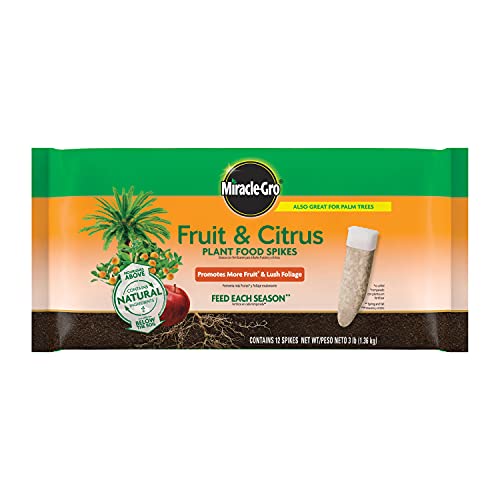
FORMULATED FOR CITRUS AND FRUIT TREES: Use these citrus fertilizer spikes on apple, orange, lemon, lime, and avocado trees; this formula is also great for feeding palm trees
Cherry Tree Pest and Disease Management
Managing pests and diseases is crucial for successful cherry tree cultivation in Fresno, CA. The Central Valley’s unique climate and conditions can foster various threats to cherry trees, making it essential for growers to be proactive. Understanding common issues and effective management strategies will help ensure a healthy and productive harvest.
Pests and diseases can threaten the health of your cherry trees. Regular monitoring and proactive management are essential. Common issues include:
Aphids: Small insects that can weaken trees.
Brown Rot: A fungal disease affecting blossoms and fruit.
Cherry Fruit Fly: Larvae can damage fruit, leading to rot.
Implement integrated pest management strategies, such as:
Natural Predators: Encourage beneficial insects like ladybugs.
Organic Sprays: Use neem oil or insecticidal soap for control.
Sanitation: Remove fallen fruit and debris to reduce disease risk.
Taking these measures can protect your cherry trees from significant damage.
Recommended Products
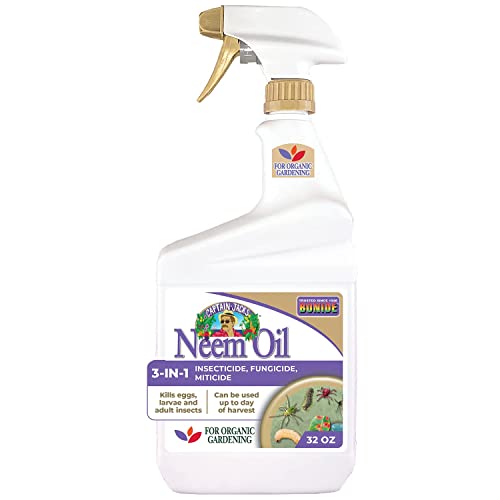
Protect your oasis with 3 garden products in 1 from Captain Jack’s; Bonide Captain Jack’s Ready-to-Use Neem Oil spray for plants is a multi-purpose fungicide, insecticide and miticide for your lawn & garden

FUNGAL DISEASE CONTROL: Prevents and controls black spot on roses, powdery mildew, rust, downy mildew, and other listed fungal diseases when applied on a 7–14 day schedule
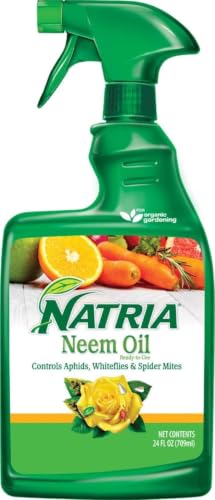
PLANT DISEASE CONTROL: Natria Neem Oil acts as an insecticide and fungicide in one convenient spray; Ready-to-use trigger sprayer requires no mixing
Cherry Harvest Timing and Quality Tips
Understanding the optimal timing for harvesting cherries in Fresno is crucial for ensuring the best quality fruit. Factors such as local climate, tree variety, and ripeness indicators play significant roles in determining when to pick. This section provides essential tips to help you achieve a successful cherry harvest in the Central Valley.
Harvesting cherries at the right time is essential for flavor and quality. Monitor the fruit for ripeness, which typically occurs in late spring to early summer. Follow these harvesting tips:
Color Check: Look for a deep, uniform color.
Taste Test: Sample a few cherries to assess sweetness.
Gentle Picking: Twist the stem gently to avoid damaging the fruit.
Proper harvesting techniques will ensure you enjoy the best possible flavor from your crop.
Cherry Tree Care Frequency Guide
Caring for cherry trees in Fresno requires a clear understanding of their specific needs throughout the growing season. This guide outlines the recommended frequency for essential care tasks, ensuring your trees thrive in the Central Valley’s unique climate. By following these guidelines, you can optimize growth and enhance fruit production for a successful harvest.
| Task | Frequency | Notes |
|---|---|---|
| Soil Testing | Every 2 years | Adjust pH as needed |
| Watering | Weekly | Deep watering preferred |
| Fertilizing | Spring | Balanced fertilizer recommended |
| Pest Monitoring | Weekly | Look for signs of infestation |
Implementing these strategies will lead to a successful cherry tree harvest in Fresno’s unique climate.
