

Cherry trees can grow in Albuquerque, NM, but specific conditions must be met for successful cultivation. The climate and soil conditions in the High Plains present unique challenges that require careful planning and selection of suitable cherry tree varieties.
Albuquerque Climate Effects on Cherry Trees
Albuquerque experiences a high desert climate characterized by hot summers and cold winters. This climate can be both beneficial and detrimental to cherry trees. The warm days in spring are ideal for blooming, but late frosts can damage blossoms. Additionally, the low humidity levels can stress the trees if not managed properly.
Best Cherry Tree Varieties for Albuquerque Climate
Albuquerque’s unique climate presents both challenges and opportunities for cherry tree cultivation. Selecting the right varieties is crucial for successful growth and fruit production in this region. This section highlights the best cherry tree options suited to Albuquerque’s high plains environment, ensuring gardeners can thrive in their efforts.
Selecting the right cherry tree variety is crucial for success in Albuquerque’s climate. Some varieties are more tolerant of heat and drought. Here are a few recommended options:
Montmorency: Tart cherries that thrive in warmer climates.
Bing: Sweet cherries that require careful frost management.
Lapins: Self-pollinating and resistant to some diseases.
| Cherry Variety | Type | Frost Sensitivity | Self-Pollinating |
|---|---|---|---|
| Montmorency | Tart | Moderate | No |
| Bing | Sweet | High | No |
| Lapins | Sweet | Moderate | Yes |
Soil Requirements for Cherry Trees in Albuquerque
Proper soil preparation is essential for cherry tree health. Albuquerque’s soil can be sandy or clay-heavy, affecting drainage and nutrient availability. Testing soil pH and nutrient levels is a good first step. Cherry trees prefer slightly acidic to neutral soil (pH 6.0 to 7.0).
Soil Testing for Cherry Tree Growth
Understanding the soil composition is crucial for successfully growing cherry trees in Albuquerque, NM. Soil testing helps identify nutrient levels, pH balance, and drainage capabilities, all of which are essential for ensuring optimal growth conditions. This section will explore the importance of soil testing and how it can inform your cherry tree cultivation efforts in the High Plains region.
Test Soil: Use a soil test kit to determine pH and nutrient levels.
Amend Soil: Incorporate organic matter such as compost to improve soil structure.
Ensure Drainage: If soil is heavy clay, consider raised beds or mounding to enhance drainage.
Irrigation Techniques for Cherry Trees
Proper irrigation is crucial for the successful growth of cherry trees in Albuquerque’s arid climate. Given the region’s limited rainfall and high evaporation rates, understanding effective irrigation techniques can help ensure that these trees receive the moisture they need to thrive. This section explores various methods tailored to the unique conditions of the High Plains.
Watering is critical, especially during the first few years of growth. Cherry trees need consistent moisture but cannot tolerate waterlogged conditions. Drip irrigation is often the best method for delivering water directly to the roots.
Recommended Products
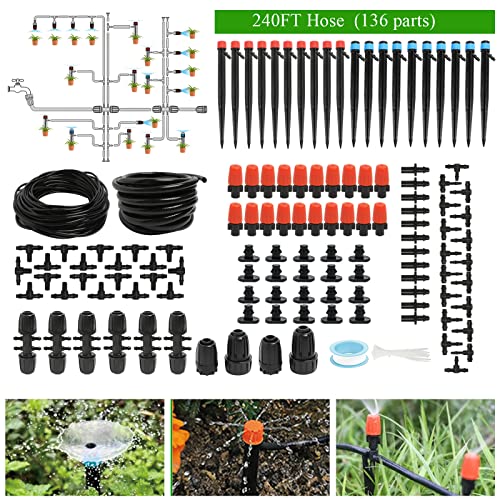
240FT Drip Irrigation Kit: The irrigation kits include 40FT main tubing (1/2"),200FT distribution tubing (1/4"), it comes with totally 136 parts and we offer enough accessories for you to build up 2 sets small drip irrigation systems or 1 set longer irrigation system.

NO MORE HARD INSTALLATION - SET UP IN MINUTES. Tired of struggling with stiff barbed fittings? This drip irrigation system features quick-connect fittings that let you push, lock, and secure tubing effortlessly. No tools, no leaks, just a smooth setup experience. Enjoy a frustration-free installation and get your garden watering system running in minutes.

SAVE TIME AND EFFORT: This plant watering kit has everything you need to get started with drip irrigation and precisely water up to ten individual plants. Use the kit to build, expand, or repair a drip irrigation system
Cherry Tree Irrigation Strategies
Irrigating cherry trees in Albuquerque’s unique climate requires careful planning and execution. Given the region’s arid conditions and varying temperatures, employing effective irrigation strategies is essential for promoting healthy growth and fruit production. Understanding the best practices for watering can significantly impact the success of cherry tree cultivation in this area.
Frequency: Water deeply once a week during dry spells.
Mulching: Apply a layer of mulch to retain moisture and regulate soil temperature.
Monitoring: Check soil moisture levels regularly to avoid overwatering.
Cherry Tree Pest and Disease Control
Cherry trees in Albuquerque face unique challenges from pests and diseases due to the region’s climate and environmental conditions. Understanding the specific threats these trees encounter is crucial for effective management and maintaining their health. This section explores common pests and diseases that affect cherry trees and offers practical control strategies for local gardeners.
Pest and disease pressures can vary in Albuquerque, but certain issues are common. Aphids, spider mites, and fungal infections can threaten cherry trees. Regular monitoring and proactive management are essential.
Pests and Diseases Affecting Cherry Trees
Cherry trees in Albuquerque face various pests and diseases that can threaten their health and productivity. Understanding these challenges is crucial for local gardeners and orchardists aiming to cultivate robust cherry trees in the unique climate of the High Plains. This section explores the common threats and offers insights into effective management strategies.
Aphids: Small insects that can weaken trees. Use insecticidal soap to manage infestations.
Brown Rot: Fungal disease affecting fruit. Ensure good air circulation and remove infected fruit.
Spider Mites: Thrive in dry conditions. Increase humidity or use miticides if necessary.
| Pest/Disease | Symptoms | Treatment |
|---|---|---|
| Aphids | Curling leaves | Insecticidal soap |
| Brown Rot | Decaying fruit | Improve air circulation |
| Spider Mites | Yellowing leaves, webbing | Increase humidity, miticides |
Cherry Harvest Techniques for Optimal Quality
Harvesting cherries in Albuquerque requires specific techniques to ensure optimal quality, given the unique climate and soil conditions of the region. Understanding the right timing, tools, and methods can significantly enhance both the yield and flavor of the fruit. This section delves into effective strategies for cherry harvesting tailored to the nuances of the High Plains environment.
Once your cherry trees begin to produce fruit, proper harvesting techniques will ensure the best quality cherries. Timing is crucial, as cherries do not ripen after being picked.
Cherry Harvest Timing and Techniques
Understanding the optimal timing and techniques for harvesting cherries is crucial for successful cultivation in Albuquerque’s unique climate. This section delves into the specific methods and seasonal considerations that can enhance yield and fruit quality, ensuring that growers can make the most of their cherry trees in the High Plains region.
Timing: Harvest when cherries are fully colored and slightly firm.
Technique: Gently twist or cut the stem to avoid damaging the fruit.
Storage: Store cherries in a cool place to maintain freshness.
Cherry trees can thrive in Albuquerque with the right care and attention. By selecting suitable varieties, preparing the soil, managing water, and addressing pest issues, you can enjoy a fruitful cherry harvest.
