

Cherry trees can thrive in Memphis, TN, provided you select the right varieties and understand local growing conditions. Proper care and attention to soil quality, sunlight, and watering will ensure successful growth in the Mid-South climate.
Best Cherry Tree Varieties for Memphis Climate
Choosing the right cherry tree variety is crucial for success in Memphis. The climate features hot summers and mild winters, which can affect tree growth. Some varieties are more resilient to heat and humidity, making them better suited for the region.
Recommended Products
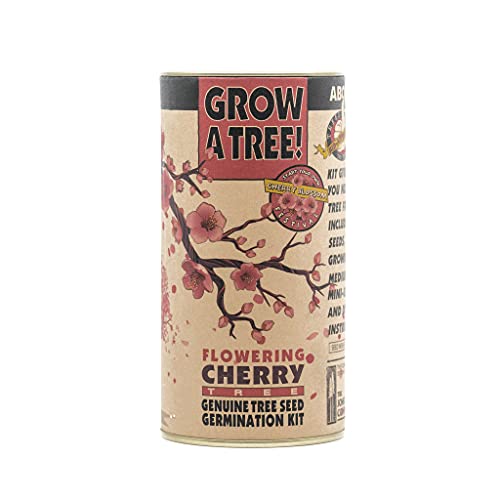
Grow your own tree from seed!

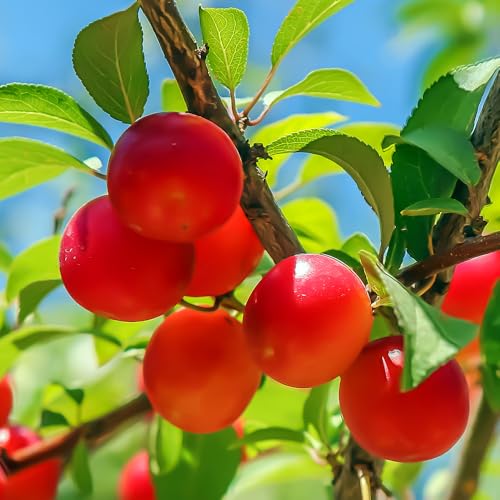
🍒 3 BLACK CHERRY TREES (PRUNUS SEROTINA): Grow a fast-growing native fruit tree known for producing dark cherries for eating and cooking, and supporting local ecosystems, wildlife, and pollinators.
Due to agricultural laws, we CANNOT SHIP TO CA, AZ, AK, or HI - orders will be cancelled if you ship to one of these states
Top Cherry Tree Varieties for Memphis
When considering cherry trees for Memphis, it’s essential to choose varieties that thrive in the region’s unique climate and soil conditions. The right selection can lead to vibrant blossoms and fruitful yields, enhancing both gardens and landscapes. Here are the top cherry tree varieties well-suited for the Mid-South environment.
Yoshino Cherry: Known for its stunning pink blossoms and adaptability to various soil types.
Kwanzan Cherry: Offers double-pink flowers and is tolerant of heat.
Sweet Cherry: Produces delicious fruit and thrives in well-drained soil.
| Cherry Variety | Bloom Time | Fruit Type | Heat Tolerance |
|---|---|---|---|
| Yoshino | Early Spring | None | Moderate |
| Kwanzan | Mid Spring | None | High |
| Sweet | Late Spring | Edible | Moderate |
Test Memphis Soil for Cherry Tree Health
Understanding the health of your soil is crucial for successfully growing cherry trees in Memphis, TN. This section will guide you through the essential steps to test your soil, ensuring it meets the specific needs of cherry trees for optimal growth and fruit production. Proper soil assessment can make all the difference in your gardening success.
Soil quality significantly impacts cherry tree health. Memphis soil can vary, so testing is beneficial. Cherry trees prefer slightly acidic to neutral soil, ideally with good drainage.
Recommended Products

Wide pH Range (3-9) – Perfect for testing acidic to alkaline soils, ideal for gardens, lawns, farms, and potted plants

Kindly NOTE: This soil tester can not be applied to test pH value of any other liquid. If the soil is too dry the indicator will not move, and water it before testing.

Quick, at home results for Soil pH, Nitrogen, Phosphorous and Potash Innovative and inexpensive soil test kit features an easy-to-use capsule system and patented color comparators
Soil pH Testing for Cherry Trees
Understanding soil pH is crucial for successfully growing cherry trees in Memphis, TN. The right pH level ensures that these trees can absorb essential nutrients, promoting healthy growth and fruit production. This section will guide you through the process of testing and adjusting soil pH to create an optimal environment for your cherry trees.
Test Soil pH: Use a home testing kit to determine acidity.
Add Organic Matter: Incorporate compost or aged manure to enhance soil structure.
Ensure Drainage: If soil retains water, consider raised beds or amending with sand.
Year-Round Cherry Tree Watering Strategies
Maintaining healthy cherry trees in Memphis requires a tailored approach to watering throughout the year. The region’s climate presents unique challenges, making it essential to understand the specific needs of cherry trees during different seasons. This section outlines effective watering strategies to ensure optimal growth and fruit production in the Mid-South environment.
Proper watering is essential for cherry tree development. In Memphis, rainfall can be inconsistent, so establishing a watering schedule is important.
Young Cherry Tree Watering Techniques
Proper watering techniques are crucial for the successful growth of young cherry trees in Memphis, TN. The region’s climate presents unique challenges, making it essential to understand how to provide adequate moisture without overwatering. This section explores effective strategies to ensure your young cherry trees thrive in the Mid-South environment.
Young Trees: Water deeply once a week during dry spells.
Established Trees: Water every two weeks unless rainfall occurs.
Mulching: Apply mulch around the base to retain moisture and regulate soil temperature.
Pest and Disease Management for Cherry Trees
Managing pests and diseases is crucial for the successful growth of cherry trees in Memphis, TN. The region’s unique climate can foster various threats that may hinder tree health and fruit production. Understanding these challenges and implementing effective management strategies will help ensure a thriving cherry orchard in the Mid-South.
Cherry trees are susceptible to various pests and diseases that can hinder growth. Monitoring for signs of trouble is crucial for maintaining tree health.
Recommended Products

COMPREHENSIVE COVERAGE: 6-pack of TERRO fruit fly traps for indoors with 270 days of lure supply provides comprehensive pest control coverage for your home's fruit fly infestations

4 PACK OF REFILLS: Use this 4-pack of liquid lure refills designed specifically for TERRO fruit fly traps, as the bait formula helps to provide continuous protection against fruit flies and gnats in your home for up to 180 days (45 days per refill)

Fast Acting & Long Lasting: Our formula is designed to bait & rid your home of fruit fly infestations fast; the powerful attractant lures fruit flies in as soon as the top is open; Lasts up to 30 days
Pest Management for Cherry Trees
Managing pests is crucial for the health and productivity of cherry trees in Memphis, TN. The region’s climate and local insect populations can pose unique challenges, making effective pest management strategies essential for successful cherry cultivation. Understanding these strategies will help ensure that your cherry trees thrive and produce abundant fruit.
Aphids: Use insecticidal soap to control populations.
Cherry Fruit Fly: Apply traps to monitor and reduce infestations.
Fungal Diseases: Implement a regular spray schedule with fungicides during wet seasons.
| Pest/Disease | Symptoms | Treatment |
|---|---|---|
| Aphids | Curling leaves | Insecticidal soap |
| Cherry Fruit Fly | Damaged fruit | Traps |
| Fungal Diseases | Leaf spots | Fungicides |
Maximize Sunlight for Cherry Tree Growth
Maximizing sunlight is crucial for the successful growth of cherry trees in Memphis, TN. This region’s climate presents unique challenges, making it essential to strategically position your trees to capture the most sunlight throughout the day. Understanding how to optimize light exposure will significantly enhance your chances of a fruitful cherry harvest.
Cherry trees require adequate sunlight for optimal growth and fruit production. In Memphis, positioning is key to ensuring trees receive enough light throughout the day.
Optimal Sunlight for Cherry Trees
Cherry trees thrive in environments that provide ample sunlight, making the right exposure crucial for their growth. In Memphis, TN, understanding the optimal sunlight conditions can significantly impact the health and productivity of these trees. This section explores the ideal sunlight requirements to ensure successful cherry tree cultivation in the Mid-South region.
Full Sun: Aim for at least 6-8 hours of direct sunlight daily.
Avoid Shady Areas: Plant away from large trees or structures that may block light.
Monitor Growth: Observe tree health and adjust location if necessary.
Plan for Seasonal Care and Maintenance
Growing cherry trees in Memphis requires careful planning for seasonal care and maintenance to ensure their health and productivity. Understanding the local climate and potential challenges is essential for successful cultivation. This section will outline key strategies and practices to help you nurture your cherry trees throughout the year.
Seasonal care is vital for the long-term success of cherry trees in Memphis. Regular maintenance tasks will promote healthy growth and fruit production.
Spring Care for Memphis Cherry Trees
Spring is a crucial time for cherry trees in Memphis, as proper care during this season can significantly impact their health and productivity. Understanding the specific needs of these trees in the Mid-South climate will help ensure they thrive and produce beautiful blossoms. This section outlines essential spring care practices for cherry trees in the Memphis area.
Spring: Fertilize with a balanced fertilizer and prune dead branches.
Summer: Monitor for pests and ensure consistent watering.
Fall: Rake leaves to prevent fungal diseases and prepare for winter.
| Season | Task | Frequency |
|---|---|---|
| Spring | Fertilize | Annually |
| Summer | Watering | Weekly |
| Fall | Rake Leaves | As needed |
Cherry Tree Care Strategies for Memphis
Cherry trees can thrive in Memphis, but their success depends on specific care strategies tailored to the region’s climate and soil conditions. Understanding the unique challenges and opportunities presented by the Mid-South environment is essential for nurturing these beautiful trees. This section explores effective care techniques to ensure healthy growth and vibrant blossoms in Memphis.
Cherry trees can flourish in Memphis with the right care and attention. Focus on selecting appropriate varieties, managing soil conditions, and protecting against pests for the best results.
