

Cherry trees can grow in Wyoming, but specific high-altitude conditions must be met for successful cultivation. Selecting the right varieties and implementing proper care techniques are essential for thriving trees in this challenging environment.
Recommended Cherry Tree Varieties for Wyoming
When considering cherry trees for Wyoming’s unique climate, it’s essential to choose varieties that can thrive in high altitudes and withstand temperature fluctuations. The right selection can lead to successful growth and fruitful harvests, making it important to explore options that are specifically suited to the region’s conditions. Here are some recommended varieties to consider for your Wyoming garden.
Choosing the right cherry tree varieties is crucial for success in Wyoming’s high-altitude climate. Some varieties are more resilient to cold temperatures and shorter growing seasons. The following varieties are recommended for Wyoming:
Montmorency: Tart cherries that are hardy and produce well in colder climates.
Bing: Sweet cherries that require a bit more warmth but can thrive with proper care.
Lapins: Self-pollinating sweet cherries that can handle colder temperatures.
| Cherry Variety | Hardiness Zone | Pollination Type |
|---|---|---|
| Montmorency | 4-7 | Self-pollinating |
| Bing | 5-8 | Requires another variety |
| Lapins | 5-8 | Self-pollinating |
Recommended Products

More than 50 years of research has gone into developing cherry trees with cold hardiness, dwarf stature and good fruit quality.

Each offer includes one plant grown in a 4 inch pot
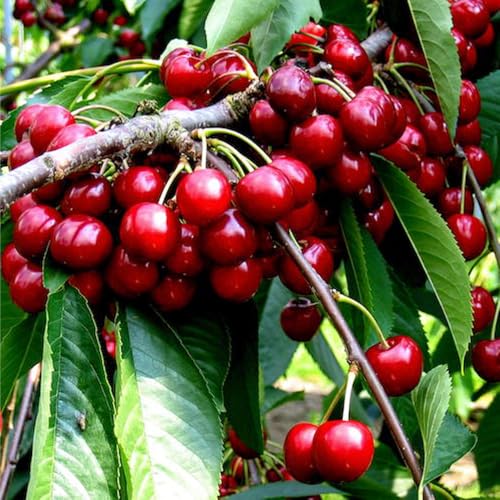
Product Quantity: 10+ organic cherry seeds per packet; Premium selection for optimal viability; Perfect for starting multiple trees
Cherry Tree Growth in Wyoming’s Climate
Cherry trees can thrive in Wyoming’s unique climate, but their success largely depends on understanding the specific challenges posed by high altitudes and temperature fluctuations. This section explores the essential factors influencing cherry tree growth in the state, offering insights into suitable varieties and cultivation techniques that can help gardeners maximize their yields.
Wyoming’s climate poses unique challenges for cherry tree growth. The high altitude results in cooler temperatures and shorter growing seasons. Understanding these factors is essential for successful cultivation.
Temperature Fluctuations: Rapid temperature changes can stress trees.
Frost Risks: Late frosts can damage blossoms.
Soil Conditions: Well-drained soil is essential for root health.
Temperature Control Strategies for Cherry Trees
Successfully growing cherry trees in Wyoming’s high-altitude climate requires careful temperature management. Understanding how to protect these delicate plants from extreme temperature fluctuations is crucial for their survival and productivity. This section explores effective strategies to help cherry trees thrive despite the challenges posed by the region’s unique weather conditions.
To protect cherry trees from temperature fluctuations and frost, implement the following strategies:
Plant in Sheltered Areas: Choose locations that offer some protection from wind and frost.
Use Row Covers: Cover trees during late frosts to shield blossoms.
Mulch Around Trees: Apply mulch to regulate soil temperature and moisture.
Soil Conditions for Cherry Tree Success
Understanding the soil conditions is crucial for successfully growing cherry trees in Wyoming’s high-altitude environment. The right soil type, pH levels, and drainage can significantly impact the health and productivity of these trees. This section delves into the specific soil requirements that will help ensure your cherry trees thrive in this challenging climate.
Proper soil preparation is vital for healthy cherry trees. The right soil conditions promote root development and overall tree health. Follow these steps for optimal soil preparation:
Test Soil pH: Aim for a pH between 6.0 and 7.0.
Amend Soil: Add organic matter like compost to improve drainage and fertility.
Ensure Drainage: Avoid areas with poor drainage to prevent root rot.
| Soil Amendment | Purpose | Application Rate |
|---|---|---|
| Compost | Improves fertility | 2-3 inches |
| Peat Moss | Enhances moisture retention | 1-2 inches |
| Lime | Raises pH if too acidic | As needed |
High Altitude Cherry Tree Watering Strategies
Growing cherry trees in Wyoming’s high altitudes presents unique challenges, particularly when it comes to watering. Proper hydration is crucial for these trees to thrive in the often dry and windy conditions. Understanding effective watering strategies can significantly enhance the health and yield of cherry trees in this demanding environment.
Watering cherry trees in Wyoming requires careful attention to avoid overwatering or underwatering. Implement these techniques for effective watering:
Deep Watering: Water deeply but infrequently to encourage deep root growth.
Monitor Soil Moisture: Check soil moisture levels regularly to determine watering needs.
Use Drip Irrigation: This method conserves water and delivers it directly to the roots.
Fertilization Guidelines for Wyoming Cherry Trees
Fertilizing cherry trees in Wyoming requires careful consideration of the unique high-altitude conditions. The right nutrients can significantly enhance growth and fruit production, ensuring that these trees thrive despite the challenges posed by the environment. Understanding the specific fertilization needs will help gardeners cultivate healthy, productive cherry trees in this region.
Fertilization is essential for cherry tree health and productivity. The right nutrients will support growth and fruit production. Consider the following guidelines for fertilizing:
Use a Balanced Fertilizer: Select a fertilizer with equal parts nitrogen, phosphorus, and potassium.
Apply in Spring: Fertilize in early spring before new growth begins.
Follow Application Rates: Adhere to manufacturer recommendations for application rates.
| Fertilizer Type | N-P-K Ratio | Application Frequency |
|---|---|---|
| Balanced Fertilizer | 10-10-10 | Once in spring |
| Organic Fertilizer | Varies | Twice a year |
Recommended Products
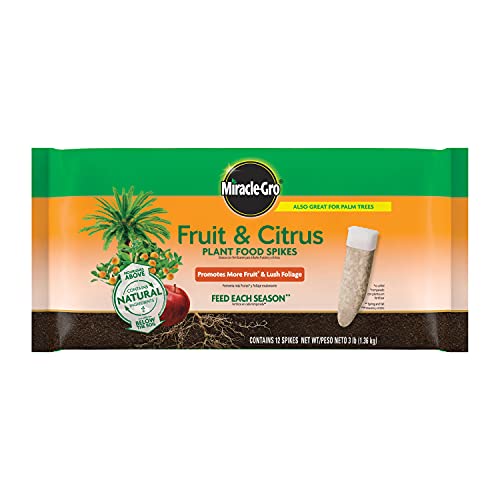
FORMULATED FOR CITRUS AND FRUIT TREES: Use these citrus fertilizer spikes on apple, orange, lemon, lime, and avocado trees; this formula is also great for feeding palm trees

Supports Strong Growth & Better Fruit Development - Helps promote vigorous growth, healthy foliage, and improved cherry production.

Let our professionally formulated plant food help your fruit tree grow healthy, strong AND abundantly producing
Pest Control Techniques for Cherry Trees
Effective pest control is essential for maintaining the health of cherry trees, especially in Wyoming’s unique high-altitude environment. Understanding the common pests that threaten these trees and implementing targeted strategies can significantly enhance their growth and fruit production. This section explores various techniques to manage pests while ensuring the vitality of your cherry trees.
Cherry trees are susceptible to various pests and diseases. Implementing preventive measures can minimize risks. Consider these strategies:
Regular Inspections: Check trees for signs of pests or disease.
Use Organic Pesticides: Apply as needed to control infestations.
Promote Beneficial Insects: Encourage natural predators to manage pest populations.
Cherry Tree Care Strategies for Wyoming
Caring for cherry trees in Wyoming’s unique high-altitude environment requires specific strategies to ensure their health and productivity. With varying temperatures and soil conditions, understanding the best practices for watering, pruning, and pest management is essential for successful cultivation. This section outlines effective care techniques tailored to the challenges faced by cherry tree growers in the region.
Successful cherry tree cultivation in Wyoming requires attention to detail and proactive care. Monitor environmental conditions and adjust care practices accordingly.
Planting the right varieties, preparing the soil, and managing watering and fertilization will lead to productive cherry trees.
Recommended Products

Sharp Mn Steel Blade for Fast & Clean Cuts: This pole saw uses a sharp three-sided edge with a double-sided barb design to grip branches securely and cut smoothly from multiple angles. The Mn steel blade is durable, rust-resistant, and lightweight, delivering fast, clean cuts. This is a manual pole saw with detachable pole sections for adjustable reach, not pruner, not a telescoping pole; it is neither electric nor battery-powered.

Heat-Treated Serrated Saw Blade: 8" saw blade designed for efficient cutting of branches and tough materials, ensuring sharpness and durability.

