

Cherry trees can indeed thrive in New Hampshire, particularly with careful selection of varieties and proper care. The best options for northern climates include hardy species that can withstand colder temperatures and varying soil conditions.
Hardy Cherry Tree Varieties for New Hampshire
When considering cherry trees for New Hampshire, it’s essential to choose varieties that can endure the state’s cold winters. Some cherry trees are more resilient than others, and selecting the right type can significantly increase your chances of success. Here are some recommended varieties:
| Variety Name | Hardiness Zone | Fruit Type |
|---|---|---|
| Montmorency | 4-8 | Tart |
| Bing | 5-8 | Sweet |
| North Star | 4-8 | Tart |
| Rainier | 5-8 | Sweet |
Montmorency cherries are particularly popular for their tart flavor and adaptability. Bing cherries are favored for their sweetness but require slightly warmer conditions. North Star is a dwarf variety that is excellent for smaller spaces.
Recommended Products
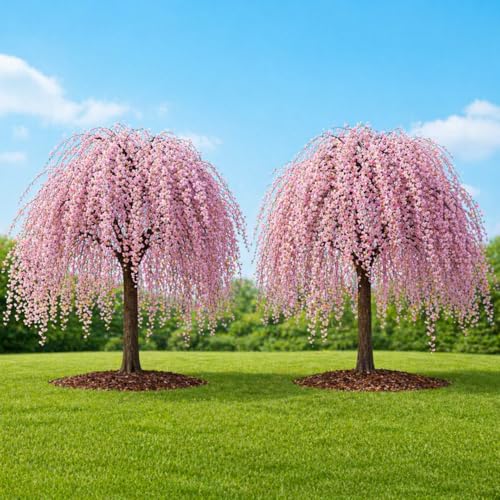
WHAT YOU WILL RECEIVE: 2 Cherry blossom tree live plant approximately 6 - 12 inches tall, prepared for transplanting into garden soil or outdoor containers

Each offer includes one plant grown in a 4 inch pot

Grow Hardy Fruiting Shrubs – Nanking Cherry bare root trees are perfect for home orchards, edible landscapes, hedgerows, wildlife habitats, privacy screens, pollinator gardens, backyard gardens, and homesteads. These cold-hardy shrubs produce beautiful spring flowers, flavorful cherries, and outstanding seasonal landscape interest.
Cherry Tree Planting Site Preparation
Proper site preparation is crucial for the successful growth of cherry trees. Choose a location that receives full sunlight for at least six hours daily. The soil should be well-draining to prevent root rot. Here are steps to prepare your site:
Test Soil pH: Aim for a pH between 6.0 and 7.0.
Clear Debris: Remove weeds, rocks, and old roots.
Amend Soil: Incorporate compost or well-rotted manure to enrich the soil.
Dig Planting Holes: Make holes twice the width of the root ball.
Ensure that the planting area has good air circulation to reduce the risk of fungal diseases.
Optimal Timing for Cherry Tree Planting
When considering cherry tree cultivation in New Hampshire, understanding the optimal timing for planting is crucial. The region’s unique climate and seasonal variations play a significant role in ensuring successful growth and fruit production. This section explores the best times to plant cherry trees for maximum vitality and yield in northern conditions.
Timing is essential when planting cherry trees in New Hampshire. The best time to plant is in early spring after the last frost. Follow these steps for optimal planting:
Soak Roots: Immerse roots in water for several hours before planting.
Position Tree: Place the tree in the hole, ensuring the graft union is above soil level.
Backfill: Fill the hole with soil, gently packing it to eliminate air pockets.
Water Thoroughly: Provide a deep watering immediately after planting.
Monitor the trees closely during their first growing season, as they will require regular watering to establish strong roots.
Cherry Tree Care Tips for New Hampshire
Growing cherry trees in New Hampshire can be rewarding, but it requires specific care to thrive in the region’s climate. Understanding the unique challenges posed by the northern environment is essential for successful cultivation. This section provides practical tips to help you nurture your cherry trees and ensure a fruitful harvest.
Ongoing care is vital for cherry trees to thrive. This includes proper watering, fertilization, and pest management. Here are key care tips:
Watering: Water deeply once a week during dry spells.
Fertilization: Apply a balanced fertilizer in early spring.
Pruning: Prune annually to remove dead or crossing branches.
Pest Control: Check for common pests like aphids and cherry fruit flies.
Regular care will help ensure healthy growth and fruit production.
Cherry Tree Disease Identification and Management
Understanding the diseases that can affect cherry trees is crucial for successful cultivation in New Hampshire’s unique climate. This section explores common cherry tree diseases, their symptoms, and effective management strategies to ensure healthy growth and fruit production. By identifying potential threats early, gardeners can take proactive measures to protect their trees and enhance their overall resilience.
Cherry trees are susceptible to various diseases, particularly in humid conditions. Awareness of these diseases can help in early detection and management. Common diseases include:
| Disease Name | Symptoms | Treatment |
|---|---|---|
| Brown Rot | Wilting fruit, brown spots | Remove infected fruit |
| Powdery Mildew | White powdery coating | Apply fungicide |
| Bacterial Canker | Gummy ooze, dieback | Prune affected areas |
Prompt action can prevent the spread of diseases and protect the health of your trees.
Cherry Harvest Timing for Optimal Flavor
Understanding the timing of cherry harvest is crucial for achieving the best flavor in cherries grown in New Hampshire. The unique climate conditions in this region influence when cherries reach their peak sweetness and juiciness. This section delves into the optimal harvest period to ensure a bountiful and flavorful cherry yield.
Once your cherry trees mature, typically after 3-5 years, you can look forward to a fruitful harvest. Timing your harvest is crucial for optimal flavor. Here’s how to determine when to pick:
Tart Cherries: Harvest when they are fully colored and slightly soft.
Sweet Cherries: Wait until they are firm and fully colored.
Enjoy your cherries fresh, or use them in pies, jams, and other recipes. Properly harvested cherries can be stored in the refrigerator for several days.
Cherry Tree Cultivation Tips for New Hampshire
Growing cherry trees in New Hampshire presents unique challenges due to the region’s climate and soil conditions. However, with the right techniques and care, successful cultivation is possible. This section outlines essential tips for nurturing cherry trees in the northern environment, ensuring they thrive and produce fruit.
Growing cherry trees in New Hampshire can be rewarding with the right approach. Focus on selecting hardy varieties, preparing the site adequately, and providing ongoing care. Monitor for diseases and pests to ensure a bountiful harvest.
