

Banana trees can thrive in Miami, FL, particularly the tropical varieties suited to the region’s warm climate. Selecting the right type of banana tree is crucial for successful growth and fruit production.
Tropical Banana Varieties for Miami Climate
Tropical banana trees are well-adapted to Miami’s humid subtropical climate. They require consistent warmth and moisture, making them ideal for this region. The most common varieties include the Cavendish, Red Dacca, and Lady Finger. Each variety offers unique flavors and growth characteristics.
Popular Banana Tree Traits for Miami
When considering banana trees for cultivation in Miami, it’s essential to understand the traits that make certain varieties well-suited for the region’s tropical climate. The right characteristics can enhance growth, fruit production, and overall resilience, ensuring a thriving banana garden. This section delves into the most popular traits of banana trees that flourish in Miami’s unique environment.
When choosing a banana tree, consider the following characteristics:
| Variety | Height | Fruit Type | Flavor Profile |
|---|---|---|---|
| Cavendish | 6-10 feet | Dessert | Sweet |
| Red Dacca | 5-8 feet | Dessert | Creamy, Sweet |
| Lady Finger | 4-6 feet | Dessert | Sweet, Mild |
Cavendish is the most commonly grown variety due to its resilience and high yield. Red Dacca offers a unique color and flavor, while Lady Finger is smaller and sweeter.
Optimal Conditions for Miami Banana Trees
Miami’s warm climate offers a unique environment for growing banana trees, making it an ideal location for tropical varieties. Understanding the optimal conditions—such as soil type, sunlight, and watering needs—can significantly enhance the growth and yield of these plants. This section explores the essential factors that contribute to successful banana cultivation in the Miami area.
Banana trees need specific conditions to flourish in Miami. They prefer full sun exposure and well-drained soil. Regular watering is essential, especially during dry spells.
Banana Tree Soil and Water Needs
Understanding the soil and water requirements for banana trees is crucial for successful cultivation in Miami’s unique climate. This section delves into the specific conditions these tropical plants thrive in, offering insights into soil composition and irrigation practices that can help ensure healthy growth and abundant fruit production.
Banana trees thrive in rich, loamy soil with good drainage. Follow these guidelines for optimal growth:
Soil pH: Aim for a pH between 5.5 and 7.0.
Watering Frequency: Water deeply once a week.
Fertilization: Use a balanced fertilizer every 6-8 weeks during the growing season.
Banana trees are sensitive to waterlogged conditions. Ensure proper drainage to avoid root rot.
Banana Tree Pest Control Strategies
In Miami’s warm climate, banana trees can thrive, but they also face various pests that can hinder their growth. Effective pest control strategies are essential for maintaining healthy banana plants and ensuring a fruitful harvest. This section explores practical methods to manage and prevent pest infestations specific to banana trees in tropical environments.
Pests and diseases can affect banana trees, particularly in humid environments. Regular monitoring and preventive measures are crucial.
Pests Affecting Banana Trees and Solutions
Banana trees in Miami, FL, can face various pest challenges that threaten their growth and fruit production. Understanding these pests and implementing effective solutions is crucial for maintaining healthy plants. This section delves into common pests affecting banana trees and offers practical strategies to combat them.
Identify and manage the following common pests:
| Pest | Symptoms | Treatment |
|---|---|---|
| Banana Weevil | Wilting leaves | Insecticidal soap |
| Spider Mites | Webbing on leaves | Neem oil |
| Aphids | Distorted new growth | Horticultural oil |
Implementing integrated pest management strategies will help maintain healthy plants.
Banana Tree Harvesting Techniques in Miami
In Miami’s warm climate, banana trees thrive, but successful harvesting requires specific techniques to maximize yield and quality. Understanding the right timing, tools, and methods can make a significant difference in the harvest process. This section explores effective strategies tailored for the unique growing conditions found in Miami.
Proper harvesting techniques enhance fruit quality and longevity. Timing is critical for optimal flavor and texture.
Banana Tree Harvesting Methods
Harvesting banana trees requires specific techniques to ensure the fruit is collected at the right time and in the best condition. In Miami’s warm climate, understanding the optimal methods for harvesting can significantly impact both yield and quality. This section explores various harvesting approaches tailored to the tropical varieties suited for the region.
Follow these steps for successful harvesting:
Timing: Harvest when bananas are plump and slightly green.
Cutting: Use a sharp knife to cut the bunch from the tree.
Handling: Handle the fruit gently to avoid bruising.
Once harvested, store bananas at room temperature. Avoid refrigeration until fully ripened.
Banana Grove Establishment Strategies in Miami
Establishing a banana grove in Miami requires careful planning and consideration of the region’s unique climate and soil conditions. Understanding the best practices for planting, nurturing, and maintaining tropical banana varieties will ensure a thriving grove that can yield abundant fruit. This section explores effective strategies tailored to the specific challenges and opportunities of growing bananas in Miami’s environment.
Establishing a banana grove in Miami requires planning and resources. Consider the following logistics:
Space Requirements: Allocate at least 10 feet between each tree for optimal growth.
Irrigation Systems: Install drip irrigation for efficient watering.
Mulching: Apply organic mulch to retain moisture and suppress weeds.
Implementing these logistics will support healthy banana tree growth and increase yield.
Recommended Products

1/4 INCH IRRIGATION TUBING: Create a feeder line that supplies water to a low-flow, drip-watering device, or use as a main line in a small drip irrigation system; for trees, shrubs, flower beds, groundcover, vegetable gardens, and planters
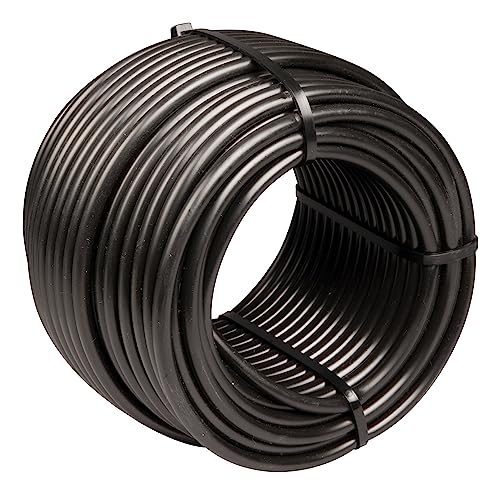
Rugged, flexible tubing that's easy to unroll and stake in garden, flower bed, ground cover or other landscaped areas

2.0 gallon per hour pressure-compensating emitter delivers same uniform flow rate from beginning to end of tubing runs
