

Banana trees thrive in Long Beach, CA, thanks to the region’s warm climate and coastal conditions. To cultivate these plants successfully, focus on selecting salt-tolerant varieties and implementing proper care techniques to mitigate salt exposure.
Coastal Banana Tree Variety Selection
Selecting the right variety of banana tree is crucial for thriving in Long Beach’s coastal environment. The unique salt exposure and climate conditions require specific types that can withstand these challenges while still producing fruit. Understanding which varieties are best suited for this region will help ensure a successful and fruitful banana garden.
Choosing the appropriate banana tree variety is crucial for success in coastal environments. Some varieties are more tolerant of salt and can withstand the unique conditions of Long Beach. Consider the following options:
Dwarf Cavendish: Compact and productive, ideal for small spaces.
Gros Michel: Known for its flavor and resilience to diseases.
Blue Java: Also called the ice cream banana, it has a unique flavor and is salt-tolerant.
Soil Testing for Healthy Banana Trees
Understanding the soil composition is crucial for cultivating healthy banana trees in Long Beach, CA. Coastal conditions can affect soil quality, making it essential to conduct thorough soil testing. This process helps identify nutrient levels and pH balance, ensuring optimal growth and resilience against salt exposure.
The soil quality in Long Beach can significantly impact the health of your banana trees. Conduct a soil test to determine salinity levels and nutrient content. This will help you understand what amendments are necessary.
Organic Matter: Incorporate compost or well-rotted manure to improve soil structure.
Drainage: Ensure good drainage to prevent root rot, especially in areas with high salt content.
| Soil Component | Recommended Level |
|---|---|
| pH | 5.5 to 7.0 |
| Organic Matter | 3% or higher |
| Salinity | Low to moderate |
Coastal Watering Strategies for Banana Trees
In the coastal climate of Long Beach, California, banana trees face unique challenges due to salt exposure and varying water availability. Implementing effective watering strategies is essential for their growth and fruit production. This section explores practical methods to ensure these tropical plants thrive despite the coastal conditions.
Proper watering techniques are essential for banana trees, especially in coastal areas. Salt can accumulate in the soil, affecting plant health. Use these strategies to manage watering effectively:
Drip Irrigation: This method delivers water directly to the roots, reducing salt buildup.
Rainwater Harvesting: Collect rainwater to use for irrigation, as it is typically low in salt.
Recommended Products

1/4 INCH IRRIGATION TUBING: Create a feeder line that supplies water to a low-flow, drip-watering device, or use as a main line in a small drip irrigation system; for trees, shrubs, flower beds, groundcover, vegetable gardens, and planters
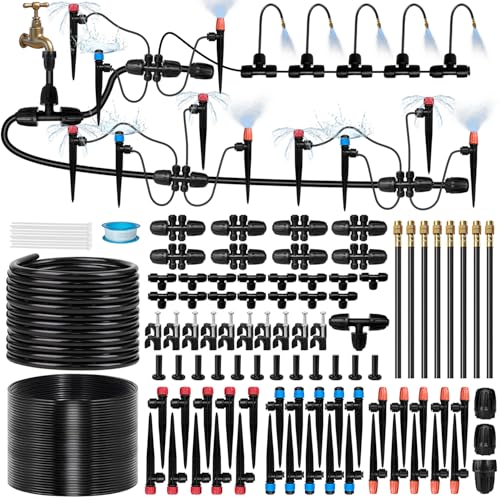
【Upgraded Tube Design & Water Saving】 Our garden watering system is upgraded to 1/2” diameter to support high water pressure. The 1/2” tee connector allows seamless splitting into 2 independent zones for customized watering schedules. By delivering moisture directly to root zones, this drip Irrigation system significantly reduces evaporation and runoff—saving more water compared to conventional sprinklers while eliminating the need for manual watering.

Precision Watering for Healthier Plants: This drip irrigation system kit make you easily customize your watering with 16 flexible bendable misting arms that bend to any angle or height. Deliver water exactly where it’s needed—roots, stems, leaves, or flowers—so every plant gets the care it deserves. Promote stronger growth while reducing overwatering and plant disease.
Local Climate Impact on Banana Growth
Understanding the local climate is essential for successfully growing banana trees in Long Beach, CA. The unique coastal environment, characterized by its salt exposure and mild temperatures, influences not only the growth patterns of these tropical plants but also their overall health and yield. This section explores how these climatic factors specifically affect banana cultivation in the region.
Understanding the local climate and environmental conditions will help you care for your banana trees. Long Beach has a Mediterranean climate, which can influence growth patterns.
Temperature: Banana trees prefer temperatures between 75°F and 95°F.
Wind Protection: Use barriers to shield young plants from salt-laden winds.
Fertilization Strategies for Banana Trees
Fertilizing banana trees in Long Beach requires a tailored approach to ensure healthy growth in the coastal environment. Given the unique challenges posed by salt exposure and soil conditions, understanding effective fertilization strategies is essential for maximizing fruit production and maintaining vibrant foliage. This section explores the best practices for nourishing banana trees in this specific climate.
Regular fertilization is key to healthy banana trees. Use a balanced fertilizer designed for fruiting plants. Pay attention to the following:
Micronutrients: Ensure the fertilizer contains essential micronutrients like magnesium and potassium.
Application Timing: Fertilize during the growing season, ideally every 6-8 weeks.
Recommended Products

2X MORE VALUE: The 16 oz bottle of Banana Plant Fertilizer makes 16 gallons of banana fertilizer for fruit trees, while the bigger size 32 oz bottle makes 32 gallons for lasting care of your banana trees.

PREMIUM FUEL LIQUID FERTILIZER: Wellspring Gardens Banana Fuel Liquid Fertilizer Concentrate provides a quality nutrient blend with minor elements that could grow your plants. Its 3-1-6 formula ratio is the ideal fertilizer ration according to University of Florida which is what our product is made of.
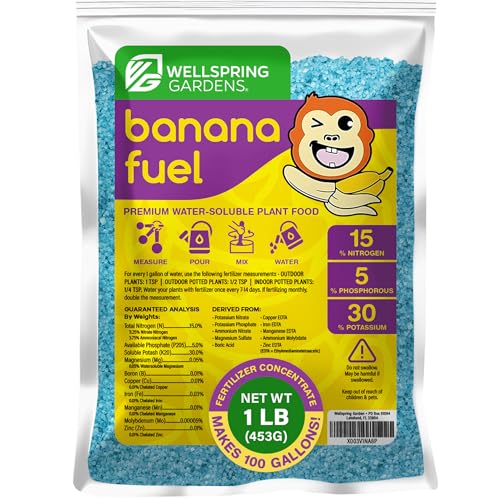
PREMIUM WATER SOLUBLE FERTILIZER: Wellspring Gardens Banana Fuel Fertilizer provides a water-soluble and high-quality nutrient blend with minor elements to promote optimal growth for your banana plants. Its premium 15-5-30 blend ensures that your banana plants are healthy and happy.
Pest and Disease Management for Banana Trees
Managing pests and diseases is crucial for the health of banana trees, especially in the coastal climate of Long Beach, CA. This section provides essential strategies and tips to protect your banana plants from common threats, ensuring they thrive in salty environments while remaining resilient against various challenges.
Pests and diseases can threaten the health of banana trees. Regular monitoring and preventive measures are necessary.
Common Pests: Watch for aphids and spider mites, which can damage leaves.
Fungal Diseases: Implement good air circulation to prevent fungal infections.
| Pest/Disease | Symptoms | Treatment |
|---|---|---|
| Aphids | Curling leaves | Insecticidal soap |
| Spider Mites | Yellow spots | Neem oil |
| Fungal Infection | Wilting | Fungicide |
Optimal Banana Harvesting Indicators
Understanding the optimal indicators for harvesting bananas is crucial for maximizing yield and ensuring fruit quality. In Long Beach, CA, where coastal conditions can influence growth, recognizing the signs of ripeness and readiness can make a significant difference. This section delves into the specific visual and tactile cues that indicate when to harvest your banana trees for the best results.
Harvesting bananas at the right time ensures the best flavor and texture. Monitor the fruit for the following signs:
Color Change: Bananas should be plump and begin to turn yellow.
Size: Ensure the fruit has reached its full size before harvesting.
Optimal Harvest Timing for Banana Trees
Understanding the optimal harvest timing for banana trees is crucial for maximizing yield and flavor, especially in the unique coastal climate of Long Beach, CA. This section will explore the signs of ripeness and the best practices for harvesting, ensuring that you can enjoy the fruits of your labor at their peak.
Timing is vital for optimal fruit quality. Harvesting too early or late can affect taste and texture.
Early Harvest: May lead to starchiness.
Late Harvest: Can result in overripening and spoilage.
Implementing these techniques will enhance your chances of successfully growing banana trees in Long Beach. By selecting the right variety, managing soil quality, and monitoring environmental conditions, you can cultivate healthy, productive banana plants.
