

Growing banana trees in Boston, MA is feasible with the right techniques and precautions. By selecting cold-hardy varieties and implementing specific care strategies, you can successfully cultivate these tropical plants in a coastal New England environment.
Choose Cold-Hardy Banana Varieties
Selecting the right banana tree variety is crucial for success in Boston’s climate. Cold-hardy options like the Musa basjoo can withstand temperatures as low as 10°F. These varieties also adapt well to container growing, allowing for easier relocation during harsh winters.
Cold-Hardy Banana Varieties for Boston
Growing banana trees in Boston may seem challenging due to the region’s cold climate, but certain cold-hardy varieties thrive even in Coastal New England. These resilient plants can withstand lower temperatures while still producing fruit, making them a viable option for local gardeners. Understanding which varieties are best suited for this environment is essential for successful cultivation.
Musa basjoo: Known for its resilience and ability to thrive in colder climates.
Musa sikkimensis: Offers attractive foliage and tolerates low temperatures.
Musa acuminata: A dwarf variety that can be grown in pots, making it ideal for limited spaces.
| Variety Name | Cold Tolerance | Height | Growth Rate |
|---|---|---|---|
| Musa basjoo | 10°F | Up to 12 ft | Fast |
| Musa sikkimensis | 15°F | Up to 10 ft | Moderate |
| Musa acuminata | 20°F | Up to 6 ft | Fast |
Site Preparation for Banana Trees
Successfully growing banana trees in Boston requires careful site preparation to accommodate their unique needs. The right location, soil conditions, and microclimate can significantly influence their growth and fruit production. Understanding these factors is essential for creating an optimal environment for these tropical plants in a coastal New England setting.
Proper site preparation is essential for healthy banana trees. Choose a location with full sun exposure and well-draining soil.
Amend the soil with organic matter to improve fertility and drainage. Consider raised beds or containers if the ground soil is too compact.
Soil pH and Drainage for Bananas
Understanding soil pH and drainage is crucial for successfully growing banana trees in Boston’s unique coastal New England climate. The right soil conditions not only support healthy growth but also enhance fruit production, making it essential for gardeners to pay attention to these factors in their cultivation efforts. Proper management can lead to thriving banana plants even in less-than-ideal environments.
Soil pH: Aim for a pH between 5.5 and 7.0 for optimal growth.
Drainage: Ensure the area drains well to prevent root rot.
Organic Matter: Incorporate compost or well-rotted manure to enhance soil quality.
Winter Care Techniques for Boston Banana Trees
Winter can be harsh in Boston, necessitating protective measures for your banana trees. Mulching and wrapping the plants can help insulate them from freezing temperatures. If planted in containers, move them indoors or to a sheltered location during the coldest months.
Recommended Products

Janitorial & Cleaning Supplies

WEATHER PROTECTION: Help new trees overcome harsh weather conditions and grow strong. Dalen Tree Wrap protects against sun-scalding, heat waves, frost cracks, and dry winter winds that can stunt growth and even kill young trees.

Sturdy Material, Porous and Breathable: our tree wrap is made of jute burlap material. It was light weight so it didn't hurt the plants and keeping them warm saved them from freezing, and dries faster than most wraps after it gets wet so the danger of rotting is broken
Winter Mulching Strategies for Banana Trees
Successfully growing banana trees in Boston requires careful attention to winter care, particularly through effective mulching strategies. Given the region’s cold climate, proper mulching can protect the roots and ensure the trees survive the harsh winter months. This section outlines practical techniques to help maintain the health and vitality of banana trees during the winter season.
Mulching: Apply a thick layer of straw or wood chips around the base.
Wrapping: Use burlap or frost cloth to cover the plants.
Container Relocation: Bring potted plants inside or to a garage during extreme weather.
Banana Tree Watering and Fertilization Guide
Successfully growing banana trees in Boston requires careful attention to their watering and fertilization needs. Given the region’s unique climate, understanding the right balance of moisture and nutrients is essential for promoting healthy growth and fruit production. This guide will provide practical tips tailored to the specific conditions of coastal New England.
Consistent watering and fertilization are vital for strong growth in banana trees. These plants require regular moisture, especially during the growing season. Use a balanced fertilizer every few weeks to support healthy foliage and fruit production.
Recommended Products
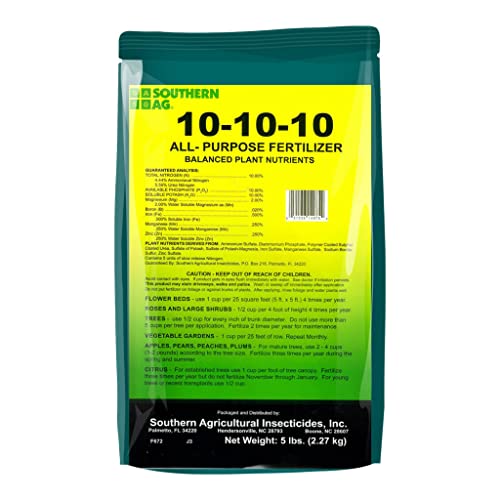
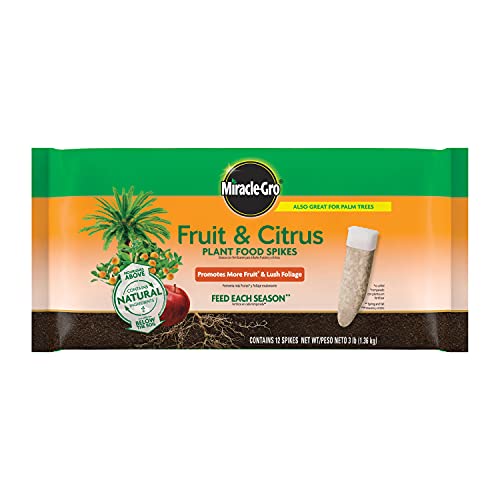
FORMULATED FOR CITRUS AND FRUIT TREES: Use these citrus fertilizer spikes on apple, orange, lemon, lime, and avocado trees; this formula is also great for feeding palm trees

Let our professionally formulated plant food help your fruit tree grow healthy, strong AND abundantly producing
Irrigation and Nutrient Strategies for Banana Trees
Successfully growing banana trees in Boston requires careful attention to irrigation and nutrient management. The unique coastal New England climate presents specific challenges, making it essential to implement effective strategies that ensure these tropical plants receive adequate water and nutrients for optimal growth. Understanding these techniques will help you cultivate healthy banana trees in this region.
Watering Frequency: Water deeply once a week, adjusting based on rainfall.
Fertilizer Type: Use a balanced 10-10-10 or 20-20-20 fertilizer.
Application Timing: Fertilize every 4-6 weeks during the growing season.
Pest and Disease Monitoring for Banana Trees
Monitoring pests and diseases is crucial for the successful cultivation of banana trees in Boston’s unique climate. Given the challenges posed by coastal New England, understanding the specific threats these trees face can help growers implement effective management strategies. This section explores key monitoring techniques and preventive measures to ensure healthy banana trees thrive in this region.
Regularly inspect your banana trees for signs of pests and diseases. Common issues include aphids, spider mites, and fungal infections. Early detection and treatment are crucial to prevent severe damage.
Pest Management for Boston Banana Trees
Successfully growing banana trees in Boston requires effective pest management strategies to combat the unique challenges posed by the coastal New England climate. Understanding common pests and their impacts on banana plants is essential for maintaining healthy growth and maximizing fruit production. This section will explore targeted approaches to keep your banana trees thriving in an urban environment.
Aphids: Small, green insects that can weaken plants.
Spider Mites: Tiny pests that create webbing and cause leaf discoloration.
Fungal Infections: Look for black spots or wilting leaves.
| Pest/Disease | Symptoms | Treatment |
|---|---|---|
| Aphids | Curling leaves, sticky residue | Insecticidal soap |
| Spider Mites | Webbing, yellowing leaves | Neem oil or miticides |
| Fungal Infections | Black spots, wilting | Fungicide application |
Banana Harvesting Techniques for New England
Successfully harvesting bananas in New England requires a tailored approach due to the region’s unique climate and growing conditions. Understanding specific techniques that cater to the challenges of cooler temperatures and shorter growing seasons can significantly enhance yield and fruit quality. This section outlines effective methods for harvesting bananas in Boston and similar coastal areas.
Once your banana trees produce fruit, proper harvesting techniques are essential. Wait until the bananas have turned yellow before cutting them from the plant. Enjoy fresh bananas or use them in various recipes.
Banana Harvest Timing for New England
Understanding the optimal timing for banana harvests in New England is crucial for successful cultivation in this unique climate. Given the region’s shorter growing season and variable weather, knowing when to pick bananas can significantly impact yield and fruit quality. This section will explore the best practices for timing your banana harvest in Boston and surrounding areas.
Timing: Harvest when bananas are fully yellow.
Cutting Method: Use a sharp knife to avoid damaging the plant.
Storage: Store at room temperature for optimal ripening.
Regular maintenance and attention to your banana trees will lead to a successful harvest. Be proactive in managing their needs, especially in the unique climate of Boston.
