

Growing banana trees in San Antonio, TX, can be a rewarding endeavor if you implement water-wise practices. Proper irrigation techniques and soil management are essential for thriving plants in the region’s climate.
San Antonio Climate Insights for Banana Cultivation
San Antonio experiences a humid subtropical climate, characterized by hot summers and mild winters. This climate is generally suitable for growing banana trees, but understanding local weather patterns is crucial. The average annual rainfall is around 32 inches, with the majority occurring in spring and early summer.
Banana trees thrive in temperatures between 75°F and 95°F. However, temperatures can dip below freezing during winter months. This makes it essential to prepare your trees for colder weather.
Best Banana Varieties for San Antonio Climate
Selecting the right banana varieties is crucial for successful cultivation in San Antonio’s unique climate. With its warm temperatures and occasional drought conditions, certain types of bananas thrive better than others. Understanding these varieties can help ensure a fruitful and sustainable harvest while conserving water resources.
Choosing the right banana variety is vital for success in San Antonio. Some varieties are more tolerant of the local climate and soil conditions. Here are a few recommended types:
| Variety | Height | Cold Tolerance | Fruit Size |
|---|---|---|---|
| Cavendish | 6-10 ft | Moderate | Large |
| Dwarf Brazilian | 4-6 ft | Low | Medium |
| Red Dacca | 6-12 ft | Moderate | Large |
| Lady Finger | 5-7 ft | Low | Small |
Cavendish bananas are popular for their large fruit and moderate cold tolerance. Dwarf Brazilian is ideal for smaller spaces but has lower cold resistance. Red Dacca offers a unique flavor, while Lady Finger produces sweet, small bananas.
Water Management Strategies for Banana Trees
Effective water management is crucial for successfully growing banana trees in San Antonio’s unique climate. With its hot summers and variable rainfall, implementing targeted irrigation techniques and understanding soil moisture needs can significantly enhance growth and fruit production. This section explores practical strategies to optimize water use while ensuring healthy banana trees thrive in the region.
Water management is critical for growing banana trees in San Antonio. These trees require consistent moisture, especially during the growing season. However, overwatering can lead to root rot.
Consider the following watering strategies:
Drip irrigation: This method provides a slow, steady supply of water directly to the root zone, minimizing evaporation.
Mulching: Apply organic mulch around the base to retain moisture and regulate soil temperature.
Soil moisture monitoring: Use moisture meters to determine when to water, ensuring the soil remains consistently moist but not soggy.
Recommended Products
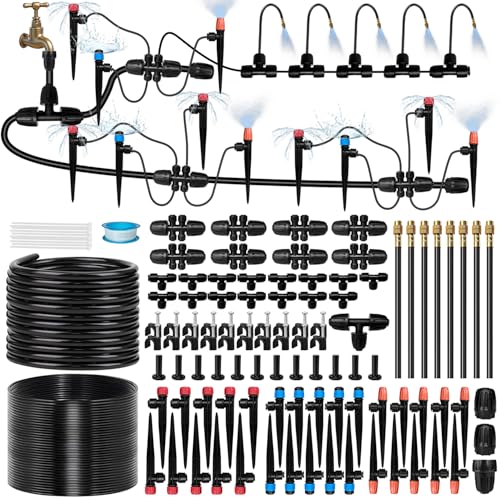
【Upgraded Tube Design & Water Saving】 Our garden watering system is upgraded to 1/2” diameter to support high water pressure. The 1/2” tee connector allows seamless splitting into 2 independent zones for customized watering schedules. By delivering moisture directly to root zones, this drip Irrigation system significantly reduces evaporation and runoff—saving more water compared to conventional sprinklers while eliminating the need for manual watering.

NO MORE HARD INSTALLATION - SET UP IN MINUTES. Tired of struggling with stiff barbed fittings? This drip irrigation system features quick-connect fittings that let you push, lock, and secure tubing effortlessly. No tools, no leaks, just a smooth setup experience. Enjoy a frustration-free installation and get your garden watering system running in minutes.

Everything in One Box – Everything included: 100FT 1/4" tubing, 24 nozzles, connectors, stakes, ties & end caps. Covers small/medium gardens effortlessly
Banana Tree Soil Preparation Techniques
Preparing the right soil is crucial for successful banana tree cultivation in San Antonio’s unique climate. This section explores effective techniques for soil preparation that ensure optimal drainage, nutrient availability, and moisture retention, all essential for fostering healthy banana trees in a water-wise manner. Understanding these methods can significantly enhance your gardening efforts and yield.
Proper soil preparation enhances the growth of banana trees. The ideal soil should be well-draining and rich in organic matter. Here are steps to prepare your soil:
Test soil pH: Aim for a pH between 5.5 and 7.0 for optimal growth.
Amend soil: Incorporate compost or well-rotted manure to improve nutrient content.
Ensure drainage: If your soil retains too much water, consider raised beds to enhance drainage.
Fertilization Strategies for Banana Trees
Fertilizing banana trees is crucial for promoting healthy growth and maximizing fruit production, especially in the unique climate of San Antonio, TX. Understanding the specific nutrient needs and optimal application methods can lead to a thriving banana grove that withstands local conditions while conserving water. This section explores effective fertilization strategies tailored to ensure success in your banana cultivation efforts.
Fertilization is essential for healthy banana trees. These trees are heavy feeders and require a balanced fertilizer throughout the growing season. Follow these guidelines:
Use a slow-release fertilizer high in potassium and nitrogen.
Apply fertilizer every 6-8 weeks during the growing season.
Monitor for nutrient deficiencies, such as yellowing leaves, which may indicate a need for additional nutrients.
Effective Pest Control for Banana Trees
Managing pests is crucial for the health of banana trees, especially in the unique climate of San Antonio, TX. With the right strategies, you can effectively protect your plants from common threats while ensuring they thrive in a water-wise environment. This section explores practical pest control methods tailored to the local conditions and challenges faced by banana growers.
Pest management is crucial for maintaining healthy banana trees. Common pests include aphids, spider mites, and banana weevils. Implement these strategies for effective pest control:
Regular inspections: Check leaves and stems for signs of infestation.
Natural predators: Introduce beneficial insects like ladybugs to control aphid populations.
Neem oil: Use this natural pesticide to deter pests without harming beneficial insects.
Recommended Products


NEEM OIL SPRAY FOR PLANTS – A fast-acting, multipurpose neem spray designed for indoor plants, houseplants, and garden use. This ready-to-use plant spray combines cold-pressed neem oil with a balanced botanical blend to solve common plant care issues while supporting healthy, resilient leaves.

ADVANCED FORMULA: Emulsifiers built into the formula so you just add water. 100% pure oils require an emulsifier to allow oil and water to mix. Nature's IQ has this already built in so you just add water.
Banana Tree Seasonal Care Guidelines
In San Antonio’s unique climate, understanding the seasonal care of banana trees is essential for successful growth. This section outlines specific guidelines tailored to the region’s weather patterns, ensuring that your banana trees thrive throughout the year while conserving water. By following these care tips, you can maximize your yield and maintain healthy plants.
Seasonal care is essential for the longevity of your banana trees. Here are key considerations:
Winter protection: Wrap the base of the tree with burlap during freezing temperatures.
Pruning: Remove dead or damaged leaves to promote airflow and reduce disease risk.
Harvesting: Monitor fruit for ripeness and cut the stalk when the bananas are plump and yellow.
Banana Cultivation Tips for San Antonio
Growing banana trees in San Antonio requires a tailored approach to ensure success in the region’s unique climate. This section offers essential tips for cultivating bananas, focusing on water conservation techniques and optimal care practices that align with the area’s environmental conditions. By following these guidelines, you can enjoy a fruitful banana harvest while being mindful of water usage.
| Aspect | Recommendation |
|---|---|
| Watering | Drip irrigation preferred |
| Soil type | Well-draining, rich in organic matter |
| Fertilization | Slow-release, high in potassium |
| Pest management | Regular inspections, neem oil |
Growing banana trees in San Antonio is achievable with the right knowledge and practices. Focus on water management, soil preparation, and pest control to ensure a fruitful harvest.
