

Growing banana trees in Texas can be successful with the right care and conditions. Selecting the right variety and understanding local climate factors are essential for thriving plants.
Texas Climate Impact on Banana Tree Growth
Texas offers a diverse climate that significantly influences the growth of banana trees. Understanding the state’s varying weather patterns, soil types, and seasonal changes is essential for successful cultivation. This section delves into how these climatic factors affect banana tree health and productivity in different regions of Texas.
Texas has diverse climates ranging from humid subtropical to arid desert. This variation affects how well banana trees will grow. Most varieties thrive in warm temperatures and require protection from frost.
In general, the best regions for growing banana trees in Texas include:
Southeast Texas: Ideal for varieties like the Dwarf Cavendish.
South Texas: Suitable for the Goldfinger variety, which is more cold-tolerant.
Central Texas: Requires extra care, especially during winter months.
Understanding these regional differences helps in selecting the right banana tree variety.
Choose the Right Banana Tree Variety
Selecting the appropriate banana tree variety is crucial for successful cultivation in Texas. With its diverse climate zones, the state offers unique challenges and opportunities for growers. Understanding which varieties thrive in local conditions will set the foundation for a fruitful banana-growing experience.
Selecting the appropriate banana tree variety is crucial for success. Some varieties are better suited for Texas conditions than others. Consider the following popular options:
| Variety | Height | Cold Tolerance | Flavor Profile |
|---|---|---|---|
| Dwarf Cavendish | 4-6 ft | Moderate | Sweet |
| Goldfinger | 6-8 ft | High | Sweet, tangy |
| Blue Java | 10-15 ft | Moderate | Creamy, vanilla |
| Orinoco | 6-12 ft | Low | Earthy, sweet |
Each variety has unique characteristics that can influence your choice based on your local climate.
Recommended Products
![Greenwood Nursery: Live Perennial Plants - Musa Basjoo Cold Hardy Banana - [Qty: 2X Pint Pots] - (Click for Other Available Plants/Quantities)](https://m.media-amazon.com/images/I/51cl7jVVE3L._SL500_.jpg)
🌿 [INFO1] - Gives a tropical look to your garden. Grows from the Southern U.S. all the way to the southern part of Canada. A hardy Flowering Banana plant provides a tropical plant or jungle garden feel for pool landscapes, zen gardens and also makes an excellent container plant for porches, decks, patios & sunny areas of the house. The yellow orange flowers will produce small ornamental fruits that are not edible.
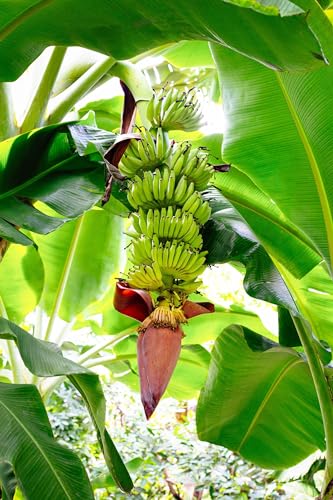
Live Plants for Planting 🌱 – Includes 4 rooted Musa basjoo banana plants, ready to plant in your garden or large pots.
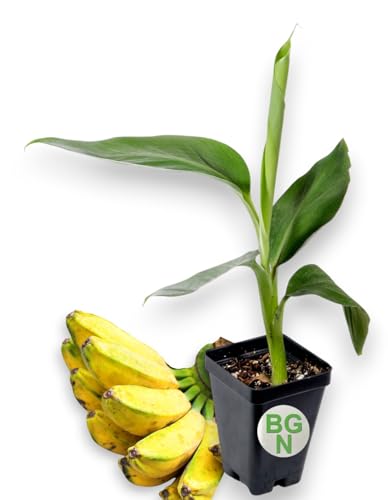
Size and Growth: The California Gold Banana plant is compact yet striking, reaching a mature height of about 5 to 7 feet. This manageable size makes it perfect for smaller spaces, urban gardens, or even as a potted plant on patios and balconies. Despite its smaller stature compared to other banana varieties, it delivers lush, wide leaves that lend a distinctly tropical feel to any setting.
Optimal Site Selection for Banana Trees
Choosing the right location is crucial for successfully growing banana trees in Texas. Factors such as sunlight, soil quality, and drainage play significant roles in the health and productivity of these tropical plants. Understanding the optimal site conditions will help ensure robust growth and fruitful yields in the unique climate of the Lone Star State.
Preparing the planting site is essential for healthy banana trees. Choose a location that receives full sun and has well-draining soil.
Follow these steps for site preparation:
Clear the area of weeds and debris.
Test the soil for pH levels; aim for 5.5 to 7.0.
Amend the soil with organic matter if necessary.
Dig a hole that is twice the width of the root ball.
Proper site preparation promotes strong root growth and overall plant health.
Recommended Products

Accurate Soil pH Testing: Dewildetradingco Soil pH Test Strips offer measurements of soil pH levels (pH 3.5-9). As an essential tool for every gardener and grower, these test strips help determine the optimal pH for various plants, such as outdoor plants, indoor plants, gardens, grass lawns, fruit trees, flowers, vegetables, and forest shrubs.

Kindly NOTE: This soil tester can not be applied to test pH value of any other liquid. If the soil is too dry the indicator will not move, and water it before testing.

KNOW BEFORE YOU GROW | Grow the healthiest, sustainable lawn and garden with the most accurate and easy to use professional soil test kit on the market
Banana Tree Planting and Maintenance Guide
Successfully growing banana trees in Texas requires careful attention to planting and maintenance practices tailored to the state’s unique climate. This guide provides essential tips on soil preparation, optimal planting techniques, and ongoing care to ensure your banana trees thrive in the Lone Star State. With the right approach, you can enjoy a fruitful harvest of delicious bananas.
Planting and caring for your banana trees involves several key steps. Ensure you follow these guidelines for optimal growth:
Plant in spring after the last frost.
Water regularly to keep the soil moist but not soggy.
Fertilize every 6-8 weeks with a balanced fertilizer.
Mulch around the base to retain moisture and suppress weeds.
Regular maintenance helps in achieving a healthy, productive banana tree.
Pest Management for Texas Banana Trees
Managing pests is crucial for the successful cultivation of banana trees in Texas, where the warm climate can attract various threats. Understanding the specific pests that target banana plants and implementing effective control strategies can help ensure healthy growth and fruitful yields. This section will explore common pests and practical management techniques tailored for Texas growers.
Pests can pose a significant threat to your banana trees. Monitor for common pests such as aphids, spider mites, and banana weevils.
Implement these pest management strategies:
Inspect leaves regularly for signs of infestation.
Use insecticidal soap to treat minor outbreaks.
Introduce beneficial insects like ladybugs to control aphid populations.
Effective pest management ensures your banana trees remain healthy and productive.
Optimal Harvest Timing for Texas Bananas
Understanding the optimal harvest timing for banana trees in Texas is crucial for maximizing yield and ensuring fruit quality. Texas’s unique climate and growing conditions influence when bananas reach their peak ripeness, making it essential for growers to recognize the signs of readiness. This section delves into the best practices for timing your harvest in the Lone Star State.
Harvesting is the final step in the banana tree growing process. Knowing when and how to harvest is crucial for the best flavor.
Follow these guidelines for harvesting:
Wait until bananas are plump and the skin starts to yellow.
Cut the entire bunch from the tree using a sharp knife.
Handle with care to avoid bruising.
Proper harvesting techniques will enhance the quality of your bananas.
Key Considerations for Texas Banana Cultivation
Growing banana trees in Texas can be a rewarding endeavor, but it requires careful planning and attention to specific environmental factors. Understanding the unique climate, soil conditions, and pest management strategies in the Lone Star State is essential for successful cultivation. This section outlines the key considerations to ensure your banana trees thrive in Texas.
Growing banana trees in Texas requires understanding the local climate, selecting the right variety, and providing proper care. Consistent monitoring for pests and timely harvesting will lead to successful yields.
By following these guidelines, you can enjoy the fruits of your labor with homegrown bananas.
