

Lime trees can thrive in Colorado’s high altitudes with proper protection techniques. Utilizing strategies like microclimates and frost protection methods ensures healthy growth and fruit production in challenging conditions.
High Altitude Growth Challenges for Lime Trees
Growing lime trees in Colorado presents unique challenges due to the state’s high altitude. The combination of intense sunlight, fluctuating temperatures, and potential frost can hinder their development. Understanding these specific growth challenges is essential for successfully cultivating lime trees in this environment.
Growing lime trees in Colorado poses unique challenges due to the state’s high altitude. Factors such as intense sunlight, rapid temperature fluctuations, and frost can hinder growth and fruiting. Understanding these challenges is crucial for successful cultivation.
High altitudes often mean cooler nights, which can be detrimental to lime trees that prefer warmer climates. Additionally, the UV radiation is stronger at higher elevations, which can stress the plants. These environmental factors necessitate specific protective measures.
Recommended Products
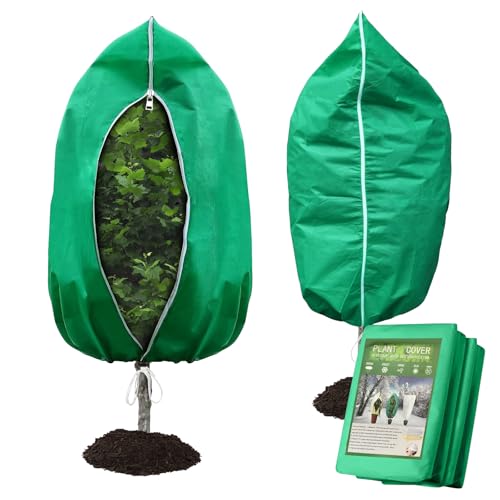
🌬️ Ultimate Cold Weather Protection:Crafted from thick 2.8oz/yd² non-woven fabric, our HEKIWAY plant freeze covers shield your trees and plants from frost, snow, wind, and ice. A reliable barrier for harsh winters, ensuring your greenery survives and thrives

Revolutionary Anti-freeze Protection: Plant covers freeze protection is made of 100% Reliable non-woven thickened polypropylene fabric Because the frost cloth fabric Thickness is 3.2 oz/yd² thicker and warmer, tear resistant than less expensive 1.3 oz/yd² fabric. Provides up to 2° F(-17℃) frost protection. In winter, frost blankets for outdoor plants can form a insulation layer for plants to isolate cold air and retain the oxygen required for plant respiration

Premium Material - Made of 2.06 oz/yd²(70gsm) breathable, non-woven fabric, our plant covers are an affordable, durable, and convenient way to provide frost and cold protection to outdoor plants. Breathable yet waterproof, these plant covers allow sunlight to penetrate while shielding a plant from cold air and helping to maintain a consistent inner temperature.
Microclimate Strategies for Lime Tree Growth
Lime trees thrive in specific conditions, and understanding microclimates is crucial for successful growth in Colorado’s high altitudes. This section explores effective strategies to create and maintain the ideal environment for lime trees, ensuring they receive the warmth and protection needed to flourish despite the challenges posed by elevation and temperature fluctuations.
Establishing microclimates can significantly enhance the growing conditions for lime trees. A microclimate is a localized area with different climate conditions than the surrounding environment. This can be achieved through strategic planting and the use of protective structures.
Choose sheltered locations: Plant lime trees near buildings or larger trees to shield them from harsh winds.
Use reflective materials: Surround the planting area with reflective materials to increase warmth and light.
Install windbreaks: Erect fences or plant shrubs to reduce wind exposure.
Creating a microclimate can improve the overall health and productivity of lime trees in Colorado’s challenging climate.
Frost Protection Strategies for Lime Trees
Lime trees thrive in warmer climates, but Colorado’s high altitude presents unique challenges, particularly frost. Implementing effective frost protection strategies is crucial for ensuring the health and productivity of these trees. This section explores various methods to safeguard lime trees against the harsh effects of cold weather.
Frost can severely damage lime trees, especially during early spring. Implementing effective frost protection techniques is essential for safeguarding young trees.
Use frost cloths: Cover trees with frost cloths during cold nights to retain heat.
Employ heat sources: Place heat lamps or string lights around the trees to provide warmth.
Mulch the base: Apply a thick layer of mulch around the base to retain soil warmth.
These methods can protect lime trees from frost damage and ensure they thrive.
Cold-Hardy Lime Tree Selection for Colorado
Selecting cold-hardy lime trees is essential for successful cultivation in Colorado’s challenging high-altitude climate. Understanding which varieties can withstand colder temperatures while still producing flavorful fruit will help gardeners thrive in these unique conditions. This section explores the best lime tree options suited for Colorado’s environment, ensuring a fruitful harvest despite the cold.
Choosing the right lime tree variety is crucial for successful cultivation in Colorado. Some varieties are more tolerant of cold temperatures and high altitudes.
| Lime Variety | Cold Hardiness | Fruit Quality | Growth Habit |
|---|---|---|---|
| Persian Lime | 20°F | Juicy, tart | Bushy |
| Key Lime | 30°F | Aromatic, sweet | Compact |
| Mexican Lime | 25°F | Tangy, flavorful | Spreading |
Selecting cold-hardy varieties can enhance your chances of successful lime production in high-altitude areas.
Soil Management for Healthy Lime Trees
Effective soil management is crucial for the health and productivity of lime trees in Colorado’s high-altitude environment. The unique challenges posed by altitude demand specific strategies to ensure optimal soil conditions, nutrient availability, and moisture retention. Understanding these factors can significantly enhance the growth and fruiting potential of lime trees in this region.
Soil quality and moisture levels play a significant role in the health of lime trees. Proper soil management and irrigation techniques are essential for optimal growth.
Test soil pH: Lime trees prefer slightly acidic to neutral pH levels (6.0 to 7.0).
Improve drainage: Ensure the soil drains well to prevent root rot.
Water appropriately: Water deeply but infrequently to encourage deep root growth.
Optimizing these conditions can lead to healthier lime trees and better fruit yields.
Pest and Disease Surveillance Strategies
Effective pest and disease surveillance is crucial for maintaining healthy lime trees in Colorado’s unique high-altitude environment. By implementing targeted monitoring strategies, growers can identify potential threats early and take appropriate action to protect their crops. This section explores practical approaches to safeguard lime trees from common pests and diseases in these challenging conditions.
Pest and disease management is vital for maintaining healthy lime trees. Regular monitoring can help identify issues before they escalate.
Inspect leaves regularly: Look for signs of pests like aphids or spider mites.
Use organic pesticides: Apply neem oil or insecticidal soap as needed.
Practice crop rotation: Rotate planting locations annually to reduce disease buildup.
Monitoring and managing pests can protect lime trees from damage and ensure robust growth.
Plan for Seasonal Changes
Understanding how to plan for seasonal changes is crucial for successfully growing lime trees in Colorado’s high-altitude climate. Variations in temperature and precipitation can significantly impact their growth and fruit production. By anticipating these seasonal shifts, you can implement effective strategies to protect your lime trees and ensure a thriving harvest.
Adapting to seasonal changes is essential for successful lime cultivation. Understanding the growth cycle and timing of care can enhance tree resilience.
Prune in late winter: Remove dead or damaged branches before new growth begins.
Fertilize in spring: Apply a balanced fertilizer to support growth as temperatures rise.
Prepare for winter: Wrap young trees in burlap to protect against freezing temperatures.
Planning for these seasonal changes can help lime trees thrive throughout the year.
