

Avocado trees can grow in Cincinnati, OH, but success depends on specific care and environmental conditions. Proper selection of cold-hardy varieties, along with protective measures during winter, will enhance growth potential in this region.
Best Avocado Varieties for Cincinnati Climate
Choosing the appropriate avocado tree variety is crucial for successful growth in Cincinnati’s climate. The climate in this region features cold winters and warm summers, making it essential to select cold-hardy varieties. The following options are well-suited for this area:
Mexicola: This variety is known for its cold tolerance and can withstand temperatures down to 20°F.
Bacon: Another cold-resistant option, Bacon avocados thrive in moderate climates and can handle some frost.
Fuerte: This variety offers a balance of taste and hardiness, making it a popular choice for home gardeners.
| Variety | Cold Tolerance | Fruit Quality | Growth Habit |
|---|---|---|---|
| Mexicola | 20°F | High | Upright |
| Bacon | 25°F | Medium | Spreading |
| Fuerte | 30°F | High | Upright |
Avocado Tree Planting Site Preparation
Proper site preparation is essential for growing avocados successfully. The chosen location should receive full sun for at least six hours a day. Additionally, the soil must be well-draining to prevent root rot. Follow these steps to prepare the site:
Choose a sunny location: Ensure the area is free from shade and wind.
Test soil drainage: Dig a hole and fill it with water. If it drains within a few hours, the site is suitable.
Amend the soil: Mix in organic matter like compost to improve drainage and nutrient content.
Avocado Tree Winter Care Techniques
Caring for avocado trees during the winter months is crucial, especially in climates like Cincinnati, where temperatures can drop significantly. Proper winter care techniques can help protect these tropical plants from cold stress and ensure their survival until warmer weather returns. Below are effective strategies to keep your avocado trees healthy throughout the winter season.
Cincinnati winters can be harsh, so implementing protective measures is vital for avocado trees. These strategies help mitigate the effects of frost and freezing temperatures:
Mulching: Apply a thick layer of mulch around the base to retain soil warmth and moisture.
Frost cloth: Use frost cloth during cold snaps to shield the tree from freezing temperatures.
Container planting: Consider growing avocados in pots for easy relocation indoors during winter months.
Recommended Products

The Large plant cover is perfect for Plant size 55''-70"high and 84''-94" round, Heavy-weight FRCs (1.77oz./sq. yard): usually used to extend the growing season in spring and fall, allow 40%-60% light transmittance, and recommend 3°-8°F of freeze protection
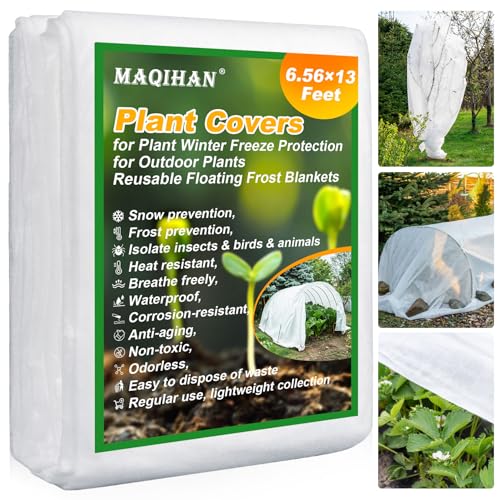
Product Features: Our plant covers are ideal for protecting all plant. Made from premium 1 oz/sq non-woven fabric, their durability and breathability ensuring both insulation against frost and facilitation of sunlight penetration for healthy plant growth

The medium plant cover is perfect for Plant size 30''-39"high and 52''-62" round, Heavy-weight FRCs (1.77oz./sq. yard): usually used to extend the growing season in spring and fall, allow 40%-60% light transmittance, and recommend 3°-8°F of freeze protection
Avocado Tree Care: Watering and Fertilization
Growing avocado trees in Cincinnati presents unique challenges, particularly when it comes to their care. Proper watering and fertilization are crucial for their health and productivity, especially in a climate that may not be ideal for these tropical plants. Understanding the specific needs of avocado trees can help ensure they thrive in this region.
Watering and fertilization are critical for the health of avocado trees. Proper care ensures robust growth and fruit production. Follow these guidelines:
Watering: Avocados prefer deep watering once a week. Ensure the top inch of soil dries out between waterings.
Fertilization: Use a balanced fertilizer formulated for fruit trees. Apply it during the growing season, typically in early spring and mid-summer.
| Fertilizer Type | Application Frequency | Recommended Rate |
|---|---|---|
| Balanced | Every 6-8 weeks | 1 lb per tree |
| Organic | Every 3 months | 2 lbs per tree |
Recommended Products

FORMULATED FOR CITRUS AND FRUIT TREES: Use these citrus fertilizer spikes on apple, orange, lemon, lime, and avocado trees; this formula is also great for feeding palm trees

FOR USE ON: Use Citrus-tone organic fertilizer for all citrus trees, including lemon, lime, orange, Meyer Lemon Trees as well as for avocado & nut trees

HEALTHY AVOCADO PLANTS: Our Avocado Fruit Fertilizer is formulated to nourish your avocado plants with micronutrients for lush growth and vibrant leaves while preventing yellowing and stunted growth.
Avocado Tree Pest and Disease Control
Growing avocado trees in Cincinnati can be rewarding, but they are susceptible to various pests and diseases that can hinder their development. Understanding the common threats and implementing effective control measures is essential for maintaining healthy trees. This section explores the key pests and diseases that avocado trees may face and offers practical solutions for managing them.
Pests and diseases can threaten avocado trees, making management essential for healthy growth. Regular monitoring and timely intervention can prevent significant damage. Key pests include:
Avocado Lace Bug: This pest causes leaf discoloration. Use insecticidal soap for control.
Root Rot: Caused by overwatering, ensure proper drainage to prevent this disease.
Implementing integrated pest management strategies will help maintain tree health.
Optimal Timing for Avocado Harvest
Understanding the optimal timing for avocado harvest is crucial for maximizing yield and flavor, especially in regions like Cincinnati, OH. Factors such as climate, tree maturity, and local growing conditions play significant roles in determining when to pick avocados. This section will provide insights tailored to the unique challenges and opportunities faced by avocado growers in the River Valley.
Harvesting avocados at the right time is crucial for optimal flavor and texture. Unlike many fruits, avocados do not ripen on the tree.
Instead, they must be picked at the right stage. Follow these tips:
Check maturity: Avocados are ready for harvest when they feel slightly soft to the touch.
Timing: Harvest typically occurs in late summer to early fall, depending on the variety.
Storage: Store harvested avocados at room temperature until they ripen.
Do not leave avocados on the tree too long, as this can lead to poor quality fruit.
Cincinnati Avocado Growth Strategies
Growing avocado trees in Cincinnati presents unique challenges due to the region’s climate and soil conditions. To successfully cultivate these trees, it’s essential to implement specific strategies that cater to their needs while adapting to local environmental factors. The following approaches will help enhance the chances of thriving avocado plants in the River Valley area.
Growing avocado trees in Cincinnati requires careful planning and attention to detail. Select the right variety, prepare the site properly, and implement protective measures during winter. Regular maintenance, including watering, fertilization, and pest management, will ensure a fruitful harvest.
