

Avocado trees thrive in Long Beach, CA, when properly adapted to coastal conditions. Implementing salt-tolerant practices ensures healthy growth and fruitful yields.
Coastal Challenges for Avocado Cultivation
Growing avocado trees in Long Beach, CA presents unique challenges due to the coastal environment. Factors such as salt exposure, wind, and soil conditions can significantly impact their health and productivity. Understanding these coastal challenges is crucial for successful avocado cultivation in this region.
Long Beach’s coastal climate presents unique challenges for growing avocado trees. High salt levels in the soil and air can hinder their growth. Understanding these conditions is crucial for successful cultivation.
Soil Type: Sandy loam is ideal for drainage.
Humidity Levels: Moderate humidity can promote growth.
Wind Exposure: Protect trees from strong coastal winds.
Coastal Avocado Varieties for Salt Tolerance
When selecting avocado varieties for coastal cultivation in Long Beach, CA, it’s essential to consider their salt tolerance. Coastal environments present unique challenges, and certain avocado types thrive better in these conditions, ensuring healthy growth and fruit production. This section explores the best coastal avocado varieties that can withstand salty air and soil.
Choosing the right avocado variety is essential for success in coastal areas. Certain cultivars exhibit better tolerance to salt and wind. Selecting these varieties can enhance resilience and productivity.
Hass: Popular and adaptable to various conditions.
Bacon: Known for its cold hardiness and salt tolerance.
Fuerte: Offers good resistance to salt and wind.
| Variety | Salt Tolerance | Wind Resistance | Yield Potential |
|---|---|---|---|
| Hass | Moderate | High | High |
| Bacon | High | Moderate | Medium |
| Fuerte | High | High | Medium |
Recommended Products
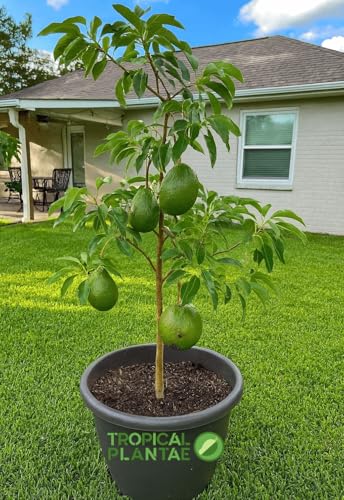
Picture this: months from now, your outdoor space looks completely different because you decided to plant this Marcus Pumpkin avocado tree today. The tree grows, fills your yard with shade, greenery, and life—and suddenly your home feels more relaxing, more inviting, more yours.
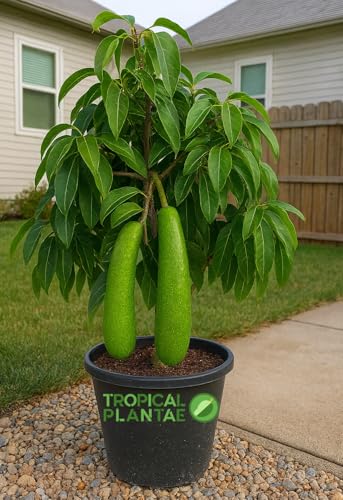
Choosing a variety like this adds something special to your home: a tree that grows tall, elegant, and impressive… a tree that becomes part of your environment and part of your everyday life.

Coastal Watering Strategies for Avocado Trees
In Long Beach, CA, the coastal environment presents unique challenges for avocado trees, particularly regarding watering practices. Understanding how to effectively manage irrigation in salty coastal conditions is crucial for promoting healthy growth and fruit production. This section explores tailored watering strategies that can help avocado trees thrive in this distinctive climate.
Watering avocado trees correctly is vital for their health, especially in coastal regions. Excessive salt can accumulate in the soil, affecting roots. Implementing effective watering techniques can mitigate these issues.
Drip Irrigation: Minimizes salt buildup and conserves water.
Deep Watering: Encourages deep root growth and resilience.
Rainwater Harvesting: Collect and use rainwater to reduce salt exposure.
Nutrient Management for Avocado Trees
Effective nutrient management is essential for the health and productivity of avocado trees in Long Beach, CA. Given the coastal environment, understanding the specific nutrient needs and how to address them can significantly enhance growth and fruit quality. This section explores key strategies for providing optimal nutrition to ensure thriving avocado trees in a salt-tolerant setting.
Fertilization plays a significant role in the health of avocado trees. Using the right nutrients can enhance growth and fruit production. However, care must be taken to avoid over-fertilizing, which can lead to salt accumulation.
Organic Fertilizers: Use compost or well-rotted manure.
Slow-Release Fertilizers: Prevents nutrient leaching and salt buildup.
Soil Testing: Regularly test soil to adjust nutrient levels.
Coastal Wind Protection for Avocado Trees
Avocado trees in Long Beach face unique challenges due to coastal winds, which can hinder their growth and fruit production. Understanding effective strategies for wind protection is crucial for maintaining healthy trees in this environment. This section explores practical methods to shield avocado trees from harsh coastal breezes, ensuring they thrive in their seaside setting.
Coastal winds can damage avocado trees, leading to stunted growth and reduced yields. Implementing protective measures can safeguard trees from harsh weather conditions.
Windbreaks: Plant shrubs or trees to shield avocado trees.
Staking: Use stakes to support young trees against strong winds.
Mulching: Apply mulch to retain moisture and protect roots.
Pest and Disease Monitoring Strategies
Effective pest and disease monitoring is crucial for maintaining healthy avocado trees in Long Beach, CA. Given the coastal environment, specific strategies can help identify and mitigate threats, ensuring the trees thrive despite potential challenges. Understanding these methods will empower growers to take proactive steps in protecting their crops.
Pests and diseases can significantly impact avocado trees. Regular monitoring and prompt action can prevent infestations and ensure healthy growth.
Common Pests: Aphids, spider mites, and scale insects.
Diseases: Root rot and powdery mildew.
Preventive Measures: Use insecticidal soap and maintain good airflow.
| Pest/Disease | Symptoms | Control Method |
|---|---|---|
| Aphids | Curling leaves | Insecticidal soap |
| Root Rot | Wilting | Improve drainage |
| Powdery Mildew | White powdery spots | Fungicide application |
Maximizing Avocado Harvesting Techniques
Maximizing avocado harvesting techniques is essential for growers in Long Beach, CA, where coastal conditions present unique challenges. Understanding the best practices for timing, tools, and care can significantly enhance yield and fruit quality. This section explores effective strategies tailored to the region’s climate and soil characteristics, ensuring a bountiful harvest.
Proper harvesting techniques can maximize the yield of avocado trees. Timing and method are crucial for ensuring fruit quality and quantity.
Timing: Harvest when avocados reach maturity, typically in late summer.
Method: Use pruning shears to avoid damaging the tree.
Storage: Store avocados at room temperature to ripen.
Regularly assess the health of your avocado trees. Implement these practices to ensure a bountiful harvest in Long Beach.
