

Avocado trees can thrive in Vermont with proper care and cold-hardiness strategies. By selecting the right varieties and implementing protective measures, gardeners can successfully grow these trees in New England’s challenging climate.
Cold-Hardy Avocado Varieties for Vermont
When considering avocado cultivation in Vermont’s challenging climate, selecting the right cold-hardy varieties is essential. These specific types can withstand lower temperatures while still producing fruit, making them suitable for New England gardeners eager to grow this popular tree. Understanding which varieties thrive in colder conditions will help ensure a successful avocado-growing experience in the region.
Choosing the right avocado variety is crucial for success in Vermont’s cold climate. Some varieties are more tolerant of lower temperatures, making them suitable for northern regions. The following varieties are recommended for colder climates:
Bacon: Tolerates temperatures down to 26°F.
Fuerte: Can withstand temperatures as low as 28°F.
Mexicola: Known for its cold tolerance, it can survive temperatures around 20°F.
These varieties not only survive but can also produce fruit in cooler conditions.
Optimal Site Selection for Avocado Trees
Selecting the right site for avocado trees in Vermont is crucial for their success in a colder climate. Factors such as sunlight exposure, soil drainage, and protection from harsh winds play a significant role in ensuring these trees thrive despite the challenges of New England winters. Understanding these site requirements can lead to healthier trees and better fruit production.
The planting site significantly impacts the growth of avocado trees in Vermont. Selecting a location that maximizes sunlight and minimizes wind exposure is essential. Follow these steps for optimal site preparation:
Choose a south-facing slope: This will help capture more sunlight and heat.
Ensure good drainage: Avocado trees do not tolerate standing water.
Amend the soil: Incorporate organic matter to improve soil structure and fertility.
The right site preparation can enhance the tree’s resilience against cold temperatures.
Frost Protection Techniques for Avocado Trees
Frost protection is crucial for successfully growing avocado trees in Vermont’s unpredictable climate. With winter temperatures posing a significant threat, employing effective techniques can safeguard these trees from frost damage. Understanding and implementing these methods will enhance your chances of cultivating healthy avocado trees in New England.
Frost can be detrimental to avocado trees, especially during early spring. Implementing protective measures will help safeguard your trees. Consider the following techniques:
Use frost cloths: Cover trees during cold nights to trap heat.
Install windbreaks: Barriers can reduce wind chill and protect from frost.
Mulch around the base: This helps insulate roots and maintain soil temperature.
Taking these precautions can significantly reduce frost damage.
Recommended Products
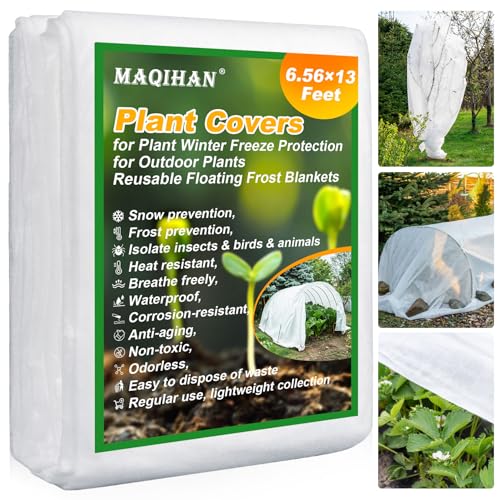
Product Features: Our plant covers are ideal for protecting all plant. Made from premium 1 oz/sq non-woven fabric, their durability and breathability ensuring both insulation against frost and facilitation of sunlight penetration for healthy plant growth
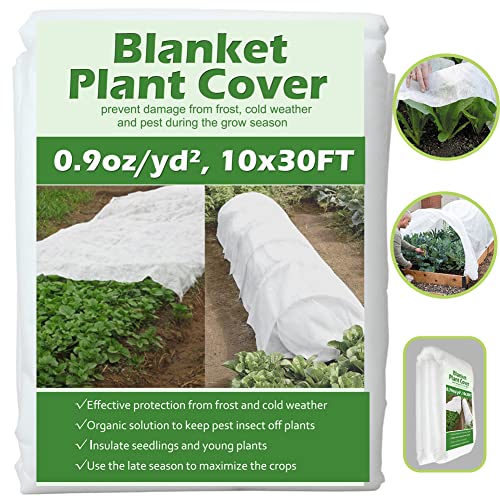
※Big Size to cover large area : The size of our plant cover is 10x30ft, the size can cover large areas. You can cut the plant covers freeze protection into different sizes for different use. You can cover it over the plant such as shrub tomato, pepper, pumpkin, and so on.

The Large plant cover is perfect for Plant size 55''-70"high and 84''-94" round, Heavy-weight FRCs (1.77oz./sq. yard): usually used to extend the growing season in spring and fall, allow 40%-60% light transmittance, and recommend 3°-8°F of freeze protection
Soil Moisture Management for Avocado Trees
Successfully growing avocado trees in Vermont requires careful attention to soil moisture management. The unique climate conditions of New England can pose challenges, making it essential to understand how to maintain the right moisture levels for optimal tree health. This section will explore effective strategies to ensure your avocado trees thrive despite the cold.
Maintaining appropriate soil moisture is vital for the health of avocado trees. Overwatering or underwatering can lead to stress, making trees more susceptible to cold damage. Use these methods to monitor and manage moisture:
Check soil moisture regularly: Use a moisture meter or your finger to gauge moisture levels.
Water deeply but infrequently: This encourages deep root growth and resilience.
Adjust watering based on weather: Increase watering during dry spells and reduce it during rainy periods.
Proper moisture management can enhance the tree’s ability to withstand cold temperatures.
Fertilization Strategies for Cold-Hardy Avocados
Fertilizing cold-hardy avocado trees in Vermont requires careful consideration of the unique climate and soil conditions. Proper nutrient management not only supports healthy growth but also enhances the trees’ resilience against the challenges posed by colder temperatures. Understanding the best fertilization strategies can significantly impact the success of cultivating these trees in New England.
Fertilization plays a key role in the overall health of avocado trees. A well-fertilized tree is more resilient to cold stress. Follow these guidelines for effective fertilization:
Use a balanced fertilizer: Choose one with equal parts nitrogen, phosphorus, and potassium.
Apply in spring: Fertilize when the tree begins to show new growth.
Avoid over-fertilization: Too much fertilizer can lead to salt buildup and root damage.
Regular fertilization can support healthy growth and improve cold hardiness.
Cold-Hardy Avocado Varieties for Vermont
Growing avocado trees in Vermont presents unique challenges due to the region’s cold climate. However, certain cold-hardy varieties can thrive despite the harsh winters. Understanding which avocado types are best suited for New England’s conditions is crucial for successful cultivation.
| Variety | Cold Tolerance | Fruit Quality | Growth Habit |
|---|---|---|---|
| Bacon | 26°F | Medium | Upright |
| Fuerte | 28°F | High | Spreading |
| Mexicola | 20°F | Excellent | Upright |
This table summarizes key characteristics of cold-hardy avocado varieties, aiding in selection for Vermont’s climate.
Greenhouse Strategies for Avocado Success
Growing avocado trees in Vermont presents unique challenges due to the region’s cold climate. Implementing effective greenhouse strategies can significantly enhance the chances of success for these tropical plants. By creating a controlled environment, gardeners can provide the warmth and humidity necessary for avocados to thrive despite the harsh New England winters.
For those who want to ensure success, growing avocado trees in a greenhouse or indoors can be an effective strategy. This controlled environment allows for optimal temperature management. Consider these steps:
Choose a well-ventilated space: Ensure good airflow to prevent mold and pests.
Use grow lights: Supplement natural light during short winter days.
Monitor temperature and humidity: Maintain ideal conditions for growth.
Indoor or greenhouse growing can provide a stable environment for avocado trees.
Recommended Products

3-Tier Greenhouse Kit - The desktop sturdy shelving in this small greenhouse are 23-inches-wide, have 17-inches of height spacing, and hold up to 45lbs each to provide ample room for trays, pots, or planters for small to medium plants.

Built-In Auto Timer & 4-Level Dimmer, No External Timer Needed. DOMMIA smart controller: 6/12/16H auto cycle timer, 4 brightness levels (25%-100%), power-loss memory resumes your last setting. Unlike typical T5 tube lights needing separate timers with one brightness, everything is built into one USB-powered controller. Set it and forget it
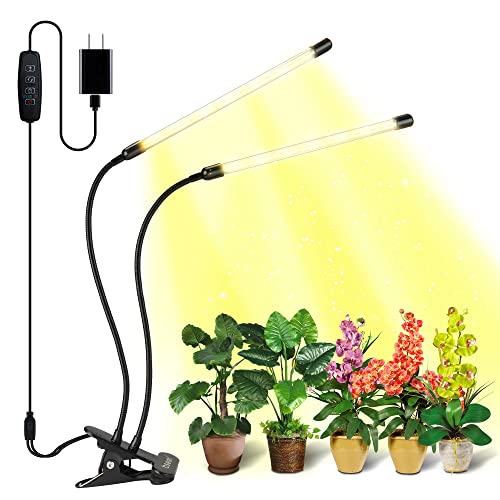
Full Spectrum LED with Yellow and White Combination: Bseah led grow light can promote photosynthesis, germination, growth, flowering and fruiting of plants.
Seasonal Care Strategies for Avocado Trees
Caring for avocado trees in Vermont requires a tailored approach due to the region’s unique climate challenges. Seasonal care strategies are essential for ensuring these trees thrive despite cold temperatures and variable weather conditions. Understanding the specific needs of avocado trees throughout the year can help gardeners successfully cultivate this tropical favorite in New England.
Seasonal care is essential for the health of avocado trees in Vermont. Adjusting care practices based on the season can enhance tree resilience. Key practices include:
Prune in late winter: This encourages new growth and improves air circulation.
Inspect for pests: Regular checks can prevent infestations that weaken trees.
Adjust watering in fall: Reduce watering as trees prepare for dormancy.
Seasonal adjustments can help trees adapt to Vermont’s climate.
Frost Protection Strategies for Avocado Trees
Avocado trees, typically associated with warmer climates, face unique challenges in Vermont’s cold environment. Understanding effective frost protection strategies is essential for their successful cultivation in New England. This section explores practical methods to safeguard these trees from frost damage, ensuring they thrive despite the region’s harsh winters.
Frost can cause irreversible damage to avocado trees. Implement protective measures early to prevent loss.
Recommended Products

PACKAGE: The package includes 4Pcs plant covers,will meet your daily use or replacement. Measuring 31.5" x 47.3", the plant protector is waterproof, windproof.

THICKER MATERIAL: Our plant freeze protection cover is made of UV stabilized polypropylene. Upgraded thicker 0.9oz./sq.yard lightweight but durable. Soft plant covers are friendly and no harm to your plants. Breathable non-woven fabric allow light, air go through the frost cloths and reach the plants.

BETTER SOLUTION FOR DOING ORGANIC GARDENING:If you are doing organic gardening, or just want to reduce pesticide use, Remiawy shrub winter covers are the better choice for you. Reusable season after season,this quality winter shrub cover is made from tear-proof and breathable fabric. The material allows air and moisture to reach plants. Remiawy plant covers for animal protection will help protect branches buds and fruits from hungry deer,rabbits,worms and birds
Successful Avocado Cultivation in Vermont
Growing avocado trees in Vermont presents unique challenges due to the region’s cold climate. However, with the right techniques and careful planning, it is possible to cultivate these tropical plants successfully. This section explores effective strategies for overcoming the cold-hardiness limitations and ensuring healthy avocado growth in New England.
Growing avocado trees in Vermont requires careful planning and attention to detail. By selecting the right varieties, preparing your site, and implementing protective measures, you can cultivate healthy trees that thrive in New England’s cold climate.
