

Growing orange trees in Indiana requires careful selection of varieties suited to the state’s climate. The best options include cold-hardy cultivars that can withstand the region’s winter temperatures and fluctuating weather conditions.
Cold-Hardy Orange Tree Selections for Indiana
In Indiana’s unique climate, selecting the right cold-hardy orange tree varieties is essential for successful cultivation. This section explores the best options that can withstand the state’s chilly winters while still producing sweet, vibrant fruit. Understanding these selections will help gardeners thrive in the Hoosier State.
Choosing the right orange tree variety is crucial for successful cultivation in Indiana. The state experiences cold winters, making it essential to select varieties that can tolerate lower temperatures. Some recommended varieties include:
Satsuma: Known for its sweet flavor and cold tolerance.
Kiyomi: A hybrid that offers good adaptability and disease resistance.
Tangerine: Provides a similar flavor profile with added hardiness.
| Variety | Cold Hardiness | Flavor Profile | Growth Habit |
|---|---|---|---|
| Satsuma | -10°F | Sweet | Compact |
| Kiyomi | -5°F | Tangy | Upright |
| Tangerine | -10°F | Sweet-Tart | Spreading |
Recommended Products

No ship to CA, Suitable for USDA growing zones 8–11

No ship to CA, suitable for patios, balconies, outdoor gardens, or container planting

More than 50 years of research has gone into developing cherry trees with cold hardiness, dwarf stature and good fruit quality.
Soil Preparation for Indiana Orange Trees
Preparing the right soil is crucial for successfully growing orange trees in Indiana. The unique climate and soil conditions of the Hoosier State require careful consideration to ensure optimal growth and fruit production. Understanding the specific needs of orange trees will help you create a thriving environment for these citrus plants.
Soil preparation is vital for the health of your orange trees. Indiana’s soil may require amendments to ensure proper drainage and nutrient availability. Follow these steps to prepare your soil:
Test Soil pH: Aim for a pH between 6.0 and 7.0.
Amend Soil: Incorporate organic matter such as compost to improve fertility.
Ensure Drainage: Avoid waterlogged conditions by planting in raised beds if necessary.
Poor soil conditions can lead to root rot and tree decline.
Recommended Products

Kindly NOTE: This soil tester can not be applied to test pH value of any other liquid. If the soil is too dry the indicator will not move, and water it before testing.

Quick, at home results for Soil pH, Nitrogen, Phosphorous and Potash Innovative and inexpensive soil test kit features an easy-to-use capsule system and patented color comparators

Accurate Soil pH Testing: Dewildetradingco Soil pH Test Strips offer measurements of soil pH levels (pH 3.5-9). As an essential tool for every gardener and grower, these test strips help determine the optimal pH for various plants, such as outdoor plants, indoor plants, gardens, grass lawns, fruit trees, flowers, vegetables, and forest shrubs.
Optimal Spring Planting for Orange Trees
Spring presents an ideal opportunity for planting orange trees in Indiana, as the season’s warmer temperatures and increased sunlight foster healthy growth. Understanding the specific conditions and practices that enhance the success of these trees is essential for Hoosier gardeners. This section will explore the best strategies for planting orange trees during this crucial time.
Timing your planting can significantly impact the success of your orange trees. The best time to plant is in the spring after the last frost. Follow these steps for successful planting:
Choose a Sunny Location: Ensure at least 6-8 hours of sunlight daily.
Dig a Hole: Make a hole twice the width of the root ball.
Position the Tree: Place the tree at the same depth it was in the nursery.
Backfill and Water: Fill the hole with soil and water thoroughly.
Maintain Trees Through Seasonal Changes
Maintaining orange trees in Indiana requires careful attention to their needs throughout the changing seasons. Each phase of growth presents unique challenges and opportunities, from protecting young trees during harsh winters to ensuring proper watering and fertilization in the warmer months. Understanding these seasonal changes is crucial for fostering healthy trees and maximizing fruit production.
Regular maintenance is necessary to keep your orange trees healthy throughout the seasons. This includes watering, pruning, and pest management. Here’s how to maintain your trees effectively:
Watering: Water deeply but infrequently to encourage deep root growth.
Pruning: Remove dead or crossing branches to improve airflow.
Pest Management: Monitor for common pests like aphids and scale. Use organic insecticides as needed.
Recommended Products

FOR USE ON: Use Citrus-tone organic fertilizer for all citrus trees, including lemon, lime, orange, Meyer Lemon Trees as well as for avocado & nut trees
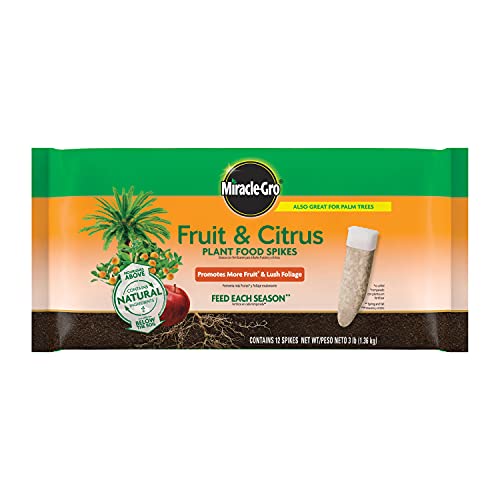
FORMULATED FOR CITRUS AND FRUIT TREES: Use these citrus fertilizer spikes on apple, orange, lemon, lime, and avocado trees; this formula is also great for feeding palm trees

Balanced Organic Nutrition – Supplies a 6‑3‑3 NPK ratio along with calcium, sulfur, iron, and zinc to foster healthy foliage, flowering, and fruit.
Citrus Fertilization for Optimal Growth
Fertilizing orange trees is crucial for healthy growth and fruit production, especially in Indiana’s unique climate. Understanding the specific nutrient needs of these citrus trees can significantly enhance their development and yield. This section provides essential guidelines for effective fertilization practices tailored to the Hoosier State’s conditions.
Fertilization is essential for robust growth and fruit production. Use a balanced fertilizer designed for citrus trees. Follow these guidelines:
Frequency: Fertilize three times a year—early spring, mid-summer, and late summer.
Application: Apply according to package instructions based on tree size.
| Fertilizer Type | Application Rate | Frequency |
|---|---|---|
| Citrus Fertilizer | 1 lb per tree | 3 times/year |
| Organic Compost | 2-3 inches layer | Annually |
Winter Protection Strategies for Orange Trees
In Indiana, the cold winter months pose significant challenges for growing orange trees. To ensure these trees thrive despite harsh conditions, it’s essential to implement effective winter protection strategies. This section outlines practical methods to safeguard your orange trees, helping them survive and flourish in the Hoosier State.
Indiana winters can be harsh on orange trees. Implement protective measures to ensure survival through the cold months. Consider the following strategies:
Mulching: Apply a thick layer of mulch around the base to insulate roots.
Wrap Trees: Use burlap or frost cloth to wrap young trees.
Move Potted Trees Indoors: If growing in pots, bring them inside during extreme cold.
Failing to protect trees can result in frost damage and loss of fruit.
Harvesting Techniques for Indiana Oranges
Harvesting oranges in Indiana requires careful timing and technique to ensure the fruit reaches its peak flavor and quality. Understanding the optimal conditions for picking, along with the proper methods for handling and storing the fruit, is essential for a successful harvest in the unique climate of the Hoosier State. This section outlines effective strategies for maximizing your orange yield.
When your orange trees begin to bear fruit, it’s time to enjoy the harvest. Typically, oranges are ready for picking when they reach full color and feel slightly soft to the touch. Follow these steps for harvesting:
Check Color: Look for a vibrant orange hue.
Test Firmness: Gently squeeze the fruit.
Cut Carefully: Use pruning shears to avoid damaging the tree.
Harvesting at the right time ensures the best flavor and quality.
