

Tangerine trees in Georgia thrive with proper care and attention to environmental conditions. Ensuring optimal soil quality and irrigation techniques can significantly enhance your harvest yield.
Soil Quality Essentials for Tangerine Trees
The success of tangerine trees in Georgia largely hinges on the quality of the soil in which they are planted. Understanding the essential soil characteristics can significantly enhance growth and fruit yield. This section delves into the key factors that contribute to optimal soil conditions for thriving tangerine trees.
Tangerine trees prefer well-drained, sandy loam soils with a pH between 5.5 and 6.5. Testing soil quality is essential to identify nutrient deficiencies and pH imbalances. Amending the soil with organic matter can improve drainage and nutrient availability.
| Soil Component | Ideal Range | Recommended Action |
|---|---|---|
| pH Level | 5.5 – 6.5 | Test and amend |
| Organic Matter | 3% or more | Add compost or mulch |
| Drainage | Well-drained | Improve with sand or perlite |
Choosing Optimal Tangerine Varieties for Georgia
Selecting the right tangerine varieties is crucial for maximizing harvests in Georgia’s unique climate. With a range of options available, understanding the specific traits and adaptability of each variety can significantly impact fruit quality and yield. This section explores the best choices for local growers aiming for a successful tangerine crop.
Choosing the right variety is crucial for successful cultivation in Georgia’s climate. Some varieties are more resistant to local pests and diseases. Researching the specific needs of each variety will help you make an informed decision.
Top Tangerine Varieties for Georgia
When cultivating tangerines in Georgia, selecting the right variety is crucial for achieving a bountiful harvest. This section explores the top tangerine varieties that thrive in Georgia’s climate, focusing on their unique characteristics and benefits. Understanding these options will help growers make informed choices to enhance their fruit production.
Satsuma: Cold-hardy and easy to peel.
Clementine: Sweet and seedless, ideal for fresh eating.
Honey: Known for its sweetness, requires careful management.
Irrigation Strategies for Healthy Tangerine Trees
Effective irrigation is crucial for cultivating healthy tangerine trees in Georgia. Understanding the specific water needs of these trees can significantly enhance fruit quality and yield. This section explores various irrigation strategies tailored to optimize growth and ensure a bountiful harvest.
Proper irrigation is vital for tangerine tree health. Overwatering can lead to root rot, while underwatering can stress the trees. A drip irrigation system is often the best choice for delivering consistent moisture.
Recommended Products
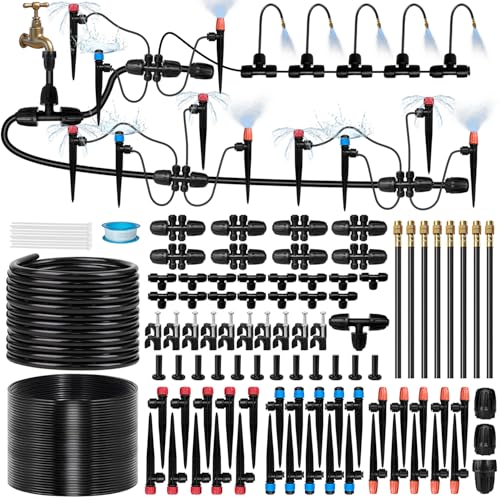
【Upgraded Tube Design & Water Saving】 Our garden watering system is upgraded to 1/2” diameter to support high water pressure. The 1/2” tee connector allows seamless splitting into 2 independent zones for customized watering schedules. By delivering moisture directly to root zones, this drip Irrigation system significantly reduces evaporation and runoff—saving more water compared to conventional sprinklers while eliminating the need for manual watering.

🍀【Extra-Long 50FT 5/16” Mainline Tubing】 With 50 feet of premium 5/16” main tubing, you have more flexibility to build a central watering path across larger garden layouts. The enhanced flow capacity supports multiple emitters with consistent water pressure throughout your irrigation zones.

【Universal 1/4 Inch Size Set】- Designed for US market compatibility,MIXC new drip irrigation system set uses 1/4 inch (6mm) components to address potential mismatches with standard hoses, unlike some 5/16 inch systems. It includes 2-way connectors, tubing, and 3-way connectors to help users set up DIY garden irrigation more conveniently.
Optimal Irrigation for Tangerine Trees
Effective irrigation is crucial for maximizing the yield of tangerine trees in Georgia. Understanding the specific water needs of these trees can lead to healthier growth and a more abundant harvest. This section explores the best practices for irrigation to ensure optimal fruit production.
Frequency: Water every 7-10 days during dry spells.
Amount: Apply 1-2 inches of water per week.
Monitoring: Use soil moisture sensors to adjust watering schedules.
Effective Pest Management for Tangerine Trees
Managing pests effectively is crucial for ensuring a bountiful harvest of tangerines in Georgia. This section explores various strategies and techniques tailored to protect these trees from common pests, enhancing both yield and fruit quality. By understanding pest behavior and implementing targeted management practices, growers can significantly improve their tangerine production.
Pests and diseases can severely impact tangerine harvests. Regular monitoring and proactive management strategies are essential for maintaining tree health. Integrated pest management techniques can help reduce chemical use while protecting your crop.
Recommended Products
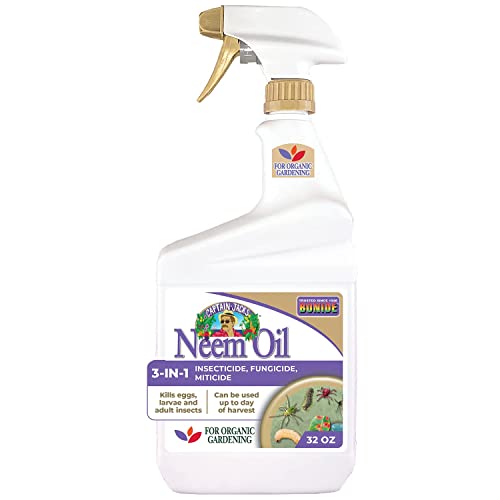
Protect your oasis with 3 garden products in 1 from Captain Jack’s; Bonide Captain Jack’s Ready-to-Use Neem Oil spray for plants is a multi-purpose fungicide, insecticide and miticide for your lawn & garden

PLANT DISEASE CONTROL: Natria Neem Oil acts as an insecticide and fungicide in one convenient spray; Ready-to-use trigger sprayer requires no mixing

FUNGAL DISEASE CONTROL: Prevents and controls black spot on roses, powdery mildew, rust, downy mildew, and other listed fungal diseases when applied on a 7–14 day schedule
Pest Control Techniques for Tangerine Trees
Effective pest control is essential for maximizing the yield of tangerine trees in Georgia. By understanding common pests and employing targeted strategies, growers can protect their crops and enhance fruit quality. This section explores various techniques that can help ensure a healthier harvest and a thriving orchard.
Aphids: Use insecticidal soap or neem oil.
Spider Mites: Increase humidity and introduce beneficial insects.
Citrus Canker: Prune affected areas and apply copper fungicides.
Fertilization Strategies for Tangerine Trees
Proper fertilization is crucial for maximizing the yield of tangerine trees in Georgia. Understanding the specific nutrient needs of these trees can significantly enhance fruit quality and overall health. This section explores effective fertilization strategies tailored to the unique growing conditions in the region, ensuring a bountiful harvest.
Regular fertilization supports healthy tree growth and fruit production. A balanced fertilizer with micronutrients will provide essential nutrients. Timing your fertilization is critical for maximizing absorption.
Recommended Products

Made for Citrus Tree Plants – Formulated to support healthy growth for Citrus trees and other indoor plants.

FORMULATED FOR CITRUS AND FRUIT TREES: Use these citrus fertilizer spikes on apple, orange, lemon, lime, and avocado trees; this formula is also great for feeding palm trees

Package contains 9 fruit and citrus fertilizer spikes and is produced to avoid wasteful runoff, mess, hazards and smells
Tangerine Tree Fertilization Timing
Understanding the optimal timing for fertilizing tangerine trees is crucial for achieving a bountiful harvest in Georgia. Proper nutrient application not only enhances fruit quality but also supports tree health throughout the growing season. This section will delve into the best practices for fertilization, ensuring your tangerine trees thrive and produce abundant fruit.
Early Spring: Apply a balanced fertilizer.
Mid-Summer: Use a slow-release formula.
Fall: Apply a potassium-rich fertilizer to enhance fruit quality.
Tangerine Harvest Timing and Techniques
Understanding the optimal timing and techniques for harvesting tangerines is crucial for maximizing yield and flavor. This section delves into the best practices for determining when to pick your tangerines, ensuring that each fruit reaches its peak ripeness. By following these guidelines, you can enhance your harvest and enjoy the full benefits of your tangerine trees in Georgia.
Timing is key when harvesting tangerines. Picking fruit at the right stage of ripeness ensures the best flavor and quality. Use proper techniques to avoid damaging the trees or fruit.
Optimal Tangerine Harvesting Techniques
Harvesting tangerines at the right time and using effective techniques can significantly enhance the quality and yield of your crop. Understanding the optimal practices for tangerine harvesting in Georgia is essential for maximizing your harvest and ensuring the fruit reaches its full flavor potential. This section explores proven methods that can lead to a more fruitful tangerine season.
Check Color: Look for a bright orange hue.
Test Firmness: Gently squeeze to check ripeness.
Use Pruners: Cut the stem to avoid damage.
Tangerine Tree Climate Monitoring Techniques
Monitoring the climate conditions for tangerine trees is essential for optimizing their growth and fruit production. By employing specific techniques, growers can gather valuable data on temperature, humidity, and soil moisture, which directly influence the health and yield of their trees. Understanding these factors can lead to a more successful harvest and healthier crops in Georgia’s unique climate.
Georgia’s climate can be unpredictable, affecting tangerine tree growth. Monitoring temperature, humidity, and rainfall will help you make informed decisions about care and maintenance.
Temperature Tracking for Tangerine Trees
Monitoring temperature is crucial for optimizing the growth and yield of tangerine trees in Georgia. Understanding the specific temperature requirements and fluctuations can help growers make informed decisions about care and harvesting. This section delves into effective methods for tracking temperature to ensure a bountiful tangerine harvest.
Thermometers: Track temperature fluctuations.
Hygrometers: Measure humidity levels.
Rain Gauges: Monitor rainfall for irrigation adjustments.
Harvest Evaluation for Improved Yields
Evaluating the harvest of tangerine trees is crucial for maximizing yields and ensuring a fruitful season. By analyzing various factors such as fruit size, quality, and overall tree health, growers can identify areas for improvement. This section delves into effective evaluation techniques that can lead to better harvest outcomes in Georgia’s unique climate.
After harvest, evaluating results can provide insights for future improvements. Documenting yield, fruit quality, and any issues encountered will help refine your cultivation practices.
Total Yield Assessment for Tangerine Trees
Understanding the total yield of tangerine trees is crucial for optimizing harvests in Georgia. This section delves into key factors influencing fruit production, including tree health, environmental conditions, and cultivation practices. By assessing these elements, growers can implement strategies to enhance their tangerine yields and ensure a more fruitful season.
Total Yield: Measure total fruit collected.
Fruit Size: Record average fruit size for quality assessment.
Pest Incidence: Note any pest issues encountered during the season.
Taking these steps will ensure a better tangerine harvest in Georgia. Proper soil management, variety selection, and pest control are essential for success.
