

Growing lemon trees in Missouri can be rewarding with the right techniques. By selecting the appropriate varieties and following specific care guidelines, you can cultivate healthy trees that produce flavorful lemons.
Best Lemon Tree Varieties for Missouri
When selecting lemon tree varieties for Missouri, it’s essential to consider the local climate and soil conditions. Certain types thrive better in the region’s unique environment, offering the best chances for healthy growth and fruitful yields. Understanding these varieties will help you make informed choices for a successful lemon tree garden.
Choosing the right lemon tree variety is crucial for success in Missouri’s climate. The most suitable types for this region include:
Improved Meyer Lemon: This hybrid is more cold-tolerant and thrives in containers.
Ponderosa Lemon: Known for its large fruit, it can handle cooler temperatures.
Eureka Lemon: A popular choice, but it requires more protection from frost.
Consider your available space and whether you plan to grow in the ground or in pots. Container growth allows for easier relocation during cold spells.
Recommended Products

4 kinds of the most popular fruits, individually packaged, 50pcs Lemon seeds 50pcs Cherry seeds 50pcs Orange seeds 50pcs Apple seeds Fresh seeds, all fruit seeds are packed in tear and moisture resistant zipper sealed bags for your long term storage.

These aren't your average grocery store lemons. Meyer Lemons bring a unique twist, a delightful cross between the tang of traditional lemons and the sweetness of oranges. Unlike store-bought lemons selected for shelf life, these beauties boast thin skins that burst with flavor, perfect for raw juices, desserts, and adding zest to your dishes.

30 Count for Multiple Starts. Includes 30 pieces per pack, allowing staggered planting or repeat attempts. Suitable for growers choosing propagation instead of purchasing lemon trees live plants.
Optimal Soil Preparation for Lemon Trees
Preparing the right soil is crucial for successfully growing lemon trees in Missouri’s unique climate. This section delves into the specific soil requirements, including pH levels and nutrient content, to ensure your lemon trees thrive. By understanding the optimal conditions, you can create a fertile environment that promotes healthy growth and abundant fruit production.
Soil preparation is essential for healthy lemon trees. The ideal soil should be well-draining and rich in organic matter. Follow these steps:
Test the soil pH to ensure it ranges from 5.5 to 6.5.
Amend the soil with compost or well-rotted manure to improve fertility.
Add perlite or sand to enhance drainage if necessary.
Use a soil test kit to assess nutrient levels and adjust accordingly. Proper soil conditions promote strong root development.
Missouri Lemon Tree Watering Strategies
Successfully growing lemon trees in Missouri requires careful attention to watering practices that suit the local climate. Understanding the specific needs of these trees during different growth stages will help ensure they thrive in the region’s unique conditions. This section will explore effective watering strategies tailored for Missouri’s environment.
Watering is critical for the health of lemon trees. In Missouri, the climate can fluctuate, so it’s important to adjust your watering routine. Here are key points to remember:
Water deeply once a week during dry spells.
Use mulch to retain moisture and regulate soil temperature.
Monitor for signs of overwatering, such as yellowing leaves.
Establish a consistent watering schedule, especially during the growing season. This ensures your trees receive adequate hydration without waterlogging.
Fertilization Techniques for Missouri Lemon Trees
Fertilizing lemon trees in Missouri requires a tailored approach to meet the specific needs of this citrus variety in a temperate climate. Understanding the right nutrients and timing can significantly enhance growth and fruit production. This section delves into effective fertilization techniques that will help you cultivate healthy, thriving lemon trees in your garden.
Regular fertilization supports the growth and fruiting of lemon trees. Use a balanced fertilizer designed for citrus trees. Follow these guidelines:
Fertilize every 6-8 weeks during the growing season.
Apply according to package instructions based on tree size.
Avoid fertilizing in late fall or winter.
Proper fertilization enhances fruit quality and tree vigor. Monitor your trees for nutrient deficiencies, which can manifest as leaf discoloration.
Missouri Lemon Tree Pest Management Strategies
Managing pests effectively is crucial for the health and productivity of lemon trees in Missouri. This section will explore specific strategies tailored to the region’s unique climate and pest challenges, ensuring your lemon trees thrive despite potential threats. By understanding local pest behaviors and control methods, you can protect your trees and enjoy a bountiful harvest.
Pests and diseases can threaten lemon tree health. Common issues in Missouri include aphids, spider mites, and fungal infections. Implement these strategies:
Inspect leaves regularly for pests.
Use insecticidal soap or neem oil for pest control.
Prune infected branches to prevent disease spread.
Maintain good air circulation around the tree to reduce disease risk. Early detection is key to effective management.
Common Pests Affecting Missouri Lemon Trees
Missouri’s unique climate can attract a variety of pests that threaten the health of lemon trees. Understanding these common pests is essential for successful cultivation, as they can impact growth and fruit production. This section will explore the most prevalent pests in the region and offer strategies for effective management.
| Pest | Symptoms | Treatment |
|---|---|---|
| Aphids | Curling leaves | Insecticidal soap |
| Spider mites | Fine webbing on leaves | Neem oil |
| Scale insects | Sticky residue on leaves | Horticultural oil |
| Fungal infections | Wilting and discoloration | Fungicide application |
Winter Protection Strategies for Missouri Lemon Trees
Growing lemon trees in Missouri presents unique challenges, particularly during the harsh winter months. To ensure their survival and productivity, it’s essential to implement effective winter protection strategies tailored to the local climate. This section will explore practical methods to safeguard your lemon trees from cold temperatures and frost damage.
Missouri winters can be harsh, making winter care essential for lemon trees. Consider these protective measures:
Bring container trees indoors to a sunny location.
Wrap the trunk of in-ground trees with burlap for insulation.
Use frost cloths during extreme cold snaps.
Monitoring weather forecasts helps in taking timely action. Protecting your trees ensures they survive and thrive through winter.
Recommended Products

Extra Thick Tree and Plant Covers for Winter: Scrubits Frost Blankets for outdoor plants and Trees will ensure that your Trees and large plants not only survive the winter but thrive and grow to blossom. With its extra thick fabric and long-lasting material, you can be confident about next year's harvest.

More Sizes Plant Jacket Covers Freeze Protection: The Garutom frost plant covers are available in three sizes 42" x 45", 48" x 72", 78" x 89", you can choose the size you need the most. For better plant freeze protection, we suggest you to choose a slightly larger cover
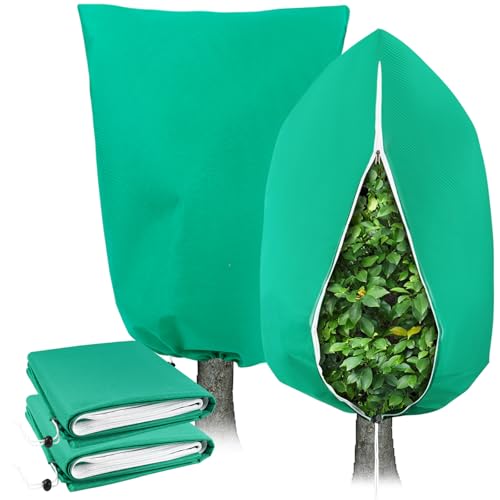
PLANT COVERS FREEZE PROTECTION FOR WINTER:You will receive 2 pack 47 * 72 inch frost blankets cloths for outdoor plants, designed specifically for outdoor plant protection, which can resist frost, snow, rain, wind, hail, animals, insects, birds, etc. Frost cloths for outdoor plants providing sufficient coverage space and is very suitable for shrubs, small trees, flowers, vegetables, etc
Essential Supplies for Missouri Lemon Cultivation
Growing lemon trees in Missouri requires careful preparation and the right tools. Understanding the essential supplies needed for successful cultivation can make a significant difference in your gardening experience. From soil amendments to protective gear, having the right items on hand will help ensure your lemon trees thrive in the local climate.
When growing lemon trees, having the right supplies is important. Here’s a checklist to help you get started:
Quality lemon tree seedlings
Well-draining pots or soil
Balanced fertilizer for citrus
Organic mulch for moisture retention
Insecticidal soap or neem oil for pest control
Gathering these items will set you up for successful lemon tree cultivation. Proper preparation ensures your trees have the best chance for growth and fruit production.
