

Growing lemon trees in Maryland can be a rewarding venture with the right techniques. By selecting the appropriate varieties and implementing effective care strategies, gardeners can achieve successful growth in the Mid-Atlantic climate.
Best Lemon Tree Varieties for Maryland
When selecting lemon trees for Maryland’s unique climate, it’s essential to choose varieties that thrive in the Mid-Atlantic region. The right selection can enhance your gardening success, ensuring vibrant growth and fruitful yields. Here are some of the best lemon tree varieties suited for Maryland’s conditions.
Choosing the right lemon tree variety is crucial for successful growth in Maryland. Some varieties are more adaptable to cooler climates than others. Consider the following options:
Improved Meyer Lemon: This hybrid is known for its cold tolerance and sweeter fruit.
Ponderosa Lemon: A hardy variety that can withstand cooler temperatures.
Eureka Lemon: A prolific producer but may require more protection from frost.
Each variety has unique characteristics that can influence your gardening success.
Maryland Climate Challenges for Lemon Trees
Growing lemon trees in Maryland presents unique challenges due to the region’s climate. With its distinct seasons and varying temperatures, understanding these environmental factors is crucial for successful cultivation. This section explores the specific climate-related hurdles that lemon tree enthusiasts in Maryland must navigate to ensure healthy growth and fruitful harvests.
Maryland’s climate presents challenges for growing lemon trees. The state experiences cold winters and varying humidity levels. Understanding these factors can help you make informed decisions about planting and care.
Winter Hardiness: Lemon trees are typically not frost-tolerant. Protect them with frost cloths or bring potted trees indoors during cold snaps.
Humidity Levels: High humidity can lead to fungal diseases. Ensure good airflow around your trees.
Knowing how to manage these conditions will enhance your chances of success.
Lemon Tree Care Techniques for Maryland
Caring for lemon trees in Maryland requires a tailored approach to accommodate the region’s unique climate and soil conditions. By understanding specific care techniques, gardeners can successfully cultivate these citrus trees, ensuring healthy growth and fruitful yields. This section outlines essential practices that will help maximize the potential of lemon trees in the Mid-Atlantic environment.
Proper care is vital for the health of your lemon trees. Implementing the following techniques can lead to robust growth and abundant fruit production.
Soil Requirements: Use well-draining soil with a pH between 5.5 and 6.5. Amend with organic matter to improve drainage.
Watering Schedule: Water deeply but infrequently. Allow the top inch of soil to dry out between waterings to prevent root rot.
Fertilization: Use a balanced fertilizer every 6-8 weeks during the growing season. Look for fertilizers specifically formulated for citrus.
These care techniques can significantly impact the overall health of your trees.
Recommended Products

CITRUS PLANT FOOD: This avacado, mango and citrus fruit tree fertilizer feeds plants for up to 3 months and nourishes above and below the soil
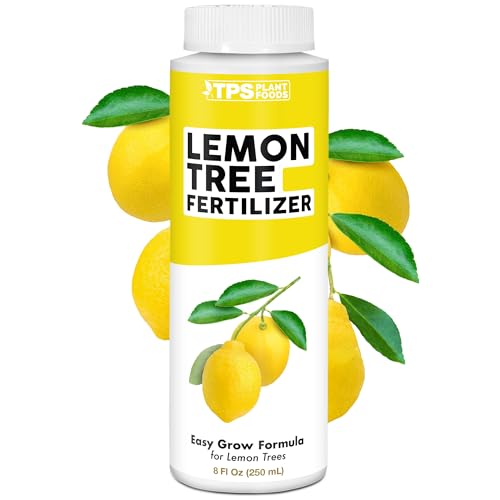
Made for Lemon & Citrus Trees – Formulated to support healthy growth in lemon and citrus plants.

Made for Lemon & Citrus Trees – Formulated to support healthy growth in lemon trees and citrus plants
Lemon Tree Variety Data for Maryland
When selecting lemon tree varieties for Maryland, it’s essential to consider the climate and soil conditions unique to the region. This section provides detailed information on the most suitable lemon tree varieties, highlighting their growth potential, resilience, and specific care requirements to ensure successful cultivation in the Mid-Atlantic environment.
| Variety | Cold Tolerance | Fruit Flavor | Growth Habit |
|---|---|---|---|
| Improved Meyer | Moderate | Sweet | Compact |
| Ponderosa | High | Tart | Large |
| Eureka | Low | Tart | Spreading |
This table provides a quick comparison of the most suitable lemon tree varieties for Maryland gardeners.
Lemon Tree Pest and Disease Control Techniques
Maintaining the health of lemon trees in Maryland requires vigilance against pests and diseases that can hinder their growth. Understanding effective control techniques is essential for ensuring these trees thrive in the Mid-Atlantic climate. This section outlines practical strategies to protect your lemon trees from common threats, promoting robust growth and fruitful yields.
Pests and diseases can hinder the growth of lemon trees. Implementing effective management strategies can keep your trees healthy.
Common Pests: Aphids, spider mites, and scale insects can infest lemon trees. Use insecticidal soap or neem oil for control.
Diseases: Watch for signs of root rot and leaf spot. Ensure proper watering and airflow to minimize risks.
Regular monitoring and prompt action can prevent serious issues.
Recommended Products


100% PURE & NATURAL NEEM OIL - Majestic Pure Blends oils are exactly that! Many oils being sold make that claim but are in fact made of natural isolates and mixtures. Each essential oil is tested by an independent lab which is why every bottle comes with a Quality Guaranty.

SOOTHING NEEM OIL SOAP BAR - This handcrafted bar is concentrated with 20% organic neem oil. It has no fragrance added and is handmade with only the finest quality organic oils
Lemon Tree Cultivation Strategies for Maryland
Growing lemon trees in Maryland presents unique challenges due to the region’s climate and soil conditions. However, with the right cultivation strategies, gardeners can successfully nurture these citrus trees. This section outlines effective techniques tailored to the Mid-Atlantic environment, ensuring vibrant growth and fruitful yields.
Establishing a successful lemon tree garden requires careful planning. Consider the following logistics to ensure optimal growth.
Planting Location: Choose a sunny spot with at least 8 hours of sunlight daily. Avoid areas with heavy shade.
Container vs. In-Ground: Decide whether to plant in containers or directly in the ground. Containers allow for easier mobility but may require more frequent watering.
Understanding these logistics will help you create an ideal environment for your lemon trees.
Winter Protection Strategies for Lemon Trees
As winter approaches in Maryland, protecting lemon trees becomes essential for their survival and productivity. The cold temperatures and potential frost can pose significant threats to these citrus plants, making it crucial to implement effective strategies. This section outlines practical methods to shield lemon trees from harsh winter conditions, ensuring they thrive come spring.
For optimal success, remember to provide adequate winter protection for your lemon trees. Use mulch to insulate roots and cover trees during frost events. Regularly check for pests and diseases to maintain tree health.
