

Growing orange trees in a pot in Colorado requires careful attention to altitude and climate. Selecting the right varieties and employing protective measures can lead to successful cultivation even in challenging conditions.
Choose Cold-Hardy Orange Varieties
Selecting the right orange tree variety is crucial for success in Colorado’s high altitudes. Cold-hardy varieties, such as Satsuma and Kiyomi, can tolerate cooler temperatures better than traditional types. These trees are more resilient and can thrive in pots, making them suitable for container gardening.
Cold-Hardy Orange Tree Varieties
When cultivating orange trees in pots at high altitudes in Colorado, selecting the right cold-hardy varieties is crucial. These specific types can withstand the region’s chilly temperatures while still producing flavorful fruit. Understanding which varieties thrive in these conditions will help ensure a successful and fruitful growing experience.
| Variety | Cold Hardiness | Flavor Profile | Growth Habit |
|---|---|---|---|
| Satsuma | 15°F | Sweet and juicy | Compact |
| Kiyomi | 20°F | Tangy and sweet | Upright |
| Kumquat | 18°F | Sweet and tart | Bushy |
Pot Type and Soil Mix for Orange Trees
Selecting the right pot and soil mix is crucial for successfully growing orange trees in Colorado’s high altitude. The unique climate conditions require careful consideration of materials that promote drainage and aeration while retaining moisture. Understanding these elements will help ensure your orange trees thrive despite the challenges posed by the environment.
The choice of pot and soil plays a significant role in the health of your orange tree. A well-draining pot is essential to prevent root rot. Look for pots made of terra cotta or ceramic with drainage holes.
Recommended Products

Pass Drop Test: All packages have undergone a drop test from a height of 3 feet to ensure they will remain intact during delivery
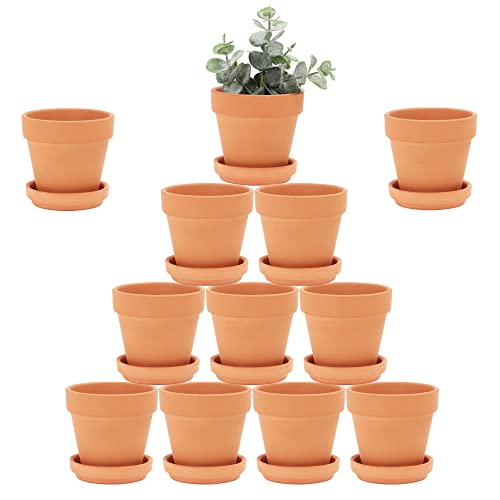
★【TERRACOTTA】 Yishang small terracotta pots with saucer made of Top-Quality clay and baked at 1796°F high temperature, each Terracotta Pots features great durability and crack resistance. All packages have passed the 3-foot drop test to ensure the pots stay intact during delivery.

Includes 2 pack rustic clay pots, measuring 5-1/4 x 5-1/4 inch ( height x Diameter). We have improved the package to make them arrive safely. Copy Right NO.: VA0002495186
Optimal Soil Mix for Potted Orange Trees
Creating the right soil mix is crucial for the success of potted orange trees, especially in Colorado’s high-altitude environment. The unique challenges posed by altitude and climate require a carefully balanced blend of components to ensure proper drainage, aeration, and nutrient availability. This section will explore the optimal soil mix that supports healthy growth and fruit production for your orange trees.
A suitable soil mix for orange trees should include:
Cactus mix for drainage
Compost for nutrients
Perlite to improve aeration
Creating a well-balanced soil mix will help ensure your tree receives adequate moisture without becoming waterlogged.
Watering Strategies for Potted Orange Trees
Watering potted orange trees in Colorado’s high altitude presents unique challenges that require careful attention. The arid climate and fluctuating temperatures can lead to rapid evaporation and soil dryness, making it essential to adopt effective watering strategies. Understanding the specific needs of these trees will help ensure healthy growth and fruitful yields.
Proper watering and fertilization are vital for the growth of orange trees in pots. High-altitude conditions can lead to rapid evaporation, so monitoring soil moisture is essential.
Deep Watering Techniques for Potted Oranges
Deep watering is essential for the health of potted orange trees, especially in Colorado’s high-altitude climate. This technique ensures that the roots receive adequate moisture while promoting deeper root growth, which is crucial for stability and nutrient absorption. Understanding how to effectively implement deep watering can significantly enhance the vitality and productivity of your orange trees.
Water deeply when the top inch of soil feels dry.
Use a moisture meter for accuracy.
Reduce watering in winter months.
Citrus Fertilizer Application Timing
Understanding the optimal timing for citrus fertilizer application is crucial for successfully growing orange trees in pots at high altitudes in Colorado. The unique climate conditions can affect nutrient uptake and overall tree health, making it essential to tailor your fertilization schedule to the specific needs of your orange trees throughout the growing season.
Use a balanced citrus fertilizer during the growing season.
Apply every 6-8 weeks.
Follow package instructions for dosage.
Temperature Protection for Potted Orange Trees
Growing orange trees in pots at high altitudes presents unique challenges, particularly in managing temperature fluctuations. Protecting these trees from cold snaps and extreme weather is crucial for their survival and fruit production. Understanding effective strategies for temperature protection can help ensure healthy growth and a fruitful harvest in Colorado’s variable climate.
Colorado’s temperature swings can be harsh for orange trees. Implementing protective measures can help mitigate damage from frost and extreme heat.
Recommended Products

Winter Plant Cover: The winter frost cover bag allows plants to absorb sunlight and water, and are protected from extreme cold frost, heavy rain and snow, and protect plants from birds, insects, deer, rabbits and other pests.

Premium Material - Made of 2.06 oz/yd²(70gsm) breathable, non-woven fabric, the frost blankets for outdoor plants are an affordable, durable, and convenient way to provide frost and cold protection to outdoor plants. Breathable yet waterproof, these winter plant covers allow sunlight to penetrate while shielding a plant from cold air and helping to maintain a consistent inner temperature.
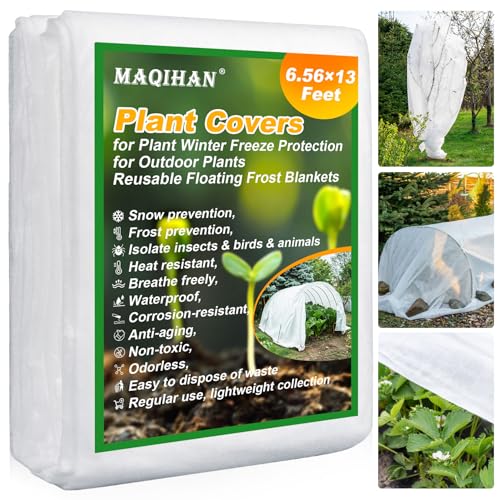
Product Features: Our plant covers are ideal for protecting all plant. Made from premium 1 oz/sq non-woven fabric, their durability and breathability ensuring both insulation against frost and facilitation of sunlight penetration for healthy plant growth
Frost Protection Techniques for Potted Oranges
Growing orange trees in pots at high altitudes in Colorado presents unique challenges, particularly when it comes to frost protection. With fluctuating temperatures and unexpected cold snaps, employing effective strategies is crucial for ensuring the health and productivity of your potted oranges. This section explores various techniques to safeguard your trees from frost damage.
Move pots indoors during frost warnings.
Use frost cloths to cover trees at night.
Position pots in a sheltered area to reduce wind exposure.
Temperature Tracking for Potted Orange Trees
Successfully growing orange trees in pots at high altitudes requires careful temperature management. In Colorado’s unique climate, fluctuations can significantly impact the health and productivity of your trees. Understanding how to monitor and respond to temperature changes is essential for nurturing vibrant, fruitful plants in this challenging environment.
Use a thermometer to track daily highs and lows.
Be vigilant during late spring and early fall for unexpected frosts.
Pruning Techniques for Colorado Orange Trees
Pruning is essential for maintaining the health and productivity of orange trees grown in pots, especially in Colorado’s challenging high-altitude climate. This section delves into effective pruning techniques tailored to enhance growth, improve air circulation, and encourage fruit production, ensuring your potted orange trees thrive despite the unique environmental conditions.
Regular pruning and training can enhance the shape and productivity of your orange tree. This practice encourages better air circulation and sunlight penetration, leading to healthier growth.
Pruning Strategies for Potted Orange Trees
Pruning is essential for maintaining the health and productivity of potted orange trees, especially in Colorado’s unique high-altitude environment. Proper pruning techniques can help manage growth, enhance air circulation, and promote fruit production. Understanding the specific strategies tailored for potted trees will ensure they thrive despite the challenges posed by altitude and climate.
Remove dead or crossing branches.
Trim back excessive growth to maintain shape.
Aim for an open center to improve airflow.
Staking Techniques for Young Orange Trees
Staking young orange trees is essential for their stability and growth, especially in Colorado’s high-altitude conditions. Proper support helps these trees withstand wind and encourages a strong, upright form as they develop. Understanding effective staking techniques can significantly enhance the success of your potted orange trees in this challenging environment.
Use stakes to support young trees.
Guide branches to create an even canopy.
Regularly inspect for pests or diseases.
Essential Supplies for Potted Orange Trees
Growing orange trees in pots at high altitudes in Colorado requires careful selection of supplies to ensure healthy growth and fruit production. From the right soil mix to suitable pots and fertilizers, each element plays a crucial role in creating an optimal environment for these citrus trees. Understanding these essentials will set you up for success in your container gardening journey.
| Supply Item | Purpose | Recommended Brand |
|---|---|---|
| Terra Cotta Pot | Provides drainage | Gardener’s Supply |
| Citrus Fertilizer | Nutrient supply | Miracle-Gro |
| Moisture Meter | Soil moisture monitoring | Dr. Meter |
| Frost Cloth | Frost protection | Gardener’s Edge |
Successful Potting Strategies for Orange Trees
Growing orange trees in pots at high altitudes presents unique challenges, especially in Colorado’s variable climate. Successful potting strategies are essential for ensuring these citrus trees thrive despite the cooler temperatures and fluctuating weather conditions. This section explores effective techniques for potting orange trees to maximize growth and fruit production in a challenging environment.
Growing orange trees in pots at high altitudes requires careful planning and consistent care. Choose the right variety and supplies to ensure your trees thrive despite challenging conditions.
