

Apricot trees can grow in Miami, FL, but selecting the right tropical variety is crucial for success. The climate in Miami presents unique challenges, so choosing a heat-tolerant and disease-resistant variety will yield the best results.
Tropical Apricot Varieties for Miami Cultivation
Miami’s warm climate presents unique opportunities for cultivating tropical apricot varieties that thrive in the region’s conditions. Understanding which specific types are best suited for local growth can enhance both yield and fruit quality. This section explores the most suitable tropical apricot varieties for successful cultivation in Miami, ensuring gardeners can make informed choices.
Growing apricot trees in Miami requires careful selection of varieties that thrive in tropical conditions. Traditional apricot varieties often struggle with humidity and heat. Tropical apricot varieties are bred to withstand these conditions while producing quality fruit.
Recommended Products

🌴 UNIQUE RED TRUNK ORNAMENTAL PALM: Lipstick Palm, also known as Sealing Wax Palm, is prized for its striking red crownshaft and tropical appearance.

Mango Palmer seedlings are grown from seeds of the Palmer mango variety, a well-known and prized mango cultivar that originated in Florida.

Imagine stepping into your backyard and seeing a rare tropical tree growing steadily, adding value, shade, and uniqueness to your space. This Ackee Tree (Blighia sapida) is more than just a plant — it’s a long-term investment in your outdoor lifestyle.
Tropical Apricot Varieties for Miami
Miami’s warm, tropical climate presents unique opportunities for growing apricot trees, but selecting the right varieties is crucial for success. This section explores the best tropical apricot varieties that thrive in the region, ensuring that local gardeners can enjoy the sweet rewards of their efforts. Understanding these options will help you cultivate healthy and productive trees in your backyard.
Here are some recommended tropical apricot varieties suitable for Miami’s climate:
| Variety Name | Description | Fruit Size | Flavor Profile | Harvest Time |
|---|---|---|---|---|
| Tropic Gold | A heat-tolerant variety with good disease resistance | Medium | Sweet and juicy | Late summer |
| Gold Kist | Known for its large fruit and high yield | Large | Sweet with a hint of tartness | Early summer |
| Katy | Produces small to medium fruit with excellent flavor | Small to medium | Sweet and fragrant | Late spring |
These varieties have been chosen for their adaptability and flavor, making them ideal for Miami gardeners.
Soil and Climate Requirements for Apricot Trees
Understanding the soil and climate requirements for apricot trees is essential for successful cultivation in Miami, FL. This tropical region presents unique challenges and opportunities that influence the growth of apricot varieties. By examining these factors, potential growers can make informed decisions to ensure healthy and productive trees.
Apricot trees thrive in well-drained soil with a pH between 6.0 and 7.5. Miami’s sandy soils can be beneficial, but proper amendments may be necessary. Adding organic matter can improve drainage and nutrient retention.
Recommended Products

Quick, at home results for Soil pH, Nitrogen, Phosphorous and Potash Innovative and inexpensive soil test kit features an easy-to-use capsule system and patented color comparators

Kindly NOTE: This soil tester can not be applied to test pH value of any other liquid. If the soil is too dry the indicator will not move, and water it before testing.

KNOW BEFORE YOU GROW | Grow the healthiest, sustainable lawn and garden with the most accurate and easy to use professional soil test kit on the market
Soil pH Testing for Apricot Trees
Understanding the soil pH is crucial for successfully growing apricot trees in Miami’s unique climate. The right pH level can significantly influence the health and productivity of these trees, ensuring they thrive in the tropical conditions. This section will explore the importance of soil pH testing and how to achieve optimal levels for apricot cultivation.
Test soil pH using a home testing kit.
Amend soil with compost or well-rotted manure to enhance fertility.
Ensure drainage by mixing in sand or perlite if the soil retains too much moisture.
These steps will create a suitable environment for apricot trees to flourish.
Optimal Planting Methods for Apricot Trees
When considering the successful cultivation of apricot trees in Miami’s unique climate, understanding the optimal planting methods is crucial. The right techniques can enhance growth and fruit production, ensuring that these trees thrive in the warm, humid conditions typical of the region. This section will explore effective strategies for planting apricot trees to maximize their potential in a tropical environment.
Timing and technique are essential when planting apricot trees in Miami. The best time to plant is in early spring after the last frost. Proper planting techniques can help establish strong root systems.
Optimal Planting Location for Apricot Trees
When considering the cultivation of apricot trees in Miami, FL, selecting the right planting location is crucial for their success. The tropical climate presents unique challenges and opportunities that can significantly impact the growth and fruiting of these trees. Understanding the optimal conditions will help ensure a thriving apricot orchard in this vibrant region.
Choose a sunny location that receives at least 6-8 hours of sunlight daily.
Dig a hole twice the width of the root ball and the same depth.
Place the tree in the hole, ensuring the graft union is above soil level.
Backfill with native soil mixed with organic matter.
Water thoroughly to eliminate air pockets around the roots.
Following these steps will help ensure healthy growth in the early stages.
Apricot Tree Care in Miami’s Climate
Caring for apricot trees in Miami’s warm, humid climate requires specific attention to their unique needs. Understanding factors like soil type, watering schedules, and pest management is essential for successful growth. This section will explore the best practices for nurturing apricot trees in this tropical environment, ensuring they thrive despite the challenges posed by local conditions.
Regular maintenance is crucial for the health of apricot trees. This includes watering, fertilizing, and pruning. Miami’s climate can lead to rapid growth, making these tasks even more important.
Recommended Products
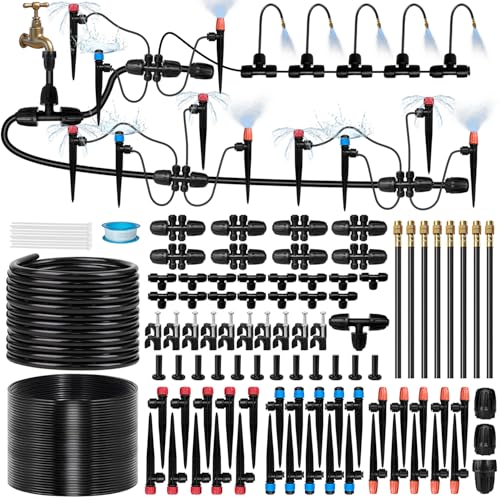
【Upgraded Tube Design & Water Saving】 Our garden watering system is upgraded to 1/2” diameter to support high water pressure. The 1/2” tee connector allows seamless splitting into 2 independent zones for customized watering schedules. By delivering moisture directly to root zones, this drip Irrigation system significantly reduces evaporation and runoff—saving more water compared to conventional sprinklers while eliminating the need for manual watering.
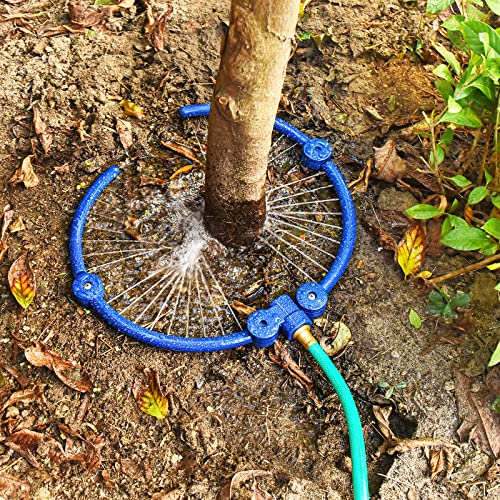
【Specially Designed for Trees and Shrubs】 The Watering Ring is a multi-purpose irrigation ring that attaches to a garden hose to efficiently water young trees shrubs vegetables or flower beds using drip or trickle irrigation.It directs water to the root perimeter of the plant to give them a good start during the first two growing seasons or through periods of drought.

NO MORE HARD INSTALLATION - SET UP IN MINUTES. Tired of struggling with stiff barbed fittings? This drip irrigation system features quick-connect fittings that let you push, lock, and secure tubing effortlessly. No tools, no leaks, just a smooth setup experience. Enjoy a frustration-free installation and get your garden watering system running in minutes.
Irrigation and Care for Apricot Trees
Irrigation and care are crucial for the successful growth of apricot trees in Miami’s tropical climate. Understanding the specific watering needs and maintenance practices will help ensure these trees thrive despite the region’s unique environmental challenges. This section explores essential irrigation techniques and care tips tailored for apricot trees in a subtropical setting.
Water deeply once a week, adjusting based on rainfall.
Fertilize with a balanced fertilizer in early spring.
Prune annually to remove dead or diseased branches and promote airflow.
Consistent maintenance will lead to healthier trees and better fruit production.
Pest Control Strategies for Apricot Trees
Maintaining healthy apricot trees in Miami requires effective pest control strategies tailored to the region’s unique climate and ecosystem. Understanding common pests and their impact on tree health is essential for successful cultivation. This section explores practical methods to protect apricot trees from infestations and ensure a fruitful harvest.
Apricot trees can be susceptible to pests and diseases, especially in humid climates like Miami. Identifying and managing these threats early is essential for a successful harvest.
Pests and Diseases Affecting Apricot Trees
Apricot trees can face various pests and diseases that threaten their health and productivity, especially in the warm climate of Miami, FL. Understanding these challenges is essential for successful cultivation, as local conditions can exacerbate certain issues. This section explores the most common pests and diseases affecting apricot trees in tropical environments, providing insights for effective management.
| Pest/Disease | Symptoms | Management Strategies |
|---|---|---|
| Aphids | Curling leaves and sticky residue | Use insecticidal soap or neem oil |
| Brown rot | Wilting fruit and brown lesions | Remove infected fruit and apply fungicide |
| Leaf spot | Dark spots on leaves | Improve air circulation and use fungicides |
Monitoring for these issues and acting promptly will protect your apricot trees.
Optimal Apricot Harvesting Techniques
Successfully harvesting apricots in Miami requires an understanding of the unique climatic conditions and the specific needs of tropical varieties. This section explores the best practices for ensuring a fruitful yield, from timing the harvest to proper handling techniques that preserve fruit quality. Implementing these strategies can significantly enhance the overall success of your apricot cultivation efforts.
Harvesting apricots at the right time ensures the best flavor and texture. Proper harvesting techniques can also extend the shelf life of the fruit.
Ripeness Indicators for Apricot Harvest
Understanding the ripeness indicators for apricot harvest is crucial for successful cultivation in Miami’s tropical climate. This section explores the key signs that indicate when apricots are ready to be picked, ensuring optimal flavor and quality. By recognizing these indicators, growers can maximize their yield and enjoy the best fruits from their apricot trees.
Check for ripeness by gently squeezing the fruit; it should yield slightly.
Use pruning shears to cut the fruit from the tree, avoiding damage.
Store harvested fruit in a cool, dry place to maintain freshness.
Following these tips will help you enjoy the fruits of your labor.
