

Growing apricot trees in El Paso, TX requires specific techniques due to the high desert climate. Proper selection of varieties and understanding soil conditions are crucial for successful cultivation.
Choose the Right Apricot Varieties
Selecting the appropriate apricot varieties is essential for thriving growth in El Paso’s unique climate. The area experiences high temperatures and low humidity, making certain types more suitable than others. Look for varieties that are drought-resistant and can tolerate heat.
Katy: Early ripening, good drought tolerance.
Tilton: Sweet flavor, excellent for fresh eating.
Harcot: Adaptable to dry conditions, good for canning.
Recommended Products

EXTRA LARGE PACKET contains over 1 full ounce of pure live seeds (7,500+ seeds) - Enough to cover 100 square feet.

PREMIUM DROUGHT TOLERANT WILDFLOWER MIX: A carefully curated blend of hardy wildflowers selected to thrive in hot, dry, and low-water conditions. Suitable for xeriscaping, water-wise gardens, low-water landscapes, and challenging growing environments across the continental USA

Vibrant Beauty: Create a stunning garden display with these Jacaranda tree seeds that produce magnificent clusters of lavender-blue trumpet-shaped flowers, creating a breathtaking canopy of color
Soil Preparation for Apricot Trees
Preparing the right soil is crucial for successfully growing apricot trees in El Paso’s high desert climate. The unique soil composition and arid conditions require specific amendments to ensure optimal growth and fruit production. Understanding how to properly prepare your soil will set a solid foundation for healthy apricot trees.
Soil preparation is vital for healthy apricot trees. The high desert soil often lacks nutrients and proper drainage.
Conduct a soil test to determine pH and nutrient levels. Amend the soil based on test results to ensure optimal growth.
| Soil Component | Recommended Action |
|---|---|
| pH Level | Aim for 6.0 to 7.0 |
| Organic Matter | Add compost to improve texture |
| Drainage | Ensure soil drains well to prevent root rot |
Recommended Products

Feed the soil not the plants - stimulate microbial activity in your soil and boost probability of success with all types of plants… like composting but faster

Nutrient-Rich Organic Compost for Healthy Soil: Support stronger plant growth with this premium organic compost made from dairy cow manure. This all purpose soil amendment helps replenish essential nutrients often depleted after harvests, making it ideal for vegetable gardens, fruit trees, flowers, lawns and container plants.

Enriched with Organic Fertilizer – This lemon tree fertilizer provides nutrients for up to 6 months, so your citrus trees stay healthy and productive with minimal upkeep.
High Desert Apricot Tree Planting Techniques
Planting apricot trees in the high desert of El Paso requires specific techniques to ensure their success in a challenging environment. With unique soil conditions and temperature fluctuations, understanding the best practices for planting and nurturing these trees is essential. This section outlines effective methods tailored for the high desert climate to help you cultivate healthy apricot trees.
Proper planting techniques can significantly impact the growth of apricot trees. Timing is key; plant in early spring after the last frost. Follow these steps for successful planting.
Dig a hole that is twice as wide and as deep as the root ball.
Mix native soil with compost to enhance nutrients.
Place the tree in the hole, ensuring the graft union is above soil level.
Backfill with soil and water thoroughly to eliminate air pockets.
Watering Strategies for Apricot Trees
Effective watering is crucial for the success of apricot trees in El Paso’s high desert climate. Given the region’s arid conditions, understanding the best practices for watering can help ensure healthy growth and fruit production. This section outlines essential strategies to keep your apricot trees thriving despite the challenges of limited rainfall.
Watering practices are crucial for apricot trees in El Paso’s arid climate. Overwatering can lead to root rot, while underwatering can stress the tree. Establish a consistent watering schedule.
Frequency: Water deeply every 1-2 weeks during the growing season.
Method: Use drip irrigation to minimize evaporation.
Mulching: Apply mulch around the base to retain moisture and regulate soil temperature.
Recommended Products
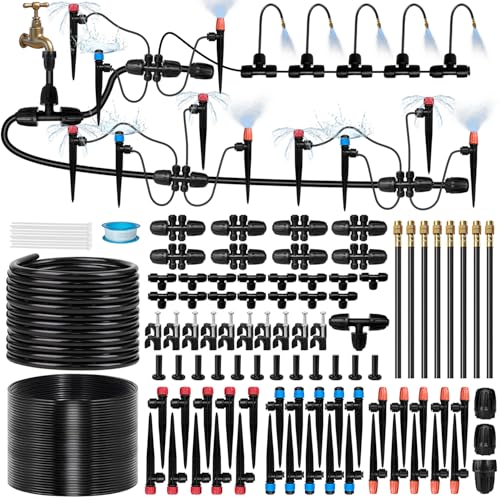
【Upgraded Tube Design & Water Saving】 Our garden watering system is upgraded to 1/2” diameter to support high water pressure. The 1/2” tee connector allows seamless splitting into 2 independent zones for customized watering schedules. By delivering moisture directly to root zones, this drip Irrigation system significantly reduces evaporation and runoff—saving more water compared to conventional sprinklers while eliminating the need for manual watering.

💧 Complete All-in-One Irrigation Kit – Everything You Need in One Box : Includes 40 ft of 1/2” main tubing, 200 ft of 1/4” distribution tubing, 30 precision sprayers (stream drippers, vortex emitters & mist nozzles), plus all connectors and fittings. Easily covers up to 250 sq. ft. in a single line or two 120 sq. ft. zones—perfect for gardens, raised beds, and greenhouses.

2.0 gallon per hour pressure-compensating emitter delivers same uniform flow rate from beginning to end of tubing runs
High Desert Pest Control for Apricot Trees
Managing pests is crucial for the health of apricot trees in El Paso’s high desert environment. The unique climatic conditions can attract specific pests that threaten fruit production. Understanding effective pest control strategies will help ensure a thriving apricot harvest in this challenging landscape.
Managing pests and diseases is essential for maintaining healthy apricot trees. The high desert environment can attract specific pests that threaten growth. Regular monitoring and preventive measures can mitigate these risks.
Common Pests: Aphids, spider mites, and peach tree borers.
Preventive Measures: Use insecticidal soap and neem oil as organic options.
Disease Awareness: Watch for signs of fungal infections and apply fungicides as necessary.
Nutrient Management for Apricot Trees
Effective nutrient management is crucial for the successful growth of apricot trees in El Paso’s high desert climate. Understanding the specific nutritional needs of these trees can enhance their health and fruit production. This section explores essential nutrients, soil amendments, and fertilization strategies tailored to the unique conditions of the region.
Fertilization plays a key role in the health of your apricot trees. Proper nutrient management will promote strong growth and fruit production. Follow a structured fertilization plan based on the tree’s age and soil conditions.
| Fertilizer Type | Application Timing | Notes |
|---|---|---|
| Nitrogen-rich | Early spring | Supports leaf growth |
| Balanced fertilizer | Late spring | Encourages fruit development |
| Potassium-rich | Early fall | Enhances fruit quality |
Optimal Apricot Harvest Timing and Techniques
Understanding the best timing and techniques for harvesting apricots is crucial for maximizing yield and flavor, especially in the unique climate of El Paso, TX. This section delves into the optimal periods for picking apricots and offers practical methods to ensure a successful harvest, tailored to the high desert environment.
Harvesting apricots at the right time ensures the best flavor and quality. Monitor the fruit closely as it approaches maturity. Follow these guidelines for optimal harvesting.
Color Check: Look for a golden-yellow color.
Firmness Test: Gently squeeze the fruit; it should yield slightly.
Timing: Harvest early in the morning for best flavor.
Essential Tips for Apricot Tree Care
Caring for apricot trees in El Paso’s high desert environment requires specific strategies to ensure healthy growth and fruitful harvests. Understanding the unique challenges posed by the region’s climate and soil conditions is crucial for successful cultivation. The following tips provide essential guidance for maintaining robust apricot trees in this distinctive landscape.
Growing apricot trees in El Paso requires attention to detail in various aspects of care. From soil preparation to pest management, each step is crucial for success. Regular monitoring and adjustments will lead to a fruitful harvest.
