

Apricot trees can thrive in Oklahoma’s challenging climate with proper care and attention. Selecting the right varieties and implementing effective soil management techniques are key to ensuring healthy growth and fruit production.
Oklahoma Apricot Varieties for Heat Resistance
Oklahoma’s unique climate presents challenges for growing apricot trees, particularly with its intense heat and diverse soil types. Selecting the right varieties is crucial for ensuring successful cultivation. This section explores the best apricot varieties suited for Oklahoma’s conditions, focusing on their heat resistance and adaptability to local soil variations.
Choosing the right apricot tree varieties is crucial for success in Oklahoma. The state experiences high temperatures and variable soil conditions, making it essential to select heat-tolerant and disease-resistant options. Recommended varieties include:
Tilton: Known for its sweet fruit and adaptability to heat.
Katy: Early ripening and resistant to common diseases.
Goldcot: Produces large fruit and is drought-tolerant.
These varieties are more likely to produce fruit in Oklahoma’s unique climate.
Oklahoma Soil Types for Apricot Health
Understanding the various soil types in Oklahoma is crucial for the successful cultivation of apricot trees. Each soil type presents unique challenges and benefits that can significantly impact tree health and fruit production. This section delves into the specific soil characteristics that affect apricot growth in the region, providing essential insights for growers.
Soil quality plays a significant role in the health of apricot trees. Oklahoma’s soil varies widely, affecting drainage and nutrient availability.
It’s vital to assess your soil before planting. Consider the following soil types:
Clay Soil: Retains moisture but can become compacted. Amend with organic matter to improve drainage.
Sandy Soil: Drains quickly but may lack nutrients. Incorporate compost to enhance fertility.
Loamy Soil: Ideal for apricot trees, balancing drainage and nutrient retention.
Conducting a soil test can help determine pH levels and nutrient needs.
Effective Watering Strategies for Apricot Trees
Proper watering is crucial for the health of apricot trees in Oklahoma, especially given the region’s intense heat and diverse soil conditions. Implementing effective watering strategies can significantly enhance tree resilience, promote fruit development, and ensure a thriving orchard. Understanding the specific needs of apricot trees will help growers navigate the challenges posed by Oklahoma’s climate.
Proper watering is essential for apricot trees, especially during hot summer months. Overwatering can lead to root rot, while underwatering can stress the tree. Implement these watering techniques:
Drip Irrigation: Provides consistent moisture directly to the roots, reducing evaporation.
Mulching: Use organic mulch to retain soil moisture and regulate temperature.
Deep Watering: Water deeply but infrequently to encourage deep root growth.
Monitor soil moisture levels to ensure trees receive adequate hydration.
Recommended Products

NO MORE HARD INSTALLATION - SET UP IN MINUTES. Tired of struggling with stiff barbed fittings? This drip irrigation system features quick-connect fittings that let you push, lock, and secure tubing effortlessly. No tools, no leaks, just a smooth setup experience. Enjoy a frustration-free installation and get your garden watering system running in minutes.
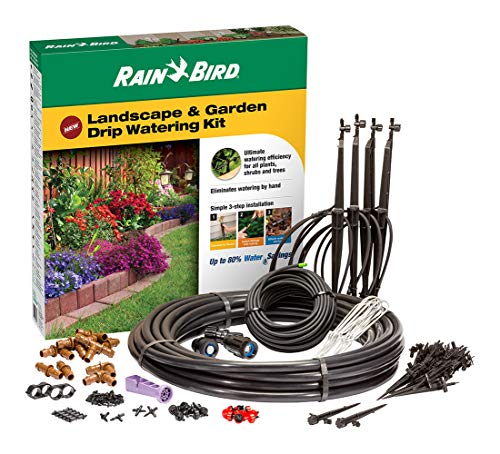
Comprehensive 108-piece kit for flower beds, gardens and landscaped areas; eliminates hand watering, saves time and money
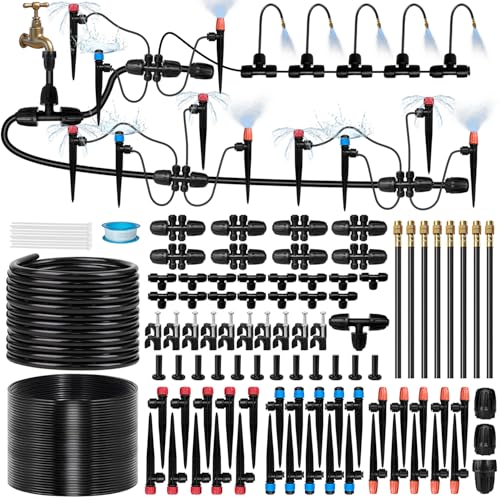
【Upgraded Tube Design & Water Saving】 Our garden watering system is upgraded to 1/2” diameter to support high water pressure. The 1/2” tee connector allows seamless splitting into 2 independent zones for customized watering schedules. By delivering moisture directly to root zones, this drip Irrigation system significantly reduces evaporation and runoff—saving more water compared to conventional sprinklers while eliminating the need for manual watering.
Apricot Tree Fertilization Techniques for Optimal Growth
Proper fertilization is crucial for the health and productivity of apricot trees in Oklahoma’s challenging climate. Understanding the specific nutrient needs and soil conditions can significantly enhance growth and fruit yield. This section explores effective fertilization techniques tailored to the unique environmental factors affecting apricot cultivation in the region.
Fertilizing apricot trees appropriately supports healthy growth and fruit production. A balanced approach is necessary to avoid nutrient deficiencies or excesses. Follow these fertilization tips:
Soil Test: Conduct a soil test to identify nutrient needs.
Balanced Fertilizer: Use a balanced fertilizer with equal parts nitrogen, phosphorus, and potassium.
Timing: Fertilize in early spring before new growth begins and again after fruit set.
Regular monitoring of tree health can guide adjustments in fertilization.
Pest Control Strategies for Apricot Trees
Effective pest control is crucial for maintaining healthy apricot trees in Oklahoma’s challenging climate. With the combination of heat and variable soil conditions, understanding the specific pests that target these trees and implementing targeted strategies can significantly enhance growth and fruit yield. This section explores various methods to protect apricot trees from common pests while promoting their resilience.
Oklahoma’s climate can attract various pests and diseases that threaten apricot trees. Proactive management is essential for maintaining tree health. Consider these common issues:
Aphids: Small insects that can weaken trees. Use insecticidal soap for control.
Brown Rot: Fungal disease affecting fruit. Remove infected fruit and improve air circulation.
Leaf Curl: Caused by a virus. Remove affected leaves and maintain tree vigor.
Regular inspections can help detect problems early.
Apricot Care Recommendations by Factor
Caring for apricot trees in Oklahoma requires attention to various factors that influence their growth and fruit production. Understanding the specific needs related to climate, soil conditions, and pest management is essential for successful cultivation. The following recommendations will provide guidance tailored to the unique challenges faced by apricot trees in this region.
| Factor | Recommendation | Notes |
|---|---|---|
| Variety | Tilton, Katy, Goldcot | Choose based on local climate |
| Soil Type | Loamy preferred | Amend clay or sandy soils |
| Watering Method | Drip irrigation | Prevents overwatering |
| Fertilization | Balanced NPK fertilizer | Apply in spring and post-fruit |
| Pest Control | Insecticidal soap for aphids | Monitor regularly |
Optimal Timing and Site Preparation
When planting apricot trees in Oklahoma, timing and location are critical. Planting in spring after the last frost ensures a healthy start. Choose a location with full sun and good air circulation to minimize disease risk. Prepare the planting site by clearing debris and amending the soil as needed.
Avoid planting in low-lying areas where water may pool.
Maintenance Strategies for Oklahoma Apricot Trees
Regular maintenance, including pruning and monitoring for pests, is essential for the longevity of apricot trees. Implementing these strategies will enhance fruit production and tree health. By understanding Oklahoma’s unique climate and soil conditions, growers can successfully cultivate thriving apricot trees.
