

Apricot trees can grow in New Hampshire, but success depends on careful selection and management. Choosing cold-hardy varieties and implementing protective measures will enhance growth and fruit production in this northern climate.
Cold-Hardy Apricot Tree Varieties for New Hampshire
When considering apricot trees for New Hampshire’s unique climate, selecting cold-hardy varieties is essential. These specific types can thrive despite the region’s chilly winters and shorter growing seasons. Understanding which apricot trees are best suited for this northern environment will help gardeners achieve successful fruit production.
Selecting the right apricot tree variety is crucial for successful growth in New Hampshire. Cold-hardy varieties can withstand the region’s harsh winters and variable spring temperatures. Look for cultivars that have been bred specifically for northern climates.
Some recommended varieties include:
Hardy Orange
Moorpark
Tilton
These varieties have shown better resilience against cold and late frosts, which can damage blossoms.
Recommended Products

🍑 Delicious Homegrown Fruit: Produces sweet, juicy apricots perfect for fresh eating, baking, and preserves

🍑 Delicious Homegrown Fruit: Produces sweet, juicy apricots perfect for fresh eating, baking, and preserves

Light: Full sun, at least 6–8 hours per day
Assess New Hampshire’s Climate for Apricots
Understanding New Hampshire’s climate is crucial for determining whether apricot trees can thrive in the region. The state’s unique weather patterns, including temperature fluctuations and seasonal variations, play a significant role in the growth and fruiting potential of apricot trees. By assessing these climatic factors, prospective growers can make informed decisions about planting and care.
New Hampshire’s climate presents unique challenges for growing apricot trees. The state experiences cold winters and fluctuating temperatures in spring. Understanding these conditions helps in planning the planting and care of your trees.
Key climate factors to consider:
Frost Dates: Late spring frosts can kill blossoms.
Soil Temperature: Soil must warm adequately for root development.
Sun Exposure: Full sun is necessary for optimal growth.
Monitoring these elements will aid in making informed decisions about planting and care.
Optimal Site Preparation for Apricot Trees
Preparing the right site is crucial for successfully growing apricot trees in New Hampshire’s unique climate. This section outlines essential steps for optimal site preparation, including soil conditions, drainage solutions, and sunlight requirements. By following these guidelines, you can create an ideal environment that supports the healthy growth of apricot trees in the northern landscape.
Choosing the right location for your apricot trees is vital. The site should have well-drained soil and ample sunlight. Proper preparation will set the foundation for healthy growth.
Steps to prepare the site:
Select a Sunny Spot: Ensure at least 6 hours of direct sunlight daily.
Test Soil pH: Aim for a pH between 6.0 and 7.0.
Amend Soil: Add compost to improve drainage and nutrients.
A well-prepared site will enhance the likelihood of successful growth.
Apricot Tree Care Calendar for New Hampshire
Caring for apricot trees in New Hampshire requires a tailored approach due to the region’s unique climate and growing conditions. This care calendar outlines essential tasks and timelines to ensure healthy growth and fruit production, helping both novice and experienced gardeners successfully cultivate apricot trees in the northern landscape.
Establishing a care schedule ensures that your apricot trees receive the attention they need throughout the year. Regular maintenance will promote healthy growth and fruit production.
Essential care tasks include:
Watering: Deep watering during dry spells.
Pruning: Annual pruning to encourage airflow and fruiting.
Fertilizing: Use a balanced fertilizer in early spring.
Following a consistent care schedule will help your trees thrive in New Hampshire’s climate.
Pest and Disease Prevention Strategies
Maintaining the health of apricot trees in New Hampshire requires a proactive approach to pest and disease management. Given the region’s unique climate, understanding the specific threats to these trees is essential. This section outlines effective strategies to prevent common pests and diseases, ensuring successful growth and fruit production.
Pests and diseases can threaten apricot trees, especially in northern climates. Implementing preventive measures will safeguard your trees and ensure a healthy harvest.
Common pests and diseases include:
Aphids: Can weaken trees and affect fruit.
Brown Rot: A fungal disease that affects blossoms and fruit.
Bacterial Canker: Causes dieback and can kill branches.
Using organic treatments and maintaining tree health will minimize risks.
Recommended Products

Control diseases and insects in your garden with Captain Jack’s Fruit Tree Spray Concentrate! Use on a variety of listed fruits, nuts and citrus plants.
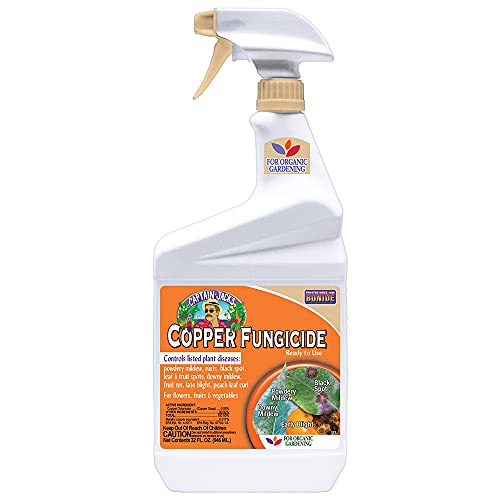
Control fungus and disease in your garden with Captain Jack’s ready-to-use Liquid Copper Fungicide!

Control diseases and insects in your garden with Captain Jack’s Fruit Tree Spray Concentrate! Use on a variety of listed fruits, nuts and citrus plants.
Identifying Apricot Tree Stress Indicators
Understanding the stress indicators of apricot trees is crucial for successful cultivation in New Hampshire’s unique climate. By recognizing these signs, gardeners can take timely action to mitigate stress and promote healthier growth. This section outlines the key indicators to watch for, ensuring that your apricot trees thrive despite potential environmental challenges.
Regular monitoring of your apricot trees helps identify potential issues early. Stress signs can indicate problems that need immediate attention.
Look for:
Wilting Leaves: May signal underwatering or root issues.
Discolored Foliage: Could indicate nutrient deficiencies.
Poor Fruit Set: May result from inadequate pollination or environmental stress.
Addressing these signs promptly will improve tree health and fruit yield.
Apricot Tree Care Task Frequency Guide
Caring for apricot trees in New Hampshire requires a tailored approach due to the region’s unique climate conditions. This guide outlines the essential tasks and their recommended frequencies to ensure healthy growth and fruitful yields. By following these guidelines, you can successfully cultivate apricot trees even in the northern climate.
| Care Task | Frequency | Notes |
|---|---|---|
| Watering | Weekly | Adjust based on rainfall |
| Pruning | Annually | Late winter or early spring |
| Fertilizing | Early Spring | Use balanced fertilizer |
| Pest Control | As Needed | Monitor regularly |
Implementing these care tasks will enhance the growth and productivity of your apricot trees in New Hampshire.
Recommended Products

INSECT KILLER: Fast-acting formula kills listed insects including aphids, Japanese beetles, caterpillars, whiteflies, and other listed pests on contact

KILLS LISTED FRUIT & CITRUS TREE INSECTS: Controls Asian Citrus Psyllid, Whiteflies, Aphids Thrips, Citrus Leafminers, Leafhoppers, Blackfly, Mealybugs, Scales, Avocado Lacebugs, Oriental Beetles, Flea Beetles, Sharpshooters, and Spittlebugs

TRIPLE PROTECTION FORMULA: 3-in-1 solution kills listed insects, controls listed diseases, and controls listed mites with one easy application
Successful Apricot Tree Cultivation Strategies
Growing apricot trees in New Hampshire presents unique challenges due to the region’s climate and soil conditions. However, with the right cultivation strategies, gardeners can successfully nurture these trees. This section outlines effective techniques and practices that enhance the chances of thriving apricot trees in northern environments.
Growing apricot trees in New Hampshire is achievable with the right approach. Focus on selecting suitable varieties, preparing the planting site, and maintaining a care schedule. Monitoring for stress signs will further ensure a successful harvest.
