

Growing guava trees in St. Louis, MO requires careful selection of varieties and attention to local climate conditions. Choosing the right cultivar and employing specific cultivation techniques will enhance your success in producing fruit in this region.
Choosing Ideal Guava Varieties for St. Louis
Choosing the appropriate guava variety is crucial for successful growth in St. Louis. Varieties such as Tropical Pink and Mexican Cream thrive in warmer climates, making them suitable for this area. These cultivars are resilient and can tolerate slight temperature fluctuations.
| Variety | Flavor Profile | Growth Habit |
|---|---|---|
| Tropical Pink | Sweet, fruity | Bushy |
| Mexican Cream | Mild, creamy | Spreading |
Recommended Products

Guava (Psidium guajava ‘Mexican Cream’) is a variety of Guava tree that is known for its large and flavorful fruit. It is a small to medium-sized evergreen tree that can grow up to 33 feet (10 meters) tall.

Produces sweet and juicy pink guava fruits

Suitable for tropical and warm climates
Optimal Site Selection for Guava Trees
Preparing the right planting site is essential for healthy guava trees. Select a location that receives full sunlight for at least six hours daily. Ensure the soil is well-draining and rich in organic matter. Testing soil pH can help determine any necessary amendments.
Guava Soil Testing and Preparation
Growing guava trees in St. Louis requires careful attention to soil conditions, as the right foundation is crucial for their health and productivity. This section will guide you through the essential steps for testing and preparing your soil, ensuring that your guava trees thrive in the unique climate of the Gateway City.
Test the soil pH and nutrient levels.
Amend the soil with compost or well-rotted manure.
Till the area to a depth of 12 inches.
Create a mound or raised bed to improve drainage.
Correct Planting Techniques for Guava Trees
Proper planting techniques will set the foundation for your guava trees. Dig a hole that is twice as wide and as deep as the root ball. Place the tree in the center and backfill with soil, ensuring the root collar is level with the ground.
Recommended Products
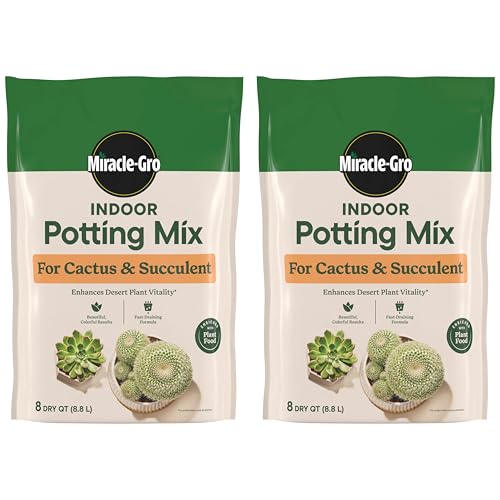
Miracle-Gro Indoor Potting Mix for Cactus and Succulent is enriched with Miracle-Gro Plant Food and enhances desert plant vitality (vs unfed plants when used as directed)

All-Natural: Special blend for growing avocados in containers or as houseplants

🌳 Mango Majesty Unveiled: Elevate your Mango Tree care with Gardenera's meticulously crafted Mango Tree Potting Mix, designed to nurture the growth and bounty of your mangoes.
Guava Tree Planting Techniques
Growing guava trees in St. Louis requires specific techniques tailored to the region’s climate and soil conditions. Understanding the best practices for planting will ensure healthy growth and fruitful yields. This section delves into effective methods for establishing guava trees that thrive in the unique environment of the Gateway City.
Dig a hole for the root ball.
Position the tree upright in the hole.
Backfill with soil and gently tamp down.
Water thoroughly to eliminate air pockets.
Maintain Optimal Watering Practices
Proper watering is crucial for the healthy growth of guava trees, especially in the unique climate of St. Louis. Understanding how to balance moisture levels will not only support robust development but also enhance fruit quality. This section will guide you through effective watering practices tailored to the needs of your guava trees.
Watering is critical for the establishment and growth of guava trees. During the first year, ensure the soil remains consistently moist but not waterlogged. Adjust your watering schedule based on rainfall and temperature.
Guava Tree Watering Frequency
Understanding the watering frequency for guava trees is crucial for successful cultivation in St. Louis, MO. Proper hydration not only supports healthy growth but also helps the trees withstand local climate challenges. This section will provide insights into the ideal watering practices to ensure your guava trees thrive in the Gateway City.
Frequency: Water every 1-2 weeks.
Amount: Apply 1-2 inches of water per session.
Method: Use a soaker hose or drip irrigation for efficiency.
Fertilization Techniques for Guava Trees
Fertilizing guava trees is essential for promoting healthy growth and maximizing fruit production, especially in the unique climate of St. Louis, MO. Understanding the right techniques and timing can significantly enhance the vitality of your trees, ensuring they thrive in the local environment. This section will explore effective fertilization methods tailored specifically for guava cultivation in the Gateway City.
Fertilization supports robust growth and fruit production. Use a balanced fertilizer formulated for fruit trees. Apply it in early spring and again in late summer to promote healthy foliage and fruit set.
Guava Tree Fertilization Techniques
Proper fertilization is essential for the healthy growth of guava trees, especially in St. Louis’ unique climate. Understanding the right techniques and timing can significantly enhance fruit production and overall tree vitality. This section delves into effective fertilization methods tailored for local conditions, ensuring your guava trees thrive.
Choose a balanced fertilizer with a ratio of 10-10-10.
Spread according to package instructions around the base.
Water after application to help the nutrients penetrate the soil.
Pest Management for Guava Trees
Pest management is crucial for the successful cultivation of guava trees, especially in St. Louis, where local conditions can attract various pests. Understanding the specific threats to your guava trees and implementing effective control strategies will help ensure healthy growth and a bountiful harvest. This section will explore practical methods to protect your trees from common pests.
Guava trees can be susceptible to various pests and diseases. Regular monitoring is essential for early detection.
Common pests include scale insects and whiteflies. Implementing organic pest control methods can help manage these issues.
Recommended Products

READY-TO-USE CONTACT SPRAY: No mixing required. Thoroughly spray insecticide on all plant parts, including the underside of leaves. Pests must be sprayed directly to achieve control

Captain Jack's Insecticidal Super Soap controls species of adelgid, ant, aphid, borer, caterpillar, spider mite, cricket, chinch bug, weevil, fly, thrip, and more

PEST DEFENSE - Insecticidal Super Soap controls species of adelgid, ant, aphid, borer, caterpillar, spider mite, cricket, chinch bug, weevil, fly, thrip, & more.
Guava Tree Pest Control Techniques
Managing pests is crucial for the healthy growth of guava trees, especially in St. Louis’s unique climate. This section explores effective pest control techniques tailored for local conditions, ensuring your guava trees thrive while minimizing damage from common threats. Understanding these methods will help you maintain a robust and fruitful garden.
Inspect leaves weekly for signs of infestation.
Use insecticidal soap or neem oil as needed.
Remove any affected leaves promptly.
Optimal Timing for Guava Harvest
Understanding the optimal timing for guava harvest is crucial for maximizing fruit quality and yield. In St. Louis, where climate conditions can vary, knowing when to pick your guavas ensures they reach their peak flavor and sweetness. This section will guide you through the best practices for determining the right moment to harvest your guava trees.
Harvesting guava fruit at the right time ensures optimal flavor and quality. Guavas typically ripen in late summer to early fall. Look for fruit that has turned a yellowish hue and yields slightly to pressure when gently squeezed.
Guava Harvesting Techniques for St. Louis
Harvesting guavas in St. Louis requires specific techniques to ensure optimal fruit quality and yield. Understanding the right timing and methods for picking can significantly impact the flavor and texture of the fruit. This section will explore effective harvesting strategies tailored to the unique climate and conditions of the region.
Check for color change and softness.
Use pruning shears to cut fruit from the tree.
Store harvested fruit in a cool, dry place.
Seasonal Temperature Impact on Guava Cultivation
Understanding the seasonal temperature variations in St. Louis is crucial for successfully cultivating guava trees. This section delves into how these temperature changes affect growth patterns, fruit production, and overall tree health, providing valuable insights for local gardeners looking to optimize their guava cultivation efforts.
St. Louis experiences seasonal temperature fluctuations that can affect guava trees.
During colder months, consider providing protection such as frost cloths or relocating potted trees indoors. Understanding local climate patterns will aid in successful cultivation.
Winter Frost Protection for Guava Trees
Winter frost can pose a significant threat to guava trees, especially in the St. Louis climate. Understanding effective protection strategies is crucial for ensuring the health and survival of these tropical plants during the colder months. This section will explore practical methods to shield your guava trees from frost damage.
Winter: Protect young trees from frost.
Summer: Ensure adequate watering during heat waves.
Fall: Prepare for potential early frosts.
Guava trees can flourish in St. Louis with the right care and attention. Implementing these strategies will enhance your chances of a fruitful harvest.
