

Star fruit trees can thrive in Oregon’s Pacific Northwest climate with proper care and attention. These tropical trees require specific soil conditions and protection from cold temperatures to produce fruit successfully in this region.
Star Fruit Tree Cultivation in Oregon
Star fruit trees, also known as carambola, are tropical plants that require a warm climate to flourish. In Oregon, particularly in the Pacific Northwest, growing these trees can be challenging due to cooler temperatures and varying soil types. Understanding the specific needs of star fruit trees is essential for successful cultivation.
Recommended Products
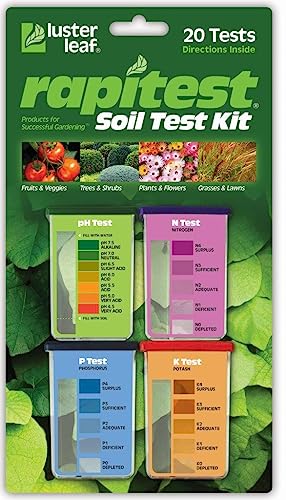
Quick, at home results for Soil pH, Nitrogen, Phosphorous and Potash Innovative and inexpensive soil test kit features an easy-to-use capsule system and patented color comparators

KNOW BEFORE YOU GROW | Grow the healthiest, sustainable lawn and garden with the most accurate and easy to use professional soil test kit on the market

Accurate Soil pH Testing: Dewildetradingco Soil pH Test Strips offer measurements of soil pH levels (pH 3.5-9). As an essential tool for every gardener and grower, these test strips help determine the optimal pH for various plants, such as outdoor plants, indoor plants, gardens, grass lawns, fruit trees, flowers, vegetables, and forest shrubs.
Optimal Soil Requirements for Star Fruit Trees
Understanding the optimal soil requirements for star fruit trees is crucial for successful cultivation in Oregon’s unique climate. This section delves into the specific soil conditions that promote healthy growth and fruit production, ensuring that growers can maximize their yields while adapting to the Pacific Northwest’s environmental challenges.
Star fruit trees thrive in well-draining, sandy loam soil with a pH between 6.0 and 6.5. Amending the soil with organic matter can improve drainage and nutrient content. Regular soil testing can help ensure optimal conditions for growth.
| Soil Type | pH Range | Nutrient Content | Drainage Quality |
|---|---|---|---|
| Sandy Loam | 6.0-6.5 | High | Excellent |
| Clay | 5.5-6.0 | Moderate | Poor |
| Silt | 6.0-7.0 | Moderate | Moderate |
Star Fruit Tree Climate Adaptations in Oregon
Star fruit trees, known for their unique flavor and striking appearance, face specific climate challenges in Oregon’s diverse environment. Understanding their adaptations to the Pacific Northwest’s conditions is crucial for successful cultivation, as these trees must navigate variations in temperature, moisture, and soil types to thrive in this region. This section explores the key adaptations that enable star fruit trees to flourish in Oregon.
Star fruit trees prefer warm temperatures, ideally between 60°F and 70°F. In Oregon, the cooler winter months can pose a risk to young trees. Providing protection through greenhouses or frost blankets can help mitigate cold damage.
Irrigation and Fertilizer Guidelines for Star Fruit Trees
Irrigation and fertilization are crucial for the successful cultivation of star fruit trees in Oregon’s unique climate. Understanding the specific needs of these trees helps ensure optimal growth and fruit production. This section provides practical guidelines on irrigation practices and fertilizer application tailored to the Pacific Northwest’s soil and weather conditions.
Star fruit trees require consistent moisture but should not be overwatered. A well-draining irrigation system is crucial. Fertilizing with a balanced fertilizer every six weeks during the growing season supports healthy growth.
Use a balanced fertilizer with equal parts nitrogen, phosphorus, and potassium.
Water deeply but infrequently to encourage deep root growth.
Pest Control and Disease Prevention for Star Fruit Trees
Effective pest control and disease prevention are crucial for the successful cultivation of star fruit trees in Oregon’s unique climate. Understanding the specific threats these trees face and implementing targeted strategies can significantly enhance their health and productivity. The following section outlines essential practices and considerations for maintaining robust star fruit trees in the Pacific Northwest.
Star fruit trees can be susceptible to pests such as aphids and scale insects. Regular monitoring and organic insecticides can help manage these infestations. Additionally, fungal diseases can occur in humid conditions, so ensuring good air circulation is vital.
Inspect leaves regularly for signs of pests.
Apply neem oil as a natural pesticide if infestations are detected.
Optimal Star Fruit Harvest Timing
Understanding the optimal harvest timing for star fruit is crucial for growers in Oregon’s unique climate. This section delves into the specific indicators and best practices for determining when to pick star fruit, ensuring maximum flavor and quality. By aligning harvest schedules with environmental conditions, growers can enhance their yield and overall fruit quality.
Harvesting star fruit occurs when the fruit turns a vibrant yellow color. The fruit should be firm but slightly soft to the touch. Picking the fruit at the right time ensures the best flavor and texture.
Use pruning shears to cut the fruit from the tree.
Handle the fruit gently to avoid bruising.
Cold-Tolerant Star Fruit Varieties for Oregon
In Oregon’s unique climate, selecting the right star fruit varieties is essential for successful cultivation. Cold-tolerant options not only thrive in the Pacific Northwest’s cooler temperatures but also yield flavorful fruit. This section explores the best varieties suited for Oregon’s conditions, ensuring gardeners can enjoy this tropical delight even in less-than-ideal climates.
Selecting the right variety of star fruit can influence success in Oregon. Some varieties are more cold-tolerant than others. Researching local nurseries for suitable options can provide better results.
| Variety Name | Cold Tolerance | Fruit Size | Flavor Profile |
|---|---|---|---|
| Fwang Tung | Moderate | Medium | Sweet |
| Arkin | High | Large | Tart |
| Kari | Low | Small | Sweet |
Growing Conditions for Star Fruit Trees
Star fruit trees thrive in specific growing conditions that are essential for their development, particularly in Oregon’s unique climate. Understanding the requirements for soil, temperature, and sunlight is crucial for successful cultivation in the Pacific Northwest. This section delves into the optimal conditions needed to nurture these tropical trees in a temperate environment.
Establishing a successful star fruit tree garden requires planning. Consider spacing, sunlight exposure, and protection from wind. A south-facing location can enhance growth potential.
Space trees at least 10 feet apart for optimal sunlight exposure.
Use windbreaks if planting in exposed areas.
Star Fruit Cultivation Best Practices in Oregon
Growing star fruit in Oregon presents unique challenges and opportunities due to the region’s specific climate and soil conditions. This section outlines the best practices for cultivating star fruit, focusing on optimal planting techniques, care requirements, and environmental considerations to ensure successful growth and fruit production in the Pacific Northwest.
Star fruit trees can thrive in Oregon with the right care and conditions. Focus on soil quality, climate protection, and pest management to maximize your success. Regular monitoring and adjustments will lead to fruitful harvests.
