

Star fruit trees thrive in Arizona’s heat with proper planting strategies. Selecting the right variety and employing effective care techniques ensures successful growth and fruit production.
Choose the Right Star Fruit Variety
Selecting a heat-tolerant star fruit variety is crucial for successful growth in Arizona’s climate. The Carambola variety is particularly suitable due to its resilience against high temperatures and ability to produce fruit in warmer conditions. Understanding the characteristics of different varieties can help in making an informed choice.
Top Star Fruit Varieties for Arizona
When selecting star fruit varieties for cultivation in Arizona, it’s essential to choose those that thrive in the region’s heat and unique climate conditions. This section highlights the top star fruit varieties that not only flourish in Arizona’s environment but also offer the best yields and flavor profiles for local growers.
Fwang Tung: Known for its sweet flavor and high yield.
Sri Kembangan: Offers a balanced taste and is drought-resistant.
Arkin: Produces large, crunchy fruits and is popular among growers.
| Variety | Flavor Profile | Yield Potential | Heat Tolerance |
|---|---|---|---|
| Fwang Tung | Sweet | High | Excellent |
| Sri Kembangan | Balanced | Moderate | Good |
| Arkin | Crunchy | High | Excellent |
Optimal Site Preparation for Star Fruit Trees
Preparing the right site is crucial for successfully growing star fruit trees in Arizona’s unique climate. This section outlines effective strategies for soil preparation, drainage, and sunlight exposure, ensuring that these heat-tolerant trees thrive in their new environment. By following these guidelines, you can create the ideal conditions for robust growth and fruitful harvests.
Proper site preparation is essential for star fruit trees to thrive. Choose a location that receives full sunlight and has well-draining soil. Conduct a soil test to determine pH levels and nutrient content, ensuring optimal conditions for growth.
Optimal Soil Conditions for Star Fruit Trees
To successfully cultivate star fruit trees in Arizona, understanding the optimal soil conditions is essential. These trees thrive in well-drained, sandy loam soils that provide adequate aeration and moisture retention. By focusing on specific soil characteristics, growers can enhance the health and productivity of their star fruit trees in the region’s unique climate.
Soil Type: Sandy loam is ideal for star fruit trees.
Drainage: Ensure the planting area has good drainage to prevent root rot.
pH Level: Aim for a pH between 5.5 and 7.0 for best results.
Watering Strategies for Star Fruit Trees
Effective watering strategies are crucial for the successful cultivation of star fruit trees in Arizona’s arid climate. Understanding the unique needs of these heat-tolerant plants can help ensure they thrive despite the challenging conditions. This section will explore the best practices for watering star fruit trees to promote healthy growth and fruit production.
Watering is critical for star fruit trees, especially during the hot Arizona summers. Establish a consistent watering schedule to maintain soil moisture without over-saturating. Use mulch to help retain moisture and regulate soil temperature.
Recommended Products
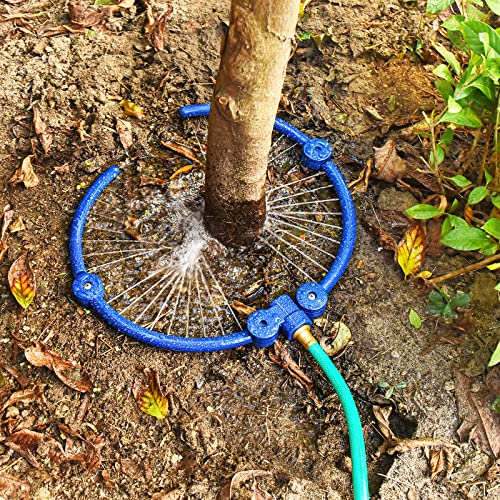
【Specially Designed for Trees and Shrubs】 The Watering Ring is a multi-purpose irrigation ring that attaches to a garden hose to efficiently water young trees shrubs vegetables or flower beds using drip or trickle irrigation.It directs water to the root perimeter of the plant to give them a good start during the first two growing seasons or through periods of drought.
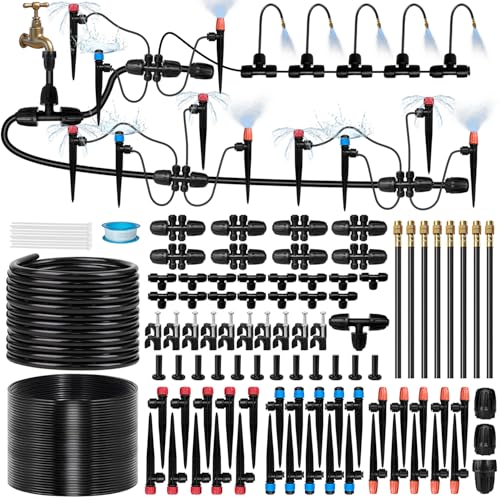
【Upgraded Tube Design & Water Saving】 Our garden watering system is upgraded to 1/2” diameter to support high water pressure. The 1/2” tee connector allows seamless splitting into 2 independent zones for customized watering schedules. By delivering moisture directly to root zones, this drip Irrigation system significantly reduces evaporation and runoff—saving more water compared to conventional sprinklers while eliminating the need for manual watering.
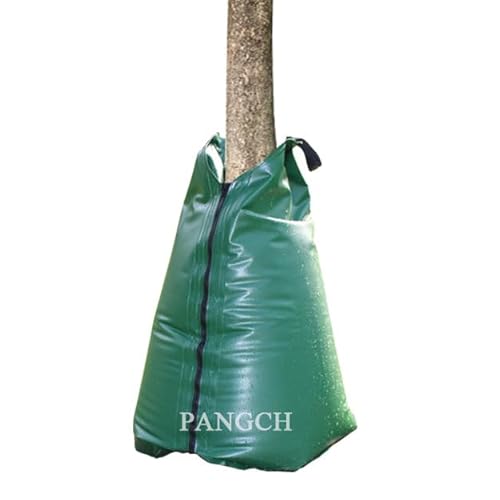
DEEP WATER SATURATION IS KEY - PANGCH tree watering bags deliver water deep below the soil surface, encouraging strong root growth, helping to reduce the effects of transplant & drought shock.Compared to conventional methods, tree watering bag can greatly reduce your watering frequency and save money by eliminating tree replacement and reducing labor costs.
Deep Watering Techniques for Star Fruit Trees
Deep watering is essential for the health of star fruit trees, especially in Arizona’s arid climate. This technique ensures that the roots receive adequate moisture, promoting robust growth and fruit production. Understanding the best practices for deep watering will help gardeners cultivate thriving star fruit trees that can withstand the heat.
Frequency: Water deeply once a week during dry spells.
Method: Drip irrigation is recommended for efficiency.
Mulching: Apply a 2-3 inch layer of organic mulch around the base.
Balanced Fertilization for Star Fruit Trees
Balanced fertilization is crucial for the health and productivity of star fruit trees in Arizona’s challenging climate. Proper nutrient management not only enhances growth but also improves fruit quality, ensuring that these heat-tolerant trees thrive. Understanding the specific fertilization needs will help gardeners cultivate robust star fruit trees that can withstand the state’s high temperatures.
Regular fertilization supports healthy growth and fruit production in star fruit trees. Choose a balanced fertilizer with essential nutrients such as nitrogen, phosphorus, and potassium. Follow the manufacturer’s recommendations for application rates and frequency.
Recommended Products

FORMULATED FOR CITRUS AND FRUIT TREES: Use these citrus fertilizer spikes on apple, orange, lemon, lime, and avocado trees; this formula is also great for feeding palm trees

Package contains 4 Pounds organic fruit and citrus fertilizer grains and is produced to avoid wasteful runoff, mess, hazards and smells

Made for Lemon & Citrus Trees – Formulated to support healthy growth in lemon and citrus plants.
Fertilization Timing for Star Fruit Trees
Understanding the optimal fertilization timing for star fruit trees is crucial for successful cultivation in Arizona’s unique climate. Proper nutrient application not only supports healthy growth but also enhances fruit quality and yield. This section will delve into the best practices for fertilizing star fruit trees to ensure they thrive in the heat.
Spring: Apply a slow-release fertilizer as new growth begins.
Summer: Use a liquid fertilizer every 6-8 weeks during the growing season.
Fall: Reduce fertilization as the tree prepares for dormancy.
Pest Management for Star Fruit Trees
Regular monitoring for pests and diseases is essential to ensure the health of star fruit trees. Common pests include aphids and scale insects, while root rot can occur in poorly drained soils. Implement integrated pest management strategies to address these issues promptly.
Recommended Products

KILLS LISTED FRUIT & CITRUS TREE INSECTS: Controls Asian Citrus Psyllid, Whiteflies, Aphids Thrips, Citrus Leafminers, Leafhoppers, Blackfly, Mealybugs, Scales, Avocado Lacebugs, Oriental Beetles, Flea Beetles, Sharpshooters, and Spittlebugs

TRIPLE PROTECTION FORMULA: 3-in-1 solution kills listed insects, controls listed diseases, and controls listed mites with one easy application

Control diseases and insects in your garden with Captain Jack’s Fruit Tree Spray Concentrate! Use on a variety of listed fruits, nuts and citrus plants.
Pest Control Strategies for Star Fruit Trees
Managing pests is crucial for the health of star fruit trees, especially in Arizona’s warm climate. Effective pest control strategies can help ensure robust growth and fruit production. This section explores various methods tailored to protect these trees from common threats while maintaining their heat tolerance.
Aphids: Use insecticidal soap or neem oil for control.
Scale Insects: Remove manually or apply horticultural oil.
Root Rot: Improve drainage and avoid overwatering to prevent this issue.
Optimal Star Fruit Harvest Timing
Harvesting star fruit at the right time ensures the best flavor and quality. The fruits should be picked when they turn a bright yellow color with a slight softness. Proper harvesting techniques help prevent damage to the tree and improve future yields.
Harvesting Star Fruit in Arizona
Harvesting star fruit in Arizona requires an understanding of the unique climate and growing conditions in the region. With the right techniques and timing, gardeners can maximize their yield while ensuring the fruit develops its characteristic flavor and sweetness. This section explores effective strategies for successfully harvesting star fruit in the Arizona heat.
Timing: Harvest when fruits are fully developed and yellow.
Technique: Use sharp pruning shears to cut the fruit from the tree.
Storage: Store harvested fruits in a cool, dry place to prolong freshness.
Star Fruit Cultivation Best Practices
Growing star fruit trees in Arizona requires careful planning and consistent care. By selecting the right variety, preparing the planting site, and implementing effective watering and fertilization strategies, you can enjoy a fruitful harvest. Regular monitoring for pests and diseases will further enhance your success.
