

Growing apple trees in the District of Columbia can yield a fruitful urban garden experience. Selecting the right varieties and implementing proper care techniques are essential for success in this unique climate.
Best Apple Varieties for DC Climate
When selecting apple varieties for urban gardens in the District of Columbia, it’s essential to consider the local climate and conditions. The right choices can lead to successful harvests and vibrant trees, ensuring that gardeners can enjoy fresh, homegrown apples. This section explores the best apple varieties suited for DC’s unique environment.
Selecting the appropriate apple varieties is crucial for thriving in the District of Columbia’s climate. The region experiences hot summers and cold winters, making it essential to choose varieties that can withstand these conditions. Recommended varieties include:
Honeycrisp
Fuji
Granny Smith
Gala
These varieties are known for their adaptability and disease resistance. Consider local microclimates when making your choice, as some areas may have specific conditions that favor certain types.
DC Climate Zones for Apple Tree Growth
Understanding the climate zones in the District of Columbia is crucial for successful apple tree cultivation. This section delves into the specific climate characteristics that influence apple tree growth, helping urban gardeners make informed decisions about planting and care. By examining these factors, gardeners can optimize their efforts and enhance their chances of a fruitful harvest.
The District of Columbia falls within USDA Plant Hardiness Zones 7a to 8a. This classification helps determine which apple trees will thrive. Key factors include:
Average winter temperatures
Length of growing season
Rainfall patterns
Understanding these elements can help you select varieties that will not only survive but also produce a bountiful harvest.
| Climate Zone | Average Winter Temp | Growing Season Length |
|---|---|---|
| 7a | 0°F to 5°F | 180-210 days |
| 7b | 5°F to 10°F | 210-240 days |
| 8a | 10°F to 15°F | 240-270 days |
Soil Preparation Techniques for Apple Trees
Preparing the soil is a crucial step for successfully growing apple trees in the District of Columbia’s urban environment. The right techniques can enhance soil quality, ensuring optimal drainage and nutrient availability. This section explores effective soil preparation methods tailored to the unique challenges of urban gardening, setting the foundation for healthy apple tree growth.
Soil preparation is a vital step in establishing healthy apple trees. The right soil conditions promote strong root systems and fruit production. Follow these steps for optimal soil preparation:
Test the soil for pH and nutrient levels.
Amend the soil with organic matter such as compost or well-rotted manure.
Ensure proper drainage by mixing in sand if the soil is heavy clay.
A well-prepared soil environment will support the growth of robust apple trees and enhance fruit quality.
Recommended Products
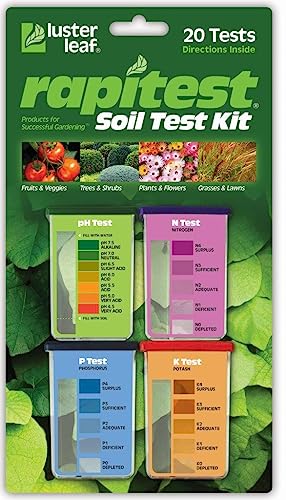
Quick, at home results for Soil pH, Nitrogen, Phosphorous and Potash Innovative and inexpensive soil test kit features an easy-to-use capsule system and patented color comparators
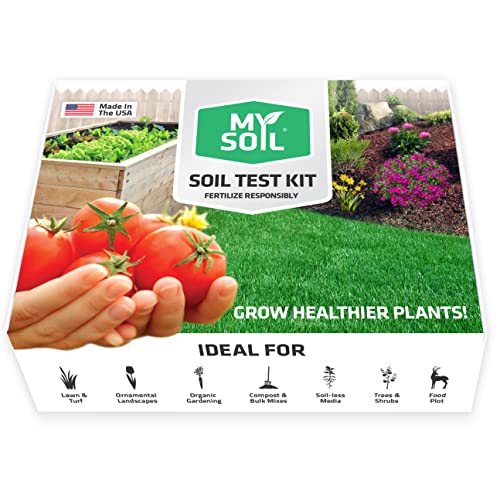
KNOW BEFORE YOU GROW | Grow the healthiest, sustainable lawn and garden with the most accurate and easy to use professional soil test kit on the market

Power Source Type: Battery Powered
Apple Tree Planting Strategies for Urban Gardens
Planting apple trees in urban gardens presents unique challenges and opportunities, particularly in the District of Columbia. With careful planning and consideration of space, soil, and climate, urban gardeners can successfully cultivate these fruit-bearing trees. This section explores effective strategies tailored to maximize growth and yield in a city environment.
Proper planting techniques can significantly affect the success of your apple trees. Follow these guidelines for effective planting:
Choose a sunny location with at least six hours of direct sunlight.
Dig a hole that is twice as wide as the root ball but no deeper than the root collar.
Position the tree so that the graft union is above soil level.
Backfill with soil, gently tamping to eliminate air pockets.
These practices will help establish a strong foundation for your trees, ensuring they thrive in an urban setting.
Essential Maintenance for Urban Apple Trees
Maintaining apple trees in urban environments like the District of Columbia requires a tailored approach to ensure their health and productivity. Factors such as soil quality, pest management, and seasonal care play crucial roles in the success of these trees. Understanding these essential maintenance practices can help urban gardeners cultivate thriving apple trees amidst the city’s unique challenges.
Regular maintenance is essential for the health of your apple trees. Key practices include:
Watering: Ensure consistent moisture, especially during dry spells.
Pruning: Remove dead or overcrowded branches to improve air circulation.
Fertilizing: Use a balanced fertilizer in early spring to promote growth.
Implementing these maintenance practices will lead to healthier trees and better fruit production.
Urban Pest and Disease Control Techniques
Urban gardening in the District of Columbia presents unique challenges, particularly regarding pests and diseases that can threaten apple trees. Effective control techniques are essential for maintaining healthy trees and ensuring a fruitful harvest. This section explores various strategies tailored for urban environments to combat these common issues.
Urban gardens can attract various pests and diseases. Effective management strategies include:
Regular inspections for signs of pests like aphids or apple maggots.
Using organic pesticides when necessary to minimize chemical exposure.
Implementing companion planting to deter pests naturally.
Monitoring and addressing these issues promptly will help maintain the health of your apple trees.
Optimal Timing for Apple Harvesting
Understanding the optimal timing for harvesting apples is crucial for urban gardeners in the District of Columbia. This section explores the best practices and seasonal indicators that ensure a successful yield, helping local enthusiasts make the most of their apple trees in an urban environment. Proper timing not only enhances flavor but also contributes to the overall health of the trees.
Harvesting your apples at the right time ensures optimal flavor and texture. Look for these indicators:
Color change: Varieties should show full color.
Ease of picking: Apples should come off the tree with a gentle twist.
Taste test: Sample a few apples to check for sweetness.
Once harvested, enjoy your apples fresh, or consider preserving them through canning or making cider.
Urban Apple Gardening Best Practices
Urban apple gardening in the District of Columbia presents unique challenges and opportunities for local gardeners. By understanding best practices tailored to the urban environment, enthusiasts can successfully cultivate apple trees, ensuring healthy growth and fruitful harvests. This section explores effective strategies to maximize the potential of apple trees in city settings.
Urban gardening presents unique challenges and opportunities. Understanding local conditions, selecting the right varieties, and maintaining your trees will lead to a successful apple harvest.
Monitor for pests and diseases regularly to ensure the health of your trees.
