

Growing apple trees in Texas requires selecting the right varieties and understanding local climate conditions. Choosing disease-resistant types and implementing proper care techniques can lead to successful fruit production in the Lone Star State.
Best Apple Varieties for Texas Climate
Selecting the right apple varieties is crucial for successful cultivation in Texas’s diverse climate. Certain types thrive better in the state’s unique conditions, offering both resilience and flavor. Understanding these varieties can significantly enhance your chances of a fruitful harvest.
Choosing the right apple varieties is crucial for success in Texas. The state’s diverse climate zones influence which types will thrive.
Some varieties are more resistant to local pests and diseases, making them better suited for Texas conditions. Consider the following popular varieties:
Texas Red: Known for its sweet flavor and disease resistance.
Anna: A low-chill variety that produces crisp apples.
Dorsett Golden: Ideal for warmer regions, offering a sweet taste.
| Variety | Chill Hours Required | Flavor Profile | Disease Resistance |
|---|---|---|---|
| Texas Red | 300-400 | Sweet | High |
| Anna | 300-400 | Crisp | Moderate |
| Dorsett Golden | 300-400 | Sweet | High |
Recommended Products


Due to agricultural laws, we cannot ship to California, Arizona, Hawaii, or Alaska orders will be cancelled if you ship to one of these states

Due to agricultural laws, we are unable to ship to CA, AZ, AK, or HI - orders will be cancelled if you ship to one of these states
Site Selection for Apple Trees
Choosing the right site for apple trees in Texas is crucial for successful cultivation. Factors such as soil quality, sunlight exposure, and drainage play significant roles in the health and productivity of the trees. Understanding these elements will help ensure a thriving apple orchard in the diverse Texas climate.
Proper site preparation is essential for healthy apple trees. Select a location with full sun exposure and well-drained soil.
Conduct a soil test to determine pH levels, aiming for a range of 6.0 to 7.0. Clear the area of weeds and debris to minimize competition for nutrients.
Dig a hole: Ensure it is twice the width and the same depth as the root ball.
Amend the soil: Mix in organic matter like compost to enhance soil fertility.
Optimal Timing for Apple Tree Planting
Understanding the best timing for planting apple trees is crucial for success in Texas. The state’s unique climate conditions can significantly influence growth and fruit production. This section will explore the optimal planting windows to ensure healthy apple trees thrive in the Lone Star State.
Planting apple trees requires careful attention to detail. Timing is important; the best time to plant is in early spring or late fall. Follow these steps for successful planting:
Position the tree: Place the root ball in the center of the hole.
Fill with soil: Gently pack the soil around the roots to eliminate air pockets.
Water thoroughly: Ensure the tree is well-hydrated immediately after planting.
Ongoing Care Strategies for Apple Trees
Successfully growing apple trees in Texas requires more than just planting; ongoing care is essential for thriving orchards. This section delves into effective strategies that address the unique climate challenges of the Lone Star State, ensuring your apple trees remain healthy and productive throughout the seasons. From watering techniques to pest management, these practices will support your apple-growing journey.
Ongoing care is vital for the health of apple trees. Regular maintenance includes watering, fertilizing, and pruning. Establish a routine to monitor the trees’ needs.
Watering: Deeply water the trees every week, especially during dry spells.
Fertilizing: Use a balanced fertilizer in early spring to promote growth.
Pruning: Trim dead or diseased branches annually to encourage healthy growth.
Recommended Products

Targeted Trapping for Cydia Pomonella: designed to attract Cydia pomonella species using species-specific pheromone lures; Helps monitor and monitor and trap around apple trees, orchards, and home gardens

Attracts greater & lesser Peach Tree Borers (Synanthedon exitiosa) as well as many other clearwing moth species
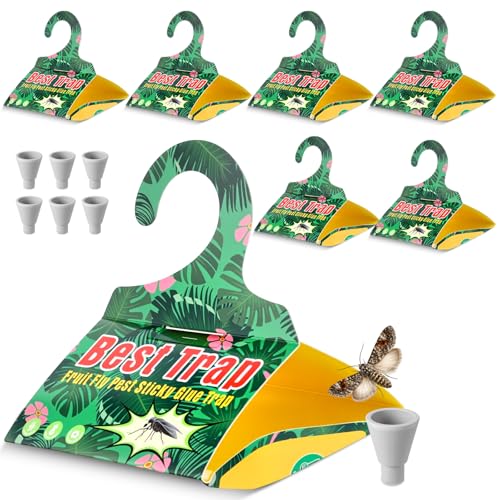
Targeted Trapping for codling moth: designed to attract codling moth species using species-specific pheromone lures; Helps monitor and reduce adult moth activity around apple trees, orchards, and home gardens
Pest and Disease Control for Texas Apples
Managing pests and diseases is crucial for successful apple cultivation in Texas. The state’s unique climate and diverse ecosystems can present specific challenges, making it essential for growers to implement effective control measures. Understanding the common threats and appropriate responses will help ensure healthy apple trees and a bountiful harvest.
Texas apple trees face various pests and diseases that can hinder growth. Regular monitoring and preventive measures will help maintain tree health. Common issues include:
Coddling Moths: Use traps to monitor and control populations.
Apple Scab: Apply fungicides as a preventive measure during wet seasons.
Aphids: Introduce beneficial insects like ladybugs for natural pest control.
| Pest/Disease | Symptoms | Control Method | Severity (1-5) |
|---|---|---|---|
| Coddling Moths | Worms in fruit | Traps | 4 |
| Apple Scab | Dark spots on leaves | Fungicides | 3 |
| Aphids | Curling leaves | Beneficial insects | 2 |
Optimal Apple Harvest Timing in Texas
Understanding the optimal timing for harvesting apples is crucial for maximizing yield and quality in Texas. Factors such as climate, apple variety, and local growing conditions play significant roles in determining when to pick. This section delves into the best practices for timing your apple harvest to ensure a successful crop in the Lone Star State.
Timing the harvest is crucial for enjoying the best flavor. Apples typically ripen in late summer to early fall, depending on the variety. Look for these signs of readiness:
Color change: Apples should exhibit their mature color.
Firmness: They should feel firm to the touch.
Ease of picking: Apples should detach easily from the tree.
Apple Storage and Preservation Techniques
Proper storage and preservation techniques are essential for maintaining the quality and flavor of apples harvested in Texas. Understanding the best methods to store apples can extend their shelf life and ensure that you enjoy the fruits of your labor long after the harvest season ends. This section explores effective strategies for keeping your apples fresh and delicious.
Proper storage extends the life of harvested apples. Store them in a cool, dark place to maintain freshness. Consider these preservation methods:
Canning: Make apple sauce or slices for long-term storage.
Freezing: Freeze peeled and sliced apples for later use.
Drying: Dehydrate apples for snacks or baking.
| Preservation Method | Shelf Life | Best Use |
|---|---|---|
| Canning | 1 year | Sauces, slices |
| Freezing | 6-12 months | Smoothies, baking |
| Drying | 1 year | Snacks, baking |
Apple Tree Care and Disease Prevention
Caring for apple trees in Texas requires a keen understanding of the local climate and common diseases that can affect their growth. Proper maintenance practices, including regular monitoring and timely interventions, are essential for ensuring healthy trees and a fruitful harvest. This section delves into effective strategies for nurturing apple trees while preventing disease in the diverse conditions of the Lone Star State.
Regularly assess your apple trees for signs of stress or disease. Early intervention can prevent larger issues. Consult local agricultural extensions for specific advice tailored to your region.
Recommended Products

3-in-1 FORMULA: Aphid spray for outdoor plants for use on roses, flowers, shrubs and trees to control listed insects, disease and mites

Control diseases and insects in your garden with Captain Jack’s Fruit Tree Spray Concentrate! Use on a variety of listed fruits, nuts and citrus plants.

Control diseases and insects in your garden with Captain Jack’s Fruit Tree Spray Concentrate! Use on a variety of listed fruits, nuts and citrus plants.
