

Growing apple trees in North Carolina’s Piedmont and Mountain regions is highly successful when specific varieties and care techniques are employed. Selecting the right cultivars and understanding local climate conditions can lead to a fruitful harvest.
Recommended Apple Varieties for North Carolina
When considering apple cultivation in North Carolina, selecting the right varieties is crucial for success. The state’s diverse climate, particularly in the Piedmont and mountainous regions, supports a range of apple types that thrive in local conditions. This section highlights the most recommended apple varieties suited for North Carolina’s unique growing environments.
Choosing the right apple varieties is crucial for success in North Carolina’s diverse climates. The Piedmont and Mountain regions offer unique growing conditions that favor certain types of apples. Here are some recommended varieties:
Fuji: Known for its sweetness and crisp texture, Fuji apples thrive in the Piedmont area.
Gala: This variety is early-maturing and adapts well to various soils.
Granny Smith: Ideal for cooler Mountain regions, these apples are tart and great for baking.
Honeycrisp: Popular for its flavor and texture, it performs well in both regions.
Each variety has specific requirements for pollination and soil conditions. Understanding these factors can help maximize yield.
Recommended Products

Fragrant Flowers: Bloom blossoms that provide precious nectar for pollinators like bees, creating your own romantic orchard with heavy fruit and rich flavor

🍎 HEIRLOOM APPLE SEEDS FOR PLANTING: Heirloom apple seeds for planting for gardeners who want to start their own apple tree from seed at home.
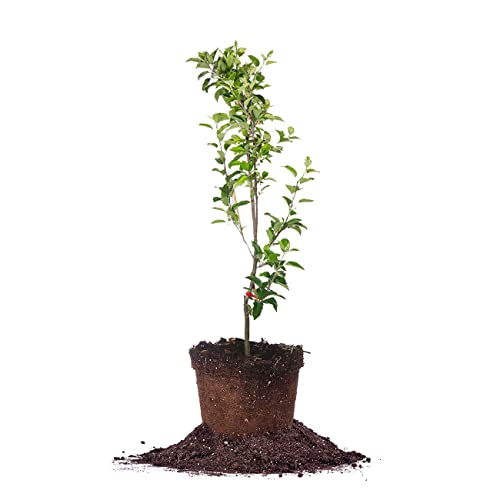
COLD HARDY & DROUGHT TOLERANT — Grow in Zones 4-8 Across the USA
Piedmont and Mountain Climate Impacts on Apple Trees
The climate in North Carolina’s Piedmont and Mountain regions plays a crucial role in the growth and productivity of apple trees. Variations in temperature, rainfall, and elevation create distinct microclimates that influence the types of apple varieties that thrive in these areas. Understanding these climatic impacts is essential for successful apple cultivation in the state.
North Carolina’s climate varies significantly between the Piedmont and Mountain regions, impacting apple tree growth. The Piedmont experiences a humid subtropical climate, while the Mountains have a cooler, temperate climate. Here are key climate factors to consider:
Frost Dates: Late spring frosts can damage blossoms. Knowing the average last frost date helps in planning planting.
Rainfall: Both regions receive ample rainfall, but drainage is essential to prevent root rot.
Sunlight: Apple trees require full sun for optimal fruit production. Aim for at least six hours of direct sunlight daily.
Understanding these climate factors will help you choose the right planting time and location.
Soil Preparation for Healthy Apple Trees
Proper soil preparation is crucial for cultivating healthy apple trees in North Carolina’s Piedmont and Mountain regions. The right soil conditions not only support robust growth but also enhance fruit quality and yield. Understanding the specific requirements for soil composition and pH can significantly impact the success of your apple orchard.
Proper soil preparation is essential for healthy apple trees. The soil should be well-draining and rich in organic matter. Follow these steps for effective soil preparation:
Test Soil pH: Aim for a pH between 6.0 and 7.0 for optimal growth.
Amend Soil: Incorporate compost or well-rotted manure to enhance fertility.
Tillage: Loosen the soil to improve aeration and drainage.
Recommended Products

Kindly NOTE: This soil tester can not be applied to test pH value of any other liquid. If the soil is too dry the indicator will not move, and water it before testing.

Accurate Soil pH Testing: Dewildetradingco Soil pH Test Strips offer measurements of soil pH levels (pH 3.5-9). As an essential tool for every gardener and grower, these test strips help determine the optimal pH for various plants, such as outdoor plants, indoor plants, gardens, grass lawns, fruit trees, flowers, vegetables, and forest shrubs.

KNOW BEFORE YOU GROW | Grow the healthiest, sustainable lawn and garden with the most accurate and easy to use professional soil test kit on the market
Healthy Apple Tree Care Techniques
Caring for apple trees in North Carolina’s Piedmont and Mountain regions requires specific techniques to ensure their health and productivity. This section delves into essential practices that promote robust growth, prevent diseases, and enhance fruit quality, tailored to the unique climate and soil conditions of these areas. Understanding these care techniques is vital for successful apple cultivation.
Regular maintenance practices will ensure the longevity and productivity of your apple trees. Implement the following:
Watering: Deep watering during dry spells encourages strong root development.
Mulching: Apply mulch around the base to retain moisture and suppress weeds.
Pruning: Annual pruning helps shape the tree and promotes better air circulation.
| Maintenance Task | Frequency | Purpose |
|---|---|---|
| Watering | Weekly during dry spells | Encourage root growth |
| Mulching | Annually | Retain moisture |
| Pruning | Annually | Improve air circulation |
Pest Control and Disease Prevention Techniques
Effective pest control and disease prevention are crucial for maintaining healthy apple trees in North Carolina’s Piedmont and Mountain regions. This section explores various techniques tailored to the unique challenges posed by local pests and diseases, ensuring that growers can protect their orchards and maximize fruit quality and yield. Understanding these methods is essential for successful apple cultivation in this diverse landscape.
Pest and disease management is crucial for maintaining healthy apple trees. Common pests include aphids and codling moths, while diseases like apple scab can affect fruit quality. Consider these strategies:
Integrated Pest Management: Use traps and beneficial insects to control pest populations.
Fungicide Applications: Apply fungicides during the growing season to prevent diseases.
Regular Inspections: Monitor trees for signs of pests or diseases to address issues early.
Recommended Products

Control diseases and insects in your garden with Captain Jack’s Fruit Tree Spray Concentrate! Use on a variety of listed fruits, nuts and citrus plants.
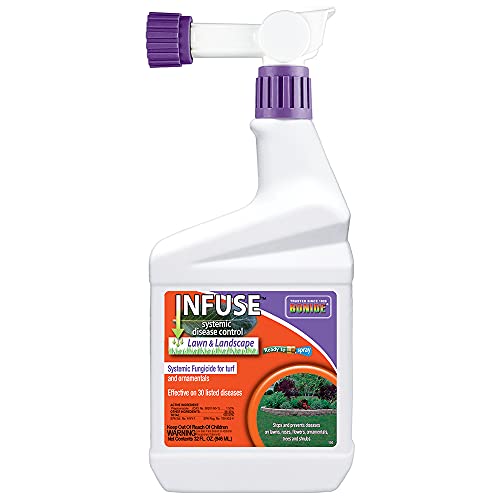
Protect your lawn from fungal diseases with Infuse Systemic Disease Control Ready-to-Spray from Bonide!

Control and prevent common garden diseases with Sulfur Plant Fungicide Micronized Spray or Dust from Bonide!
Organic Pest Management Strategies
Effective organic pest management is crucial for maintaining healthy apple trees in North Carolina’s Piedmont and Mountain regions. By employing environmentally friendly techniques, growers can protect their crops from pests while promoting biodiversity. This section explores various strategies tailored to the unique challenges faced by apple orchards in these areas.
For those preferring organic methods, several solutions can be effective:
Neem Oil: Acts as a natural pesticide against various pests.
Insecticidal Soap: Targets soft-bodied insects without harming beneficial species.
Companion Planting: Planting flowers like marigolds can deter pests.
Optimal Apple Harvest Techniques
Successful apple harvesting in North Carolina’s Piedmont and Mountain regions requires a keen understanding of optimal techniques tailored to the local climate and soil conditions. By employing the right methods, growers can enhance fruit quality and yield, ensuring a bountiful harvest that meets market demands. This section delves into effective strategies for maximizing apple production in these unique environments.
Timing your harvest is essential for optimal flavor and storage. Apples are typically ready for harvest when they reach full color and easily detach from the tree. Follow these steps for effective harvesting:
Check Color: Ensure apples have developed their characteristic color.
Twist and Lift: Gently twist the apple to detach it from the tree.
Handle Carefully: Avoid bruising by placing apples in padded containers.
Apple Storage Methods for Extended Freshness
Proper storage methods are essential for maintaining the freshness of apples harvested in North Carolina’s Piedmont and Mountain regions. Understanding the best practices for apple storage can significantly extend their shelf life, ensuring that the fruit retains its flavor, texture, and nutritional value long after picking. This section explores effective techniques for preserving apples at home or in commercial settings.
Proper storage extends the shelf life of harvested apples. Consider these techniques:
Cool, Dark Place: Store apples in a cool, dark area to slow ripening.
Humidity Control: Maintain humidity levels around 90% to prevent shriveling.
Regular Checks: Inspect stored apples regularly for signs of spoilage.
Implementing these practices will help ensure a successful apple harvest in North Carolina’s Piedmont and Mountain regions.
