

Growing apple trees in New Mexico’s high desert can be challenging due to extreme temperatures and low moisture. Selecting the right varieties and employing effective care techniques will significantly enhance your chances of success. This guide outlines essential tips for thriving apple trees in this unique climate.
Choose Suitable Apple Varieties for New Mexico
Selecting the right apple varieties is crucial for successful growth in New Mexico’s high desert. The local climate presents challenges like high temperatures and low humidity, which can affect fruit quality and tree health. Opt for varieties known for their resilience in arid conditions. Consider the following options:
| Variety | Flavor Profile | Chill Hours Required | Disease Resistance |
|---|---|---|---|
| Granny Smith | Tart | 500-700 | Moderate |
| Fuji | Sweet | 600-800 | High |
| Honeycrisp | Crisp | 800-1,000 | Moderate |
| Gala | Sweet | 500-700 | High |
Recommended Products


High Germination Rate: These Fruit Apple Tree Seeds boast a high germination rate, ensuring a greater chance of successful planting and growth.

Soil Preparation Techniques for Apple Trees
Soil preparation is essential for apple trees to thrive in New Mexico. The high desert often features sandy or rocky soil, which may lack nutrients. Conduct a soil test to determine pH and nutrient levels. Amend the soil as necessary to create a fertile environment. Follow these steps:
Test soil for pH and nutrients.
Add organic matter like compost to improve fertility.
Ensure good drainage to prevent root rot.
Irrigation Strategies for High Desert Apple Trees
In the arid climate of New Mexico, effective irrigation is crucial for the successful growth of apple trees. Understanding the unique challenges posed by the high desert environment can help growers implement tailored strategies that ensure adequate water supply while promoting healthy tree development. This section explores practical irrigation methods to optimize apple tree cultivation in these conditions.
Water management is critical in the high desert environment. Apple trees require consistent moisture, especially during the growing season.
Implement effective watering techniques to maintain soil moisture without overwatering. Consider these methods:
Drip irrigation provides targeted watering to the roots.
Mulching retains moisture and reduces evaporation.
Monitoring soil moisture ensures trees receive adequate hydration.
Recommended Products

This IRRIRIGATION DRIPPER is divided into 90 ° with Plunger, 180 ° with Plunger, and 360 ° with Plunger. For details, please check the size, please follow the corresponding products according to your needs.

This IRRIRIGATION DRIPPER is divided into 90 ° with Plunger, 180 ° with Plunger, and 360 ° with Plunger. For details, please check the size, please follow the corresponding products according to your needs.

Unique design: 360 degree adjustable rotary water outlet cover control water flow to meet your needs.
Fertilization Techniques for New Mexico Apples
Fertilizing apple trees in New Mexico’s unique high desert climate requires careful consideration of soil conditions and nutrient availability. Understanding the specific needs of apple trees in this region can significantly enhance growth and fruit production. This section explores effective fertilization techniques tailored to the challenges and opportunities presented by New Mexico’s environment.
Fertilization plays a vital role in the growth and fruit production of apple trees. The nutrient needs of trees vary throughout the growing season.
Use a balanced fertilizer to support tree health. Follow these guidelines:
Apply fertilizer in early spring as growth begins.
Use slow-release formulas to provide nutrients over time.
Monitor tree health to adjust fertilization as needed.
Apple Tree Pest and Disease Control Strategies
Managing pests and diseases is crucial for the success of apple trees in New Mexico’s high desert environment. The unique climate presents specific challenges that require targeted strategies for effective control. Understanding these methods will help ensure healthy trees and a bountiful harvest.
Pests and diseases can severely impact apple tree health and yield. Regular monitoring and early intervention are essential for effective management. Implement these strategies to protect your trees:
Inspect leaves regularly for signs of pests like aphids or spider mites.
Apply organic pesticides when necessary to control infestations.
Practice crop rotation to minimize disease buildup in the soil.
Recommended Products
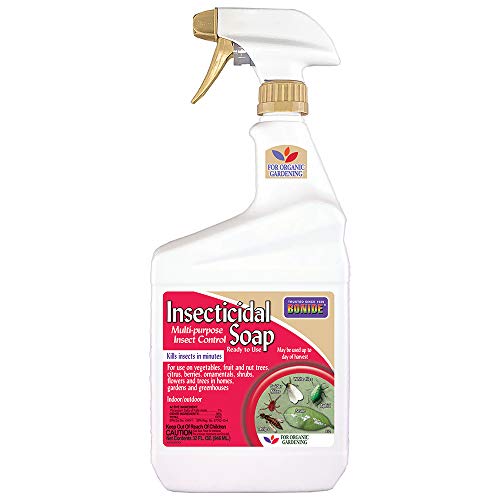
Captain Jack's Insecticidal Super Soap controls species of adelgid, ant, aphid, borer, caterpillar, spider mite, cricket, chinch bug, weevil, fly, thrip, and more

Control diseases and insects in your garden with Captain Jack’s Fruit Tree Spray Concentrate! Use on a variety of listed fruits, nuts and citrus plants.

Control diseases and insects in your garden with Captain Jack’s Fruit Tree Spray Concentrate! Use on a variety of listed fruits, nuts and citrus plants.
Year-Round Apple Tree Care Strategies
Caring for apple trees in New Mexico’s high desert climate requires a tailored approach throughout the year. Understanding seasonal needs and challenges is crucial for successful growth and fruit production. The following strategies provide essential guidance for maintaining healthy apple trees in this unique environment.
Seasonal care is crucial for maintaining the health of apple trees throughout the year. Each season presents unique challenges and opportunities for growth. Here’s a breakdown of essential tasks:
| Season | Task | Description |
|---|---|---|
| Spring | Prune trees | Remove dead or diseased branches for better air circulation. |
| Summer | Thin fruit | Reduce the number of apples to improve size and quality. |
| Fall | Harvest | Collect apples at peak ripeness for best flavor. |
| Winter | Protect from frost | Use mulch or protective wraps to shield roots from cold. |
New Mexico Apple Tree Care Challenges
Growing apple trees in New Mexico’s high desert presents unique challenges that require careful attention to environmental factors. From managing soil quality to addressing water availability, understanding these specific hurdles is essential for successful cultivation. This section delves into the key obstacles faced by apple tree growers in the region and offers insights into effective care strategies.
Be aware of the unique challenges posed by New Mexico’s climate. Monitor your trees consistently for signs of stress or disease. Adjust care techniques as needed to ensure healthy growth and fruit production.
