

Growing almond trees in Aurora, CO requires careful attention to frost protection due to the region’s high plains climate. Implementing effective frost care strategies is essential for ensuring healthy growth and maximizing yield.
Managing Frost Risks for Almond Trees
In Aurora, Colorado, managing frost risks is crucial for the successful cultivation of almond trees. The region’s unique climate presents challenges that can impact tree health and fruit production. Understanding effective strategies to mitigate frost damage will help growers ensure a thriving almond orchard despite the unpredictable weather conditions of the High Plains.
Aurora, CO experiences a unique climate characterized by cold winters and unpredictable spring frosts. Almond trees are sensitive to temperature fluctuations, particularly during their flowering phase. In this region, late frosts can damage blossoms, leading to reduced yields.
To successfully grow almond trees, consider these factors:
Frost dates: Monitor average last frost dates in spring.
Temperature variations: Be aware of sudden temperature drops.
Microclimates: Identify areas in your yard that may be warmer or cooler than others.
Frost Protection Techniques for Almond Trees
In Aurora, CO, where the climate can pose challenges for almond cultivation, understanding frost protection techniques is essential for successful growth. This section explores various methods to safeguard almond trees from frost damage, ensuring healthy development and maximizing yield in the unpredictable weather of the High Plains.
Implementing effective frost protection strategies is crucial for almond tree survival. These methods can mitigate the risks associated with late frosts, ensuring that your trees thrive.
Consider the following techniques:
Row covers: Use lightweight fabric to cover trees during frost events.
Watering: Water trees in the evening; moisture can help retain heat.
Wind machines: Consider installing wind machines to circulate warmer air.
Recommended Products
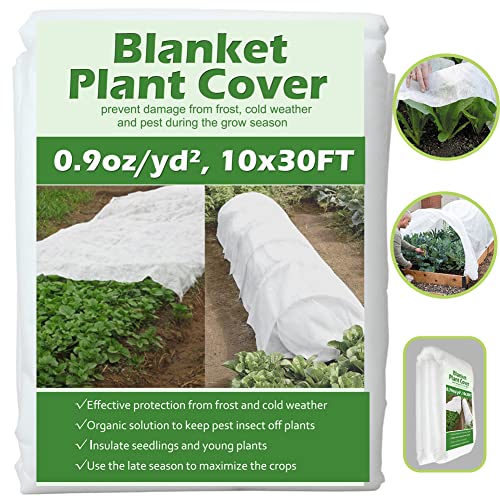
※Big Size to cover large area : The size of our plant cover is 10x30ft, the size can cover large areas. You can cut the plant covers freeze protection into different sizes for different use. You can cover it over the plant such as shrub tomato, pepper, pumpkin, and so on.

【Best Winterize Protections for Plants & Trees】 Extra Stable Plant Blanket creates and retains warmth while protecting against frosts (down to 38 degrees F.), harsh weather, birds, animals and insect. Faraer 1.06 oz. fabric thick fabric is ideal for extending the growing season into early spring and late fall, or for insulating strawberries, herbs, perennials, small fruits, and other tender landscape plants all winter long.

More Larger Sizes Rectangular Plant Covers Freeze Protection: The Garutom frost plant covers are available in three sizes (8 ft x 24 ft, 10 ft x 33 ft, 10 ft x 50 ft), you can choose the size you need most. The plant blanket can be easily cut with scissors to fit over whatever you want
Frost Protection Methods for Almonds
In Aurora, CO, almond trees face unique challenges due to the region’s fluctuating temperatures and frost risks. Implementing effective frost protection methods is crucial for ensuring healthy growth and maximizing yield. This section explores various strategies to safeguard almond trees from frost damage, helping growers navigate the specific climate conditions of the High Plains.
| Method | Effectiveness | Cost Estimate | Difficulty Level |
|---|---|---|---|
| Row covers | High | Moderate | 2 |
| Watering | Moderate | Low | 1 |
| Wind machines | Very High | High | 4 |
Frost-Resilient Almond Varieties for Aurora
Selecting the right almond varieties is crucial for successful cultivation in Aurora, CO, where frost can pose significant challenges. This section explores frost-resilient almond varieties specifically suited for the High Plains climate, helping growers make informed decisions to enhance their yields and protect their crops from unpredictable weather conditions.
Choosing the right almond varieties is critical for successful cultivation in Aurora. Some varieties are more resilient to frost than others, making them better suited for high plains conditions.
Popular varieties include:
Carmel: Known for its adaptability and frost resistance.
Tuono: A robust variety that thrives in colder climates.
Sonora: Offers high yields but requires careful frost management.
Almond Varieties and Frost Resistance
When selecting almond varieties for cultivation in Aurora, CO, understanding their frost resistance is crucial. The unique climate of the High Plains presents challenges that can impact tree survival and yield. This section explores the various almond varieties suited for this region, highlighting their resilience to frost and how they can thrive despite environmental stressors.
| Variety | Frost Resistance | Yield Potential | Bloom Time |
|---|---|---|---|
| Carmel | High | Moderate | Early |
| Tuono | Moderate | High | Mid |
| Sonora | Low | Very High | Late |
Soil Preparation Techniques for Almond Trees
Preparing the right soil is crucial for successfully growing almond trees in Aurora, CO, where the unique climate poses challenges. Proper soil preparation techniques can enhance drainage, nutrient availability, and overall tree health, setting the foundation for a productive almond orchard. Understanding the specific needs of almond trees will help ensure their resilience against the region’s frost conditions.
Proper soil preparation is vital for healthy almond tree growth. Almond trees prefer well-draining soil with a pH between 6.0 and 7.0.
Steps for soil preparation include:
Testing soil: Conduct a soil test to determine nutrient levels.
Amending soil: Add organic matter such as compost to improve drainage.
Tilling: Till the soil to a depth of at least 12 inches to aerate and mix amendments.
Almond Tree Soil Testing Guidelines
Understanding the soil composition is crucial for successfully growing almond trees in Aurora, CO, where unique climatic conditions can pose challenges. Soil testing helps identify nutrient levels and pH balance, ensuring optimal growing conditions for these delicate trees. This section outlines essential guidelines for conducting soil tests to support healthy almond tree development in the High Plains region.
Test soil pH and nutrient levels.
Add compost or organic matter.
Till soil to improve aeration.
Effective Frost Protection for Almond Trees
In Aurora, Colorado, almond trees face unique challenges due to the region’s fluctuating temperatures and late spring frosts. Implementing effective frost protection strategies is crucial for ensuring healthy growth and maximizing yields. This section explores practical methods to safeguard almond trees from frost damage in the High Plains climate.
Executing frost care effectively requires a proactive approach. Regular monitoring and timely actions can significantly reduce frost damage.
Follow these steps:
Monitor temperatures: Use a thermometer to track nighttime lows.
Implement protection: Set up row covers or other protective measures before frost events.
Assess damage: After a frost, evaluate tree health and take necessary actions.
High Plains Frost Protection Strategies
In Aurora, Colorado, almond trees face unique challenges due to the region’s unpredictable frost patterns. Implementing effective frost protection strategies is crucial for successful cultivation in the High Plains. This section explores various methods to safeguard almond trees from frost damage, ensuring healthy growth and optimal yields.
| Action | Frequency | Tools Needed |
|---|---|---|
| Temperature checks | Daily | Thermometer |
| Protection setup | As needed | Row covers, stakes |
| Damage assessment | After frost | Pruning shears, notebook |
Frost Protection Strategies for Almonds
In Aurora, Colorado, almond trees face unique challenges due to the region’s fluctuating temperatures and potential frost events. Effective frost protection strategies are crucial for ensuring healthy growth and maximizing yields. This section explores various methods to safeguard almond trees from frost damage, helping growers navigate the specific climate conditions of the High Plains.
Failure to implement frost protection can lead to significant losses in almond yield.
Frost Protection Strategies for Almond Trees
In Aurora, CO, the challenge of growing almond trees is heightened by the region’s unpredictable frost events. Effective frost protection strategies are essential for safeguarding these delicate trees, ensuring healthy growth and optimal yields. Understanding the best practices for frost care can make a significant difference in the success of almond cultivation in the High Plains.
Growing almond trees in Aurora, CO requires a strategic approach to frost care. By understanding local climate challenges and implementing effective protection methods, you can enhance the health and productivity of your almond trees.
