

Almond trees can grow in Colorado Springs, CO, but they require specific conditions to thrive. The higher altitude and variable climate present challenges that must be addressed for successful cultivation.
Colorado Springs Almond Growing Conditions
Colorado Springs has a semi-arid climate characterized by warm summers and cold winters. The city sits at an elevation of about 6,035 feet, which influences temperature and growing conditions. Almond trees prefer a Mediterranean climate with mild, wet winters and hot, dry summers.
To successfully grow almond trees, consider the following factors:
Frost Risk: Late spring frosts can damage blossoms.
Soil Type: Well-drained, sandy loam is ideal.
Water Availability: Almond trees need consistent moisture.
Choose the Right Almond Tree Variety
When considering almond cultivation in Colorado Springs, selecting the appropriate variety is crucial for success. The region’s unique climate and altitude can significantly influence the growth and yield of almond trees. Understanding which varieties thrive in these conditions will help ensure a fruitful harvest.
Selecting the right variety of almond tree is crucial for success in Colorado Springs. Some varieties are more tolerant of cold temperatures and can better withstand the local climate.
Consider these almond tree varieties:
| Variety | Cold Hardiness | Bloom Time | Yield Potential |
|---|---|---|---|
| Nonpareil | Moderate | Early Spring | High |
| Tuono | High | Late Spring | Moderate |
| Carmel | Moderate | Early Spring | High |
| Sonora | Moderate | Late Spring | High |
Nonpareil is the most popular variety, known for its high yield and quality. Tuono is a good choice for colder areas due to its hardiness.
Recommended Products

Seed Preparation: Soak the seeds in room-temperature water for 24–48 hours to soften the outer shell and promote germination.
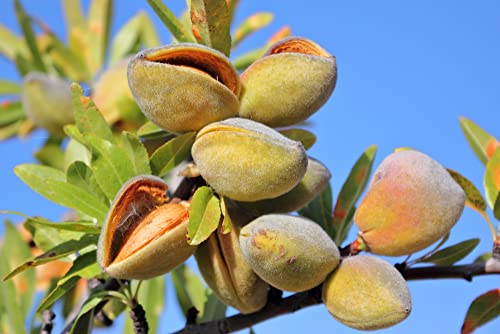

For sale are 2 flowering almond shrubs that are approximately 6-12" tall and shipped in quart pots
Soil Preparation for Almond Tree Growth
Preparing the soil is essential for successful almond tree growth, especially in the unique conditions of Colorado Springs. The right soil composition and preparation techniques can significantly impact the health and yield of your trees. Understanding these factors will help you create an optimal environment for your almond trees to thrive.
Soil preparation is essential for healthy almond tree growth. Almond trees thrive in well-drained soil with a pH of 6.0 to 7.5.
Follow these steps to prepare the soil:
Test Soil pH: Use a soil test kit to determine pH levels.
Amend Soil: Add lime to raise pH or sulfur to lower it.
Improve Drainage: Incorporate organic matter like compost to enhance soil structure.
A well-prepared soil environment promotes root development and nutrient uptake.
Irrigation Strategies for Almond Trees
Irrigation is crucial for the successful growth of almond trees, especially in regions like Colorado Springs where altitude and climate can pose challenges. Understanding effective irrigation strategies can help ensure that these trees receive the right amount of water, promoting healthy development and maximizing yield. This section explores various methods tailored to the unique conditions of the area.
Watering practices significantly impact almond tree health. Proper irrigation is crucial, especially during dry spells.
Implement these watering strategies:
Drip Irrigation: Provides consistent moisture directly to the roots.
Mulching: Helps retain soil moisture and regulate temperature.
Monitor Soil Moisture: Use a moisture meter to avoid overwatering.
Almond trees require about 36 inches of water annually, depending on local rainfall.
Recommended Products
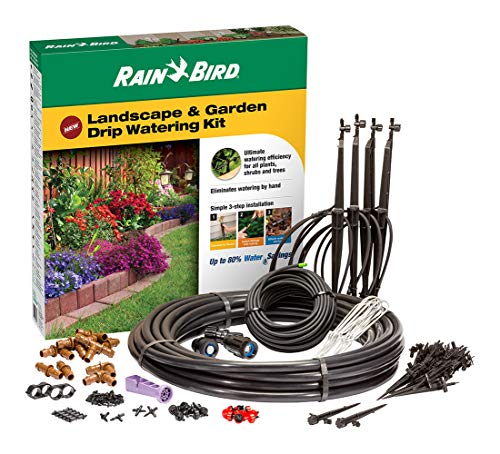
Comprehensive 108-piece kit for flower beds, gardens and landscaped areas; eliminates hand watering, saves time and money

Be a Gardening Master with the help of our superior and complete Drip Irrigation Kit: 10 Drip Irrigation Emitters Vortex + 20 Drip Emitters Spray + 50ft flexible & durable 5/16 irrigation tubing + 50ft 1/4 inch Drip Irrigation Tubing + 12 tubing coupler + 5 ¼ Tubing Tee Splitter + Tubing End Plugs + Water Connector + 1 x Complete Instructions Guide Hard Copy + 2 Grow your Own Vegetables & Fruits Guide full with pieces of advice and practical tips Digital Format.

Convenient and portable storage kit contains 102 professional grade universal Drip irrigation parts
Pest Management Strategies for Almond Trees
Managing pests is crucial for the health and productivity of almond trees, especially in the unique climate of Colorado Springs. Understanding the specific challenges posed by local pests can help growers implement effective strategies to protect their trees. This section explores various pest management techniques tailored for almond cultivation in this region.
Pest and disease management is vital for maintaining healthy almond trees. Common issues include aphids, spider mites, and fungal infections.
Consider these protective measures:
Regular Inspections: Check for signs of pests or disease.
Natural Predators: Introduce beneficial insects like ladybugs.
Fungicide Application: Use fungicides during wet seasons to prevent fungal growth.
Early detection and intervention can save your almond trees from severe damage.
Almond Harvest Timing and Techniques in Colorado Springs
Understanding the optimal timing and techniques for harvesting almonds is crucial for successful cultivation in Colorado Springs. Given the region’s unique climate and altitude, specific strategies can enhance yield and quality. This section delves into the best practices for almond harvest in this area, ensuring growers maximize their efforts and enjoy a fruitful season.
Harvesting almonds requires careful timing and technique. Almonds are typically ready for harvest when the hulls split open, indicating that the nuts are mature.
Follow these steps for effective harvesting:
Monitor Hulls: Check for splitting about 7-8 months after flowering.
Use a Shaker: Employ a mechanical shaker to dislodge nuts from trees.
Collect Nuts: Gather nuts promptly to prevent spoilage.
Proper harvesting ensures high-quality almonds and maximizes yield.
Almond Tree Cultivation Strategies for Colorado Springs
Growing almond trees in Colorado Springs presents unique challenges due to the region’s altitude and climate. Understanding specific cultivation strategies can enhance the chances of successful growth and yield. This section explores effective techniques tailored to the local environment, ensuring that almond trees thrive in this distinctive setting.
Growing almond trees in Colorado Springs can be rewarding with the right approach. Focus on selecting hardy varieties, preparing soil, managing water, and protecting against pests.
Be aware of local climate conditions and adjust your practices accordingly. Regular maintenance will lead to healthy trees and a fruitful harvest.
