

Almond trees can thrive in Sacramento, CA, due to the region’s Mediterranean climate, which provides warm, dry summers and cool, wet winters. To successfully grow almond trees, select the right varieties, prepare the soil, and implement proper irrigation techniques.
Best Almond Tree Varieties for Sacramento
When considering almond trees for Sacramento, it’s essential to choose varieties that thrive in the local climate and soil conditions. The right selection can lead to a bountiful harvest and healthy trees. This section will explore the best almond tree varieties suited for successful growth in the Sacramento area.
Choosing the right almond tree varieties is crucial for successful growth. In Sacramento, consider varieties such as Nonpareil, Carmel, and Tuono. These types are well-suited for the local climate and soil conditions.
Top Almond Varieties for Sacramento
When considering almond cultivation in Sacramento, selecting the right variety is crucial for successful growth and yield. The climate and soil conditions in this region favor specific types of almonds that thrive in the local environment. This section will explore the top almond varieties suited for Sacramento, providing insights into their characteristics and benefits.
| Variety | Characteristics | Harvest Time |
|---|---|---|
| Nonpareil | High-quality nuts, drought-tolerant | Late July |
| Carmel | Good pollinator, disease-resistant | Early August |
| Tuono | Large nuts, excellent flavor | Mid August |
Understanding the characteristics of each variety helps you make an informed decision. Nonpareil is known for its high-quality nuts, while Carmel serves as a reliable pollinator.
Soil Preparation for Almond Trees
Preparing the right soil is crucial for the successful growth of almond trees in Sacramento, CA. This section will explore the essential steps and considerations for optimizing soil conditions, ensuring that these trees thrive in the region’s unique climate and soil types. Understanding soil preparation will set the foundation for a healthy and productive almond orchard.
Soil preparation is essential for healthy almond trees. Almonds prefer well-drained, sandy loam soils with a pH of 6.0 to 7.5. Conduct a soil test to determine nutrient levels and amend accordingly.
Soil Enhancements for Almond Cultivation
To successfully cultivate almond trees in Sacramento, CA, understanding soil enhancements is crucial. The region’s soil characteristics can significantly impact tree health and nut production. This section explores essential amendments and practices to optimize soil conditions, ensuring robust growth and a bountiful harvest.
Organic compost: Improves soil structure and fertility
Gypsum: Enhances drainage and reduces soil compaction
Fertilizers: Use balanced fertilizers to provide necessary nutrients
Proper soil preparation ensures that almond trees receive adequate nutrients and water. Poor soil conditions can lead to stunted growth and lower yields.
Irrigation Strategies for Sacramento Almond Trees
Effective irrigation is crucial for the successful growth of almond trees in Sacramento’s unique climate. With its hot summers and variable rainfall, understanding the best irrigation strategies can significantly enhance tree health and nut production. This section explores tailored approaches to ensure optimal moisture levels for almond cultivation in the region.
Irrigation plays a vital role in almond tree health. Sacramento experiences dry summers, making it essential to establish a reliable watering schedule. Drip irrigation is the most efficient method for delivering water directly to the root zone.
Recommended Products

Be a Gardening Master with the help of our superior and complete Drip Irrigation Kit: 10 Drip Irrigation Emitters Vortex + 20 Drip Emitters Spray + 50ft flexible & durable 5/16 irrigation tubing + 50ft 1/4 inch Drip Irrigation Tubing + 12 tubing coupler + 5 ¼ Tubing Tee Splitter + Tubing End Plugs + Water Connector + 1 x Complete Instructions Guide Hard Copy + 2 Grow your Own Vegetables & Fruits Guide full with pieces of advice and practical tips Digital Format.

【Universal 1/4 Inch Size Set】- Designed for US market compatibility,MIXC new drip irrigation system set uses 1/4 inch (6mm) components to address potential mismatches with standard hoses, unlike some 5/16 inch systems. It includes 2-way connectors, tubing, and 3-way connectors to help users set up DIY garden irrigation more conveniently.

【Universal 1/4 Inch Size Set】- Designed for US market compatibility,MIXC new drip irrigation system set uses 1/4 inch (6mm) components to address potential mismatches with standard hoses, unlike some 5/16 inch systems. It includes 2-way connectors, tubing, and 3-way connectors to help users set up DIY garden irrigation more conveniently.
Irrigation Guidelines for Almond Trees
Irrigation is a critical factor in successfully cultivating almond trees in Sacramento’s climate. Understanding the specific water needs of these trees will help ensure optimal growth and yield. This section provides essential guidelines for effectively managing irrigation to support healthy almond production in the region.
Frequency: Water every 7-10 days during the growing season
Amount: Apply 1-2 inches of water per week
Timing: Water early in the morning to reduce evaporation
Monitoring soil moisture is critical to prevent over-watering or under-watering. Use a moisture meter to ensure optimal conditions.
Pest Control Strategies for Almond Trees
Pest management is crucial for the health and productivity of almond trees in Sacramento, CA. This region’s unique climate can attract various pests that threaten the crop. Understanding effective pest control strategies will help ensure a thriving almond orchard and maximize yields.
Pest and disease management is crucial for maintaining healthy almond trees. Common pests include aphids, spider mites, and navel orangeworms. Regular inspections help identify issues early.
Recommended Products
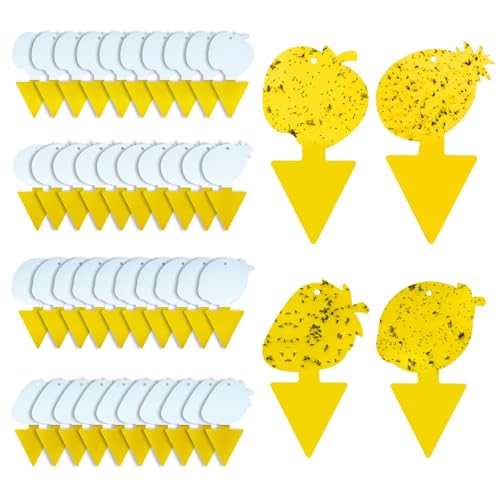
Powerful Insect Control: Effectively captures fruit flies, gnats, whiteflies, aphids, midges, and other small flying pests using bright yellow color and extra-sticky glue.

20pcs of yellow sticky traps specially designed to catch flying plant insects effectively. Ideal for outdoor plants and houseplants.

IMPRESSIVE TREE COVERAGE: Catchmaster's Tree Shield Insect Barrier is a heavy-duty crawling and flying insect trap. The tree shield measures 30 feet long, allowing you to protect more of your trees in less time. The 30-foot rolls can be easily cut to adapt to different tree and plant sizes throughout your property
Almond Tree Pest Management Strategies
Effective pest management is crucial for maintaining healthy almond trees in Sacramento’s unique climate. This section outlines practical strategies to combat common pests that threaten almond crops, ensuring optimal growth and yield. By implementing these techniques, growers can protect their trees and enhance their overall productivity.
| Pest | Control Method | Timing |
|---|---|---|
| Aphids | Insecticidal soap | Early spring |
| Spider mites | Miticides | Mid-summer |
| Navel orangeworms | Pheromone traps | During harvest season |
Implementing integrated pest management strategies can reduce chemical use and promote a healthy ecosystem. Regular monitoring and timely interventions will help maintain tree health.
Optimal Fertilization Strategies for Almonds
Fertilizing almond trees effectively is crucial for maximizing their growth and yield in Sacramento’s climate. Understanding the specific nutrient needs and timing can significantly impact tree health and productivity. This section will explore the best practices for fertilization tailored to the unique conditions of the region.
Fertilization is essential for achieving high yields in almond production. A balanced nutrient regimen supports tree growth and nut development. Conduct soil tests to tailor your fertilization plan.
Almond Tree Fertilization Timing in Spring
Fertilizing almond trees at the right time in spring is crucial for optimal growth and fruit production. Understanding the specific timing and types of fertilizers to use can significantly impact the health of your trees. This section will provide essential guidelines to ensure your almond trees thrive in Sacramento’s unique climate.
Spring: Apply nitrogen-rich fertilizers as buds break
Summer: Side-dress with potassium and phosphorus
Fall: Use organic compost to improve soil health
Proper fertilization practices enhance nut quality and yield. Over-fertilization can lead to excessive vegetative growth at the expense of nut production.
Dormant Season Pruning Techniques for Almonds
Pruning almond trees during their dormant season is crucial for promoting healthy growth and maximizing yield. This period, typically in late winter, allows for effective shaping and removal of dead or diseased wood. Understanding the right techniques can significantly impact the overall vitality of your almond trees in Sacramento’s unique climate.
Regular pruning promotes healthy growth and maximizes almond yields. Pruning should occur during the dormant season. Focus on removing dead or diseased wood and maintaining an open canopy.
Almond Tree Pruning for Optimal Growth
Pruning almond trees is essential for promoting healthy growth and maximizing yield in Sacramento’s climate. Proper techniques not only enhance the tree’s structure but also improve air circulation and light penetration, which are crucial for fruit development. Understanding the timing and methods of pruning will help ensure a thriving almond orchard.
Thinning cuts: Remove crowded branches to improve air circulation
Heading cuts: Shorten branches to encourage lateral growth
Cleaning cuts: Remove any dead or diseased wood
Effective pruning practices lead to better light penetration and airflow. Neglecting pruning can result in reduced yields and increased disease susceptibility.
Optimal Almond Harvest Indicators
Understanding the optimal indicators for almond harvest is crucial for growers in Sacramento, CA. This region’s unique climate and soil conditions can significantly influence the timing and quality of the harvest. By recognizing the signs that indicate readiness, growers can ensure a successful and productive almond yield.
Harvesting almonds at the right time is crucial for quality and yield. Monitor the hulls for splitting and the nuts for a firm shell. Timing can vary based on the variety and local climate conditions.
Almond Hull Splitting Signs
Understanding the signs of almond hull splitting is crucial for successful cultivation in Sacramento’s climate. This process indicates the readiness of the nuts for harvest and can significantly impact yield quality. Recognizing these signs will help you determine the optimal time for harvesting your almonds, ensuring a fruitful crop.
Hulls: Should be split open
Nuts: Firm shell and brown hull
Timing: Typically late July to mid-August
Harvesting too early or too late can significantly impact nut quality. Regular monitoring ensures you harvest at the peak of ripeness.
Final Steps for Successful Almond Cultivation
Successfully cultivating almond trees in Sacramento requires careful attention to the final steps of the growing process. From proper irrigation techniques to pest management strategies, these concluding practices are essential for ensuring a healthy and productive harvest. Understanding these key elements will help you navigate the challenges and maximize the potential of your almond orchard.
To successfully grow almond trees in Sacramento, select suitable varieties, prepare the soil, implement effective irrigation, manage pests, fertilize appropriately, prune regularly, and monitor harvest timing. Following these guidelines will lead to a productive almond orchard.
