

Almond trees can thrive in Columbus, OH, with proper care and attention to local climate conditions. Selecting the right varieties and understanding growth requirements will enhance your success in cultivating these trees in the Ohio Valley.
Almond Tree Varieties for Cold Climates
Almond trees come in various varieties, each with unique characteristics suited to different climates. In Columbus, it is essential to choose varieties that can withstand cold winters and produce nuts in the warmer months. The Nonpareil and Carmel varieties are popular due to their adaptability and high yield.
| Variety | Cold Hardiness | Yield Potential | Bloom Time |
|---|---|---|---|
| Nonpareil | -10°F | High | Early Spring |
| Carmel | -5°F | Medium | Mid Spring |
Soil Preparation Techniques for Almond Trees
Proper soil preparation is essential for the successful growth of almond trees in Columbus, OH. This section explores effective techniques to enhance soil quality, ensuring optimal conditions for root development and nutrient absorption. By implementing these strategies, growers can significantly improve the health and yield of their almond orchards in the Ohio Valley.
Soil preparation is crucial for the healthy growth of almond trees. Almonds prefer well-drained, sandy loam soil with a pH between 6.0 and 7.5. Conducting a soil test will help determine nutrient levels and pH balance.
Amend soil with organic matter to improve drainage.
Add lime if pH is below 6.0 to raise levels.
Incorporate fertilizers rich in nitrogen and potassium before planting.
Optimal Timing for Almond Tree Planting
Understanding the optimal timing for planting almond trees is crucial for successful cultivation in Columbus, OH. Factors such as local climate, soil conditions, and seasonal variations play a significant role in determining the best planting window. This section will provide detailed insights into when to plant almond trees for maximum growth and yield in the Ohio Valley.
Timing and technique are vital when planting almond trees. The ideal planting time is in early spring after the last frost. Proper spacing allows for air circulation and sunlight penetration, which are crucial for tree health.
Dig a hole twice the width of the root ball.
Place the tree in the center and backfill with soil.
Water thoroughly after planting to settle the soil.
Almond Tree Watering and Fertilization Techniques
Proper watering and fertilization are crucial for the successful growth of almond trees in Columbus, OH. Understanding the specific needs of these trees in the Ohio Valley climate will help ensure optimal health and yield. This section outlines effective techniques to maintain soil moisture and provide essential nutrients for robust almond tree development.
Regular watering and fertilizing are essential for almond tree growth. Young trees require more frequent watering, while established trees can tolerate drier conditions.
Water deeply once a week during dry spells.
Apply a balanced fertilizer in early spring.
Monitor soil moisture to avoid overwatering.
Recommended Products

Package contains 4 Pounds organic fruit and nut fertilizer grains and is produced to avoid wasteful runoff, mess, hazards and smells
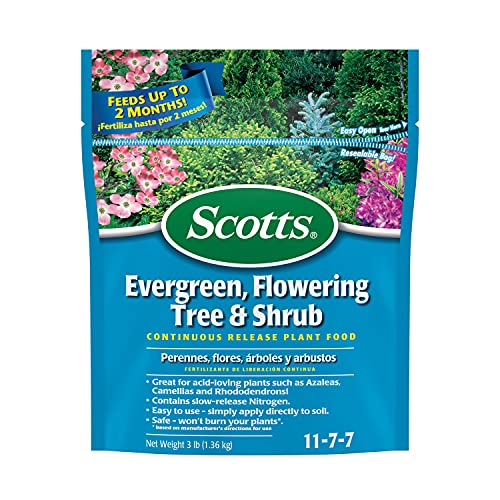
Excellent for evergreens, dogwoods, hydrangeas, magnolias and many other acid-loving trees and shrubs

Contains natural ingredients to feed microbes in the soil
Almond Pest and Disease Control Strategies
Effective pest and disease management is crucial for the health and productivity of almond trees in Columbus, OH. This section outlines various strategies tailored to the unique challenges faced by growers in the Ohio Valley, providing practical solutions to protect these valuable trees from common threats. Understanding these methods will help ensure a successful almond harvest.
Almond trees are susceptible to various pests and diseases that can affect yield. Regular inspections and preventative measures can mitigate these issues.
Monitor for pests like aphids and spider mites.
Apply organic insecticides when infestations occur.
Inspect for fungal diseases and treat with fungicides as needed.
Recommended Products
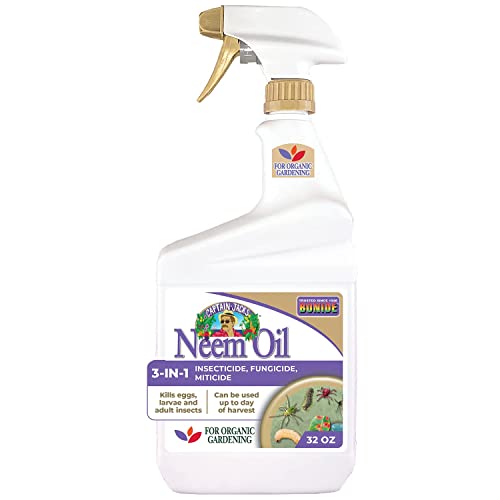
Protect your oasis with 3 garden products in 1 from Captain Jack’s; Bonide Captain Jack’s Ready-to-Use Neem Oil spray for plants is a multi-purpose fungicide, insecticide and miticide for your lawn & garden

Control diseases and insects in your garden with Captain Jack’s Fruit Tree Spray Concentrate! Use on a variety of listed fruits, nuts and citrus plants.

3-IN-1 GARDEN CARE SPRAY - Earth’s Ally 3-in-1 Plant Spray is a ready-to-use botanical oil spray designed for indoor and outdoor plant care. The houseplant pest spray effectively kills and controls soft-bodied insects and common plant diseases with a synergistic blend of essential oils.
Almond Harvest Timing and Techniques in Ohio
In Columbus, Ohio, understanding the optimal timing and techniques for harvesting almond trees is crucial for maximizing yield and quality. This section explores the specific practices that align with the unique climate and soil conditions of the Ohio Valley, ensuring that growers can effectively manage their almond harvests for the best results.
Harvesting almonds requires timing and technique to ensure maximum quality. Nuts should be harvested when the hulls split open, indicating ripeness.
Shake trees gently to release nuts.
Collect fallen nuts and remove debris.
Dry nuts in a shaded area for a few days before storage.
Seasonal Almond Tree Maintenance Strategies
Maintaining almond trees in Columbus, OH requires a tailored approach that accounts for the region’s unique climate and seasonal variations. Understanding the specific care needed during each phase of the growing season can enhance tree health and maximize yield. This section outlines effective maintenance strategies to ensure robust growth and fruitful harvests throughout the year.
Seasonal care is essential for maintaining healthy almond trees. Each season presents unique challenges and opportunities for growth.
Spring: Focus on pruning and fertilizing.
Summer: Monitor water levels and pest activity.
Fall: Prepare for winter by mulching and protecting young trees.
Almond Tree Problem Identification Strategies
Identifying problems with almond trees is crucial for successful cultivation in Columbus, OH. Understanding common issues such as pests, diseases, and environmental stressors can help growers implement effective management strategies. This section outlines practical approaches to diagnose and address these challenges, ensuring healthy growth and optimal yields in the Ohio Valley.
Understanding common problems can help in effective management. Identifying symptoms early can prevent larger issues.
| Symptom | Primary Suspect | Difficulty Level |
|---|---|---|
| Yellowing leaves | Nutrient deficiency | 2 |
| Premature nut drop | Water stress | 3 |
| Fungal infection on leaves | Poor air circulation | 4 |
Almond Tree Maintenance Strategies for Columbus
Maintaining almond trees in Columbus requires a tailored approach that considers the region’s unique climate and soil conditions. Effective strategies encompass proper watering, pruning techniques, and pest management to ensure healthy growth and fruit production. Understanding these maintenance practices is essential for successful almond cultivation in the Ohio Valley.
Regular maintenance and observation are key to successful almond cultivation. Ensure you stay vigilant about environmental changes and adjust care routines accordingly.
Monitor growth patterns and be proactive in addressing any issues.
