

Growing almond trees in South Carolina can be successful despite the heat. Selecting the right varieties and implementing proper care strategies will ensure healthy growth and productive yields.
Best Almond Varieties for South Carolina Heat
Choosing the right almond variety is crucial for success in South Carolina’s climate. Varieties such as ‘Carmel’ and ‘Sonora’ are well-suited due to their heat tolerance and adaptability. These varieties also have a lower chill hour requirement, making them ideal for warmer regions.
Recommended Products

Seed Preparation: Soak the seeds in room-temperature water for 24–48 hours to soften the outer shell and promote germination.
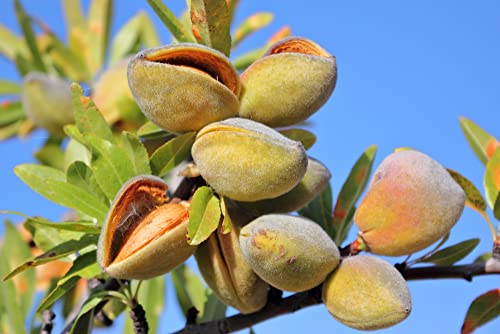

Long-Term Landscape Investment: Imagine your property a few years from now - cooler, greener, and more comfortable. A place where a wide, layered canopy creates natural shade and transforms open space into a relaxing outdoor environment. That future starts with planting a Tropical Almond Tree (Terminalia catappa) today
Top Almond Varieties for South Carolina
Selecting the right almond varieties is crucial for successful cultivation in South Carolina’s unique climate. With its hot summers and mild winters, certain almond types thrive better than others, ensuring a productive yield. This section highlights the top almond varieties suited for the region, focusing on their adaptability and performance in local conditions.
| Variety | Chill Hours Required | Heat Tolerance | Yield Potential |
|---|---|---|---|
| Carmel | 300-400 | High | Moderate to High |
| Sonora | 300-400 | High | High |
| Nonpareil | 400-500 | Moderate | High |
Select a variety that aligns with your local climate and soil conditions for optimal growth.
Soil Preparation Techniques for Almond Cultivation
Successful almond cultivation in South Carolina begins with proper soil preparation, which is crucial for thriving in the region’s heat. Understanding the specific soil requirements and techniques can significantly enhance growth and yield. This section will explore effective methods to optimize soil conditions for almond trees, ensuring they flourish in the Southern climate.
Soil preparation is essential for healthy almond trees. Testing soil pH and nutrient levels will guide amendments. Almond trees prefer well-drained, sandy loam soils with a pH between 6.0 and 7.5.
Soil Improvement Techniques for Almonds
To cultivate healthy almond trees in South Carolina’s challenging climate, soil improvement is essential. This section explores effective techniques to enhance soil quality, ensuring optimal growth conditions for almonds. By focusing on specific amendments and practices, growers can significantly boost their trees’ resilience and productivity in the heat.
Organic Matter: Incorporate compost to improve soil structure.
pH Adjustments: Use lime to raise pH or sulfur to lower it.
Nutrients: Add balanced fertilizers based on soil test results.
Proper soil preparation will enhance root development and nutrient uptake.
Optimal Planting Strategies for Almond Trees
When growing almond trees in South Carolina, understanding optimal planting strategies is crucial for success in the region’s heat. The right techniques can enhance tree health and yield, ensuring that these delicate plants thrive in a climate that presents unique challenges. This section will explore effective methods for planting and nurturing almond trees in this specific environment.
Correct planting techniques are vital for establishing strong almond trees. Choose a sunny location with good air circulation. Planting should occur in spring after the last frost.
Almond Tree Planting Techniques
Successfully planting almond trees in South Carolina requires a keen understanding of local climate conditions and soil types. This section explores effective techniques tailored to the region’s unique environment, ensuring that growers can maximize their yields while adapting to the challenges posed by heat and humidity. Detailed guidance will help both novice and experienced cultivators thrive in their almond-growing endeavors.
Dig a Hole: Create a hole twice the width and depth of the root ball.
Position the Tree: Place the tree in the center, ensuring the graft union is above soil level.
Backfill: Fill the hole with native soil, gently tamping to eliminate air pockets.
Water Thoroughly: Immediately water the tree to settle the soil.
Following these steps will ensure a strong start for your almond trees.
Irrigation Techniques for South Carolina Almonds
Irrigation is crucial for successfully growing almond trees in the heat of South Carolina. Given the state’s unique climate challenges, understanding effective irrigation techniques can significantly impact tree health and nut production. This section explores various methods tailored to optimize water use and ensure robust growth for almond orchards in this region.
Almond trees require consistent moisture, especially during the growing season. Implementing an effective irrigation strategy is essential in South Carolina’s heat.
Recommended Products
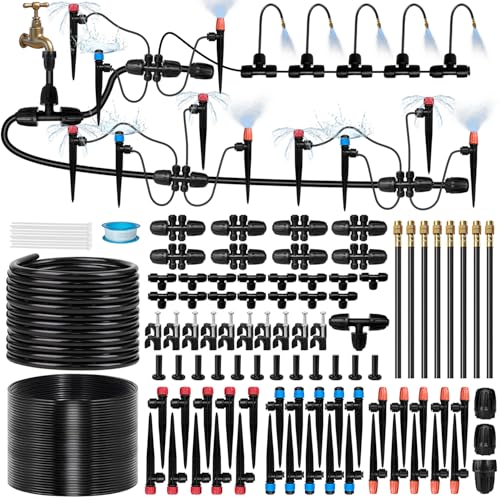
【Upgraded Tube Design & Water Saving】 Our garden watering system is upgraded to 1/2” diameter to support high water pressure. The 1/2” tee connector allows seamless splitting into 2 independent zones for customized watering schedules. By delivering moisture directly to root zones, this drip Irrigation system significantly reduces evaporation and runoff—saving more water compared to conventional sprinklers while eliminating the need for manual watering.

【Universal 1/4 Inch Size Set】- Designed for US market compatibility, Bluepro new drip irrigation system set uses 1/4 inch (6mm) components to address potential mismatches with standard hoses, unlike some 5/16 inch systems(No 1/4 pipe, only 12pcs Adjustable Copper Nobbles and Quick Connectors)

TRUE QUICK CONNECT – NO LEAKS, NO STRUGGLE: Unlike traditional kits that require twisting and force-fitting, our quick-connect design lets you simply push tubing into place. Secure, leak-resistant connections every time — no tools needed.
Drip Irrigation Techniques for Almonds
Effective drip irrigation is crucial for successfully growing almond trees in South Carolina’s hot climate. This technique not only conserves water but also ensures that the trees receive consistent moisture, which is essential for their growth and productivity. Understanding the best practices for implementing drip irrigation can significantly enhance almond yields in this challenging environment.
Drip Irrigation: Provides targeted moisture directly to the roots.
Soaker Hoses: Deliver water slowly to the soil surface.
Regular Monitoring: Check soil moisture levels weekly to avoid over or under-watering.
Proper watering practices will promote healthy growth and fruit development.
Almond Tree Pest and Disease Control Strategies
Managing pests and diseases is crucial for the successful cultivation of almond trees in South Carolina’s warm climate. Understanding the specific threats that these trees face can help growers implement effective control strategies. This section delves into practical methods for safeguarding almond trees against common pests and diseases, ensuring a healthy and productive harvest.
Pests and diseases can threaten almond trees, especially in warm climates. Regular monitoring and preventive measures are essential.
Recommended Products

KILLS LISTED FRUIT & CITRUS TREE INSECTS: Controls Asian Citrus Psyllid, Whiteflies, Aphids Thrips, Citrus Leafminers, Leafhoppers, Blackfly, Mealybugs, Scales, Avocado Lacebugs, Oriental Beetles, Flea Beetles, Sharpshooters, and Spittlebugs

INSECT KILLER: Fast-acting formula kills listed insects including aphids, Japanese beetles, caterpillars, whiteflies, and other listed pests on contact

No chemical exposure to applicator or the environment
Almond Tree Pests and Disease Management
Managing pests and diseases is crucial for the successful cultivation of almond trees in South Carolina’s unique climate. Understanding the common threats and implementing effective control measures can help ensure healthy growth and a bountiful harvest. This section delves into the specific pests and diseases that almond growers may encounter and offers practical strategies for management.
| Pest/Disease | Symptoms | Control Methods |
|---|---|---|
| Peach Tree Borer | Holes in bark | Insecticides, traps |
| Powdery Mildew | White powdery spots | Fungicides, pruning |
| Aphids | Curling leaves | Insecticidal soap |
Implementing integrated pest management strategies will protect your almond trees.
Optimal Almond Harvest Timing
Timing is crucial for a successful almond harvest, especially in the unique climate of South Carolina. Understanding the optimal period for harvesting can significantly impact both yield and quality. This section delves into the best practices for determining when to pick almonds to ensure a fruitful crop in the heat.
Harvesting is the final step in almond cultivation. Timing is critical to ensure optimal flavor and quality.
Ripeness Monitoring for Almond Harvest
Monitoring the ripeness of almond trees is crucial for a successful harvest, especially in the unique climate of South Carolina. Understanding the signs of maturity helps growers determine the optimal time for picking, ensuring the nuts achieve their best flavor and quality. This section delves into effective methods for assessing almond ripeness, tailored to the region’s growing conditions.
Monitor Ripeness: Almonds are ready when the hull splits.
Shake Trees: Use mechanical shakers or hand tools to dislodge nuts.
Collect Nuts: Gather fallen almonds promptly to prevent spoilage.
Dry and Store: Dry almonds in a cool, dark place before storing.
Following these harvesting steps will maximize your yield and quality.
Optimal Practices for Almond Cultivation
Successfully cultivating almond trees in South Carolina requires careful attention to specific practices that adapt to the region’s unique climate and soil conditions. By implementing optimal techniques, growers can enhance tree health, maximize yield, and ensure robust growth despite the challenges posed by heat and humidity. Understanding these practices is essential for achieving fruitful almond production in this southern environment.
Growing almond trees in South Carolina requires attention to detail and adherence to best practices. Soil preparation, variety selection, and proper care will lead to successful cultivation. Regular monitoring for pests and diseases is essential for maintaining tree health.
