

Almond trees can thrive in Rhode Island with the right coastal planting solutions. Utilizing specific techniques and selecting suitable varieties can enhance growth and yield in this unique climate.
Coastal Almond Varieties for Rhode Island
Choosing the right almond varieties is crucial for success in Rhode Island’s coastal environment. Varieties such as ‘Carmel’ and ‘Tuono’ are known for their adaptability to cooler climates. These types also exhibit resistance to common pests and diseases, making them ideal for local conditions.
Top Almond Varieties for Rhode Island
When considering almond trees for Rhode Island’s unique coastal environment, it’s essential to choose varieties that thrive in the region’s climate and soil conditions. The following selections highlight the top almond varieties suited for successful cultivation, ensuring both resilience and productivity for local growers.
| Variety | Characteristics | Hardiness Zone | Yield Potential |
|---|---|---|---|
| Carmel | Self-pollinating, medium size nuts | 5-9 | Moderate |
| Tuono | High-quality nuts, good disease resistance | 6-9 | High |
| Nonpareil | Popular for commercial production | 5-9 | High |
Soil Preparation Techniques for Almond Cultivation
Successful almond cultivation in Rhode Island begins with proper soil preparation, essential for ensuring healthy growth and optimal yields. This section explores effective techniques tailored to the coastal environment, focusing on soil composition, drainage, and nutrient management to create the ideal conditions for almond trees. Understanding these methods will help farmers and gardeners alike achieve thriving orchards.
Soil preparation is essential for healthy almond tree growth. Almonds prefer well-draining soil with a pH between 6.0 and 7.5. Conducting a soil test can help determine nutrient levels and pH balance.
Recommended Products

Kindly NOTE: This soil tester can not be applied to test pH value of any other liquid. If the soil is too dry the indicator will not move, and water it before testing.

Accurate Soil pH Testing: Dewildetradingco Soil pH Test Strips offer measurements of soil pH levels (pH 3.5-9). As an essential tool for every gardener and grower, these test strips help determine the optimal pH for various plants, such as outdoor plants, indoor plants, gardens, grass lawns, fruit trees, flowers, vegetables, and forest shrubs.

✅ 1Dial & 1 LCD Screen - Replace/install all 3 batteries each time. Put button to %RH/°F to - Turn On, and put to LIGHT to - Turn Off. Read the LCD results in 3-5 mins. (Not Water Moisture Meter, so, please don't test liquid)
Soil Testing for Almond Trees
Understanding the soil conditions is crucial for successfully planting almond trees in Rhode Island’s coastal environment. Soil testing helps determine nutrient levels, pH balance, and drainage capabilities, ensuring that the trees receive the optimal conditions for growth. This section explores the importance of soil analysis and the best practices for preparing the land for almond cultivation.
Test the soil for pH and nutrient levels.
Amend the soil with organic matter to improve drainage.
Till the soil to a depth of at least 12 inches.
Add fertilizers based on soil test recommendations.
Coastal Almond Tree Planting Strategies
Rhode Island’s coastal environment presents unique challenges for planting almond trees, requiring tailored strategies to ensure their successful growth. Understanding the specific conditions of this region, including soil type and climate, is crucial for optimizing planting techniques. This section explores effective methods to cultivate almond trees along the coastline, balancing environmental factors with agricultural practices.
Proper planting techniques can significantly impact the success of almond trees. Coastal areas in Rhode Island may experience strong winds and salt exposure, so planting in a sheltered location is advisable.
Sheltered Site Selection for Almond Trees
When planting almond trees in Rhode Island, selecting the right sheltered site is crucial for their growth and productivity. Coastal conditions can pose unique challenges, making it essential to identify locations that offer protection from harsh winds and temperature fluctuations. Understanding these site selection strategies will help ensure a successful almond orchard in this region.
Choose a sheltered site away from direct wind exposure.
Dig a hole twice the width of the root ball and the same depth.
Place the tree in the hole, ensuring the graft union is above soil level.
Backfill with soil and water thoroughly to eliminate air pockets.
Irrigation Strategies for Almond Trees
Effective irrigation is crucial for the successful growth of almond trees, especially in Rhode Island’s coastal climate. This section explores various irrigation strategies tailored to the unique challenges of the region, ensuring that almond trees receive the right amount of water for optimal health and productivity. Understanding these methods can help growers maximize their yields while conserving resources.
Almond trees require consistent moisture, especially during their first few years. However, overwatering can lead to root rot. Establishing an effective irrigation system is vital for maintaining optimal moisture levels.
Recommended Products
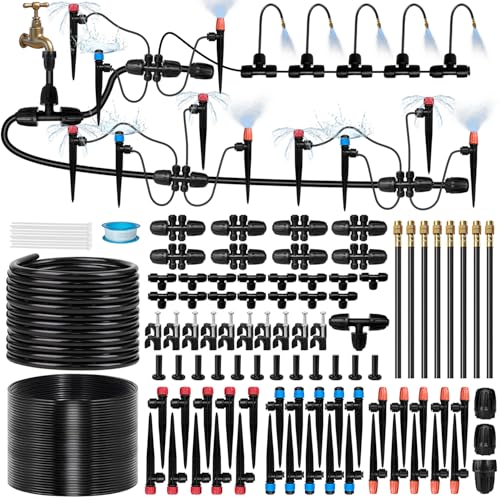
【Upgraded Tube Design & Water Saving】 Our garden watering system is upgraded to 1/2” diameter to support high water pressure. The 1/2” tee connector allows seamless splitting into 2 independent zones for customized watering schedules. By delivering moisture directly to root zones, this drip Irrigation system significantly reduces evaporation and runoff—saving more water compared to conventional sprinklers while eliminating the need for manual watering.
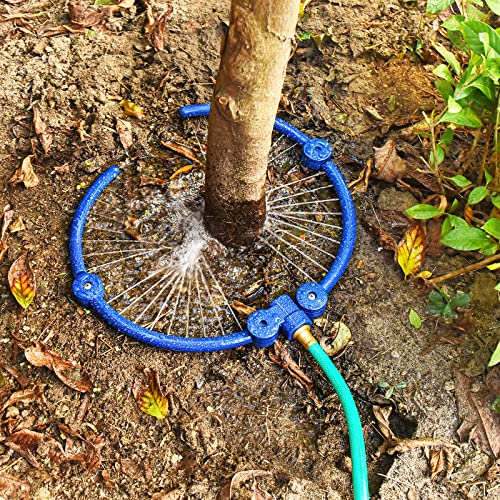
【Specially Designed for Trees and Shrubs】 The Watering Ring is a multi-purpose irrigation ring that attaches to a garden hose to efficiently water young trees shrubs vegetables or flower beds using drip or trickle irrigation.It directs water to the root perimeter of the plant to give them a good start during the first two growing seasons or through periods of drought.

NO MORE HARD INSTALLATION - SET UP IN MINUTES. Tired of struggling with stiff barbed fittings? This drip irrigation system features quick-connect fittings that let you push, lock, and secure tubing effortlessly. No tools, no leaks, just a smooth setup experience. Enjoy a frustration-free installation and get your garden watering system running in minutes.
Drip Irrigation Techniques for Almond Trees
Drip irrigation is a vital technique for successfully cultivating almond trees in Rhode Island’s coastal environment. This method ensures efficient water delivery directly to the roots, promoting healthy growth while conserving water. Understanding various drip irrigation techniques can help optimize almond production in this unique climate.
Drip irrigation is preferred for targeted watering.
Water deeply but infrequently to encourage deep root growth.
Monitor soil moisture levels regularly to adjust watering schedules.
Almond Tree Pest and Disease Control
Managing pests and diseases is crucial for the health of almond trees in Rhode Island’s coastal environment. This section explores common threats to almond trees and offers effective strategies for prevention and control, ensuring a thriving orchard that can withstand local challenges. Understanding these factors is essential for successful almond cultivation in this unique climate.
Pest and disease management is crucial for maintaining healthy almond trees. Common pests include aphids and spider mites, while diseases such as brown rot can affect yields.
Recommended Products

3-IN-1 GARDEN CARE SPRAY - Earth’s Ally 3-in-1 Plant Spray is a ready-to-use botanical oil spray designed for indoor and outdoor plant care. The houseplant pest spray effectively kills and controls soft-bodied insects and common plant diseases with a synergistic blend of essential oils.

Control diseases and insects in your garden with Captain Jack’s Fruit Tree Spray Concentrate! Use on a variety of listed fruits, nuts and citrus plants.

TRIPLE PROTECTION FORMULA: 3-in-1 solution kills listed insects, controls listed diseases, and controls listed mites with one easy application
Pest and Disease Monitoring Techniques
Effective pest and disease monitoring is crucial for the successful cultivation of almond trees in Rhode Island’s coastal environment. This section explores various techniques that can help growers identify and manage potential threats, ensuring healthy trees and optimal yields. Understanding these methods will empower farmers to take proactive measures against common challenges in almond production.
Regularly inspect trees for signs of pests or disease.
Apply organic pesticides as needed to control infestations.
Prune trees to improve airflow and reduce disease risk.
Optimal Almond Harvest Timing in Rhode Island
Understanding the optimal timing for almond harvest in Rhode Island is crucial for maximizing yield and quality. The unique coastal climate influences growth patterns, making it essential for growers to be aware of seasonal variations and specific indicators that signal the right moment for harvesting. This section delves into the key factors that determine the best harvest time for almonds in this region.
Harvesting almonds at the right time ensures maximum quality and yield. Almonds are typically ready for harvest when the hulls split and nuts fall to the ground.
Hull Splitting Monitoring Techniques
Monitoring hull splitting in almond trees is crucial for ensuring healthy growth and maximizing yield. In Rhode Island’s unique coastal environment, understanding the specific techniques for observing this phenomenon can help growers effectively manage their orchards. This section explores various methods to monitor hull splitting and their relevance to local agricultural practices.
Monitor the trees for hull splitting.
Shake the trees gently to dislodge nuts.
Collect fallen nuts and remove debris.
Dry the nuts in a shaded area before storage.
Health Advantages of Rhode Island Almonds
Almonds grown in Rhode Island offer a range of health benefits that make them a valuable addition to any diet. Rich in essential nutrients, these nuts are known for their heart-healthy properties and potential to support weight management. Understanding the specific advantages of Rhode Island almonds can help consumers make informed choices about incorporating them into their lifestyles.
Almonds are not only a versatile ingredient but also offer numerous health benefits. They are rich in essential nutrients and can be included in various diets.
Almond Tree Nutritional Benefits
Almond trees offer not only aesthetic value but also significant nutritional benefits, making them a valuable addition to Rhode Island’s coastal landscapes. Rich in healthy fats, protein, and essential vitamins, almonds support overall health and wellness. Understanding these benefits can help cultivate a deeper appreciation for this versatile tree and its contributions to both local ecosystems and human diets.
High in protein and healthy fats
Rich in vitamin E and magnesium
May support heart health and weight management
Coastal Almond Tree Planting Essentials
Planting almond trees in Rhode Island’s coastal regions presents unique challenges and opportunities. Understanding the specific requirements for soil, climate, and care is crucial for successful growth. This section outlines the essential factors to consider when establishing almond trees in these coastal environments, ensuring healthy trees and fruitful harvests.
Coastal planting of almond trees in Rhode Island requires careful planning and execution. Selecting the right varieties, preparing the soil, and managing pests are essential for success.
Be vigilant about local climate conditions and adjust your practices accordingly.
