

Growing quince trees in pots in Montana can be a rewarding endeavor with proper strategies. To achieve indoor success, focus on selecting the right pot, ensuring adequate light, and managing temperature and humidity levels effectively.
Pot Size and Material for Quince Trees
Choosing the appropriate pot is crucial for the health of your quince tree. A pot that is too small can hinder root growth, while one that is too large can retain excess moisture, leading to root rot. Consider the following factors when selecting a pot:
Size: Start with a pot that is at least 12-16 inches in diameter.
Material: Choose ceramic or terra cotta for better breathability.
Drainage: Ensure the pot has drainage holes to prevent water accumulation.
| Pot Size | Recommended Diameter | Material Options |
|---|---|---|
| Small | 12-14 inches | Ceramic, Terra Cotta |
| Medium | 14-16 inches | Plastic, Wood |
| Large | 16+ inches | Metal, Fiberglass |
Maximizing Indoor Light for Quince Trees
Quince trees thrive on ample light, making indoor placement crucial for their growth, especially in Montana’s variable climate. Understanding how to maximize light exposure can significantly enhance their health and fruit production. This section explores effective strategies to ensure your quince trees receive the optimal light they need to flourish indoors.
Quince trees require plenty of light to thrive indoors. Position your pot near a south-facing window to maximize sunlight exposure. If natural light is insufficient, consider supplemental lighting options.
LED Grow Lights: Use full-spectrum lights for optimal growth.
Light Duration: Aim for 12-16 hours of light daily.
Rotation: Rotate the pot weekly to ensure even light distribution.
Temperature and Humidity Control for Quince Trees
Maintaining the right temperature and humidity levels is crucial for the successful growth of quince trees in pots, especially in Montana’s variable climate. Understanding how to create an optimal indoor environment will help ensure these trees thrive and produce fruit. This section explores effective strategies for temperature and humidity control tailored to the unique challenges of indoor quince cultivation.
Maintaining the right temperature and humidity is essential for quince trees. They prefer a stable environment to flourish.
Temperature: Keep the indoor temperature between 65°F and 75°F.
Humidity: Use a humidifier or pebble tray to maintain humidity levels above 40%.
Drafts: Avoid placing the pot near drafts or heating vents.
Optimal Watering and Fertilization for Quince Trees
Proper watering and fertilization are crucial for the health and productivity of quince trees grown in pots, especially in Montana’s unique climate. Understanding the specific needs of these trees can help ensure they thrive indoors, providing both beauty and fruit. This section will explore the best practices for maintaining optimal moisture levels and nutrient balance for potted quince trees.
Proper watering and fertilization are vital for the health of your quince tree. Overwatering can be detrimental, while underwatering can stunt growth.
Watering Frequency: Water when the top inch of soil feels dry.
Fertilizer: Use a balanced, slow-release fertilizer every 4-6 weeks during the growing season.
Signs of Overwatering: Yellowing leaves and wilting can indicate excessive moisture.
| Fertilizer Type | Application Frequency | Nutrient Ratio |
|---|---|---|
| Granular | Every 4-6 weeks | 10-10-10 |
| Liquid | Bi-weekly | 20-20-20 |
Recommended Products

Made for Lemon & Citrus Trees – Formulated to support healthy growth in lemon and citrus plants.
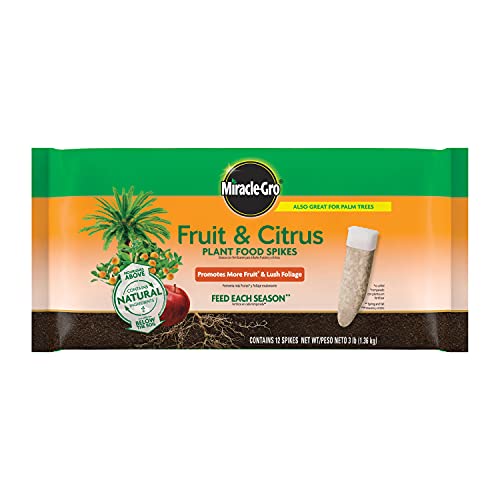
FORMULATED FOR CITRUS AND FRUIT TREES: Use these citrus fertilizer spikes on apple, orange, lemon, lime, and avocado trees; this formula is also great for feeding palm trees

Miracle-Gro Shake 'N Feed Citrus, Avocado, Mango Plant Food contains added potassium, magnesium, sulfur, and iron to help improve common nutrient deficiencies
Pruning Strategies for Potted Quince Trees
Pruning is essential for maintaining the health and productivity of potted quince trees, especially in Montana’s unique climate. Proper techniques not only promote growth but also enhance fruit quality. Understanding the best practices for pruning will help ensure your indoor quince thrives throughout the year.
Regular pruning encourages healthy growth and fruit production. Proper techniques can help shape the tree and remove any dead or diseased branches.
Timing: Prune in late winter or early spring before new growth begins.
Tools: Use sharp, clean pruning shears to avoid damaging the plant.
Technique: Remove any crossing branches and thin out crowded areas.
Pest Control Strategies for Indoor Quince Trees
Managing pests is crucial for the health of indoor quince trees, especially in Montana’s unique climate. Effective pest control strategies can help ensure these trees thrive indoors, providing both beauty and fruit. This section explores practical methods to protect your quince trees from common pests while maintaining a healthy growing environment.
Indoor quince trees can be susceptible to pests and diseases. Regular monitoring and preventive measures can help maintain plant health.
Common Pests: Watch for aphids, spider mites, and scale insects.
Disease Prevention: Ensure good air circulation and avoid overhead watering.
Treatment Options: Use insecticidal soap or neem oil for pest control.
| Pest Type | Symptoms | Treatment |
|---|---|---|
| Aphids | Curling leaves | Insecticidal soap |
| Spider Mites | Webbing on leaves | Neem oil |
| Scale Insects | Sticky residue | Rubbing alcohol |
Optimal Quince Harvest Timing and Techniques
Understanding the best timing and techniques for harvesting quince is crucial for maximizing yield and flavor, especially in a challenging climate like Montana. This section delves into the optimal periods for picking quince and offers practical tips to ensure a successful indoor harvest, allowing gardeners to enjoy the fruits of their labor in any season.
Once your quince tree begins to bear fruit, knowing when and how to harvest is important. Quince fruit should be harvested when they are firm and aromatic.
Timing: Harvest in late fall when the fruit turns yellow.
Technique: Gently twist the fruit to detach it from the tree.
Storage: Store in a cool, dry place for optimal ripening.
Careful attention to these strategies can lead to successful indoor quince cultivation in Montana. Monitor your tree’s needs regularly for the best results.
