

Growing almond trees in Nevada requires specific strategies to adapt to the desert climate. Proper planting techniques, soil management, and irrigation practices ensure successful cultivation and yield.
Desert Climate Challenges for Almond Cultivation
Growing almond trees in Nevada presents unique challenges due to the harsh desert climate. High temperatures, low humidity, and limited rainfall can hinder growth and yield. Understanding these environmental factors is crucial for successful almond cultivation in this arid region, as effective strategies must be implemented to overcome these obstacles.
Nevada’s desert climate presents unique challenges for growing almond trees. The high temperatures and low humidity can stress the trees if not managed properly. Understanding these conditions is crucial for successful growth.
Key factors to consider include:
Temperature fluctuations
Soil composition
Water availability
Recommended Products
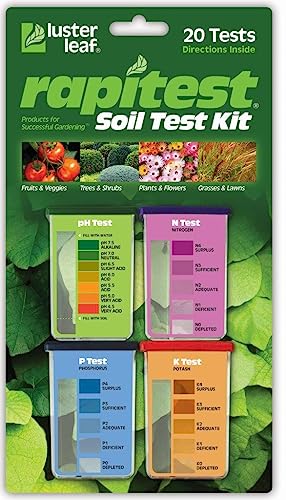
Quick, at home results for Soil pH, Nitrogen, Phosphorous and Potash Innovative and inexpensive soil test kit features an easy-to-use capsule system and patented color comparators

Kindly NOTE: This soil tester can not be applied to test pH value of any other liquid. If the soil is too dry the indicator will not move, and water it before testing.

Accurate Soil pH Testing: Dewildetradingco Soil pH Test Strips offer measurements of soil pH levels (pH 3.5-9). As an essential tool for every gardener and grower, these test strips help determine the optimal pH for various plants, such as outdoor plants, indoor plants, gardens, grass lawns, fruit trees, flowers, vegetables, and forest shrubs.
Desert Soil Enhancement for Almond Cultivation
Enhancing desert soil is crucial for successful almond cultivation in Nevada’s challenging climate. This section explores effective strategies to improve soil quality, focusing on techniques that increase moisture retention and nutrient availability. By understanding these methods, growers can create a more favorable environment for almond trees to thrive in arid conditions.
Soil quality is vital for the health of almond trees. Desert soils often lack essential nutrients and organic matter. Preparing the soil properly enhances drainage and nutrient retention.
To prepare your soil:
Test the soil pH, aiming for a range of 6.0 to 7.5.
Amend with organic matter such as compost to improve fertility.
Incorporate sand or perlite to enhance drainage.
| Soil Component | Recommended Action | Importance |
|---|---|---|
| pH Level | Test and adjust | Nutrient absorption |
| Organic Matter | Add compost | Soil structure |
| Drainage | Improve with sand | Root health |
Irrigation Strategies for Almond Trees
Irrigation is crucial for the successful cultivation of almond trees in Nevada’s arid climate. Given the region’s limited rainfall and high evaporation rates, implementing effective irrigation strategies can significantly enhance tree health and nut production. This section explores various methods tailored to optimize water use while ensuring robust growth and yield.
Irrigation is critical in the arid Nevada climate. Proper watering strategies help sustain almond trees during dry spells. Implementing efficient irrigation methods conserves water while ensuring trees receive adequate moisture.
Consider these irrigation techniques:
Drip irrigation systems deliver water directly to the roots.
Mulching around the base retains soil moisture and reduces evaporation.
Monitor soil moisture levels regularly to adjust watering schedules.
Almond Tree Pest Control Techniques
Effective pest control is crucial for the successful cultivation of almond trees in Nevada’s unique desert environment. This section explores various techniques tailored to combat common pests that threaten almond crops, ensuring healthy growth and optimal yields. By implementing these strategies, growers can safeguard their investments and promote sustainable farming practices.
Pests can pose a significant threat to almond trees in Nevada. Effective pest management is essential to protect your investment. Regular monitoring and proactive measures help mitigate infestations.
Implement these pest management strategies:
Inspect trees weekly for signs of pests.
Apply organic insecticides when necessary.
Encourage beneficial insects like ladybugs to control pest populations.
Almond Harvest Timing and Care Techniques
Understanding the optimal timing for almond harvest and the care techniques required is crucial for successful cultivation in Nevada’s challenging climate. This section delves into the specific practices that ensure healthy yields, from monitoring maturity to implementing effective post-harvest care. By following these guidelines, growers can maximize their almond production while adapting to the unique conditions of desert planting.
Harvesting almonds at the right time ensures optimal flavor and quality. Post-harvest care is equally important to maintain the integrity of the nuts.
Follow these steps for successful harvesting:
Monitor nut maturity, typically in late summer to early fall.
Shake trees gently to dislodge ripe almonds.
Dry harvested almonds in a shaded area to prevent mold.
| Harvesting Step | Action | Timing |
|---|---|---|
| Monitor Maturity | Check nut color | Late summer |
| Shake Trees | Use mechanical shakers | Early fall |
| Dry Almonds | Place in shade | Immediately after harvest |
Best Almond Varieties for Nevada’s Climate
When selecting almond varieties for Nevada’s unique climate, it’s essential to consider factors such as heat tolerance and drought resistance. Certain cultivars thrive in arid conditions, offering the best chances for successful growth and a fruitful harvest. Understanding these options will help growers make informed decisions tailored to the desert environment.
Choosing the right almond varieties is crucial for success in Nevada. Some varieties are more tolerant of heat and drought than others. Selecting appropriate cultivars can enhance yield and resilience.
Consider these varieties:
Carmel: Known for high yield and quality.
Sonora: Adaptable to various climates and drought-resistant.
Tuono: Suitable for hot, dry conditions.
Each variety has unique characteristics that can influence your success in growing almond trees in Nevada.
Successful Almond Cultivation in Nevada
Successful almond cultivation in Nevada requires a strategic approach tailored to the unique challenges of the desert environment. Understanding the specific conditions that influence growth, such as soil quality, water availability, and climate, is essential for maximizing yield and ensuring the health of the trees. This section explores effective methods and practices for thriving almond orchards in arid regions.
Growing almond trees in Nevada requires careful planning and management. Understanding the climate, soil, irrigation, pest control, and variety selection is essential for successful cultivation.
