

Growing quince trees in pots in Illinois is feasible with proper indoor care. These trees thrive when given the right conditions, including light, temperature, and soil. This guide provides essential tips for successfully cultivating quince trees indoors.
Best Quince Varieties for Container Growth
When selecting quince varieties for container growth in Illinois, it’s essential to choose those that thrive in limited space while still producing quality fruit. Certain cultivars are better suited for pot cultivation, offering resilience and adaptability to indoor conditions. This section highlights the best quince varieties to consider for successful potted growth.
Choosing the correct variety of quince is crucial for successful pot cultivation. Common varieties include Smyrna and Pineapple, both known for their adaptability to container growth. These varieties produce fruit and can tolerate indoor conditions better than others.
Container-Friendly Quince Varieties
When considering quince trees for container gardening in Illinois, it’s essential to choose varieties that thrive in limited space. Certain types are particularly well-suited for pot cultivation, offering both ornamental beauty and the potential for fruit production. Understanding these container-friendly options can help you successfully grow quince trees indoors or on patios.
| Variety | Description | Fruit Quality | Growth Habit |
|---|---|---|---|
| Smyrna | Large fruits, sweet flavor | High | Compact |
| Pineapple | Aromatic, flavorful fruits | Medium | Spreading |
| Pineapple Quince | Smaller, yellow fruits | High | Upright |
Choose the Right Potting Soil
Selecting the appropriate potting soil is crucial for the successful growth of quince trees in pots, especially in Illinois’ unique climate. The right mix not only supports healthy root development but also ensures proper drainage and nutrient availability. Understanding the specific soil requirements will set the foundation for thriving indoor quince trees.
The right potting soil is essential for healthy quince trees. A well-draining mix helps prevent root rot while providing necessary nutrients. Look for a blend that includes peat moss, perlite, and compost.
Recommended Products

INDOOR GROWING: Growing indoors is easy under the right conditions; Miracle-Gro Houseplant Potting Mix is an indoor plant potting soil that combines key elements container plants need to thrive

STARTING A TROPICAL GARDEN- Comprised of real horticultural grade ingredients such as shredded coir husk, pine bark, perlite, sand, and garden lime; no pelletized fertilizer

Hand Blended Money Tree Soil- Hand blended soil perfect for growing money tree plants, Great for repotting or planting money trees.
Ideal Soil Mix for Quince Pots
Choosing the right soil mix is crucial for the health and growth of quince trees in pots, especially in Illinois’ unique climate. A well-balanced, well-draining soil not only supports root development but also ensures that the tree receives the necessary nutrients. Understanding the ideal soil composition will help you create an optimal environment for your quince tree to thrive indoors.
Peat Moss: Retains moisture and provides nutrients
Perlite: Improves drainage and aeration
Compost: Adds organic matter and nutrients
Optimal Light and Temperature for Quince Trees
Quince trees thrive under specific light and temperature conditions, making it essential for indoor growers in Illinois to understand their needs. Proper exposure to sunlight and maintaining an ideal temperature range will significantly influence the health and fruit production of these unique trees. This section delves into the optimal environmental factors necessary for successful quince cultivation in pots.
Quince trees require plenty of light to thrive indoors. Aim for at least 6 hours of direct sunlight daily. If natural light is insufficient, consider using grow lights to supplement.
Optimal Daytime Temperatures for Quince
Understanding the ideal daytime temperatures for quince trees is crucial for successful growth, especially when cultivating them in pots in Illinois. These temperature guidelines will help ensure your trees thrive indoors, promoting healthy development and fruit production throughout the growing season. Proper temperature management can make a significant difference in the overall health of your quince trees.
Daytime: 65-75°F
Nighttime: 50-60°F
Quince Tree Watering and Fertilizing Guidelines
Proper watering and fertilizing are essential for the health and productivity of quince trees grown in pots, especially in Illinois’ varying climate. Understanding the specific needs of these trees will help ensure they thrive indoors, producing lush foliage and potentially fruitful harvests. This section outlines key guidelines to effectively manage water and nutrients for your potted quince tree.
Proper watering and fertilizing are vital for quince tree health. Water when the top inch of soil feels dry. Overwatering can lead to root rot, while underwatering can stress the plant.
Recommended Products

Made for Lemon & Citrus Trees – Formulated to support healthy growth in lemon and citrus plants.
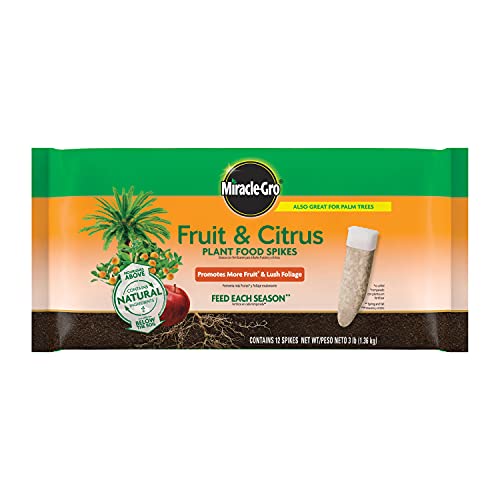
FORMULATED FOR CITRUS AND FRUIT TREES: Use these citrus fertilizer spikes on apple, orange, lemon, lime, and avocado trees; this formula is also great for feeding palm trees

Package contains 4 Pounds organic fruit and citrus fertilizer grains and is produced to avoid wasteful runoff, mess, hazards and smells
Pot Fertilization Timing for Quince Trees
Proper fertilization is crucial for the health and productivity of quince trees grown in pots, especially in Illinois’ unique climate. Understanding the timing of fertilization can significantly enhance growth and fruit quality. This section will outline the best practices for fertilizing your potted quince trees to ensure they thrive indoors.
Spring: Use a balanced fertilizer every 4-6 weeks
Summer: Continue feeding every 4-6 weeks
Fall/Winter: Reduce feeding frequency
Pruning Techniques for Healthy Quince Trees
Pruning is essential for maintaining the health and shape of quince trees, especially when grown in pots. Proper techniques not only promote vigorous growth but also enhance fruit production. Understanding the right methods for pruning can significantly impact the overall success of your quince tree in Illinois.
Regular pruning helps maintain the shape and health of quince trees. Remove any dead or diseased branches to promote airflow. Aim for a balanced structure to allow light to penetrate the canopy.
Pruning Techniques for Potted Quince Trees
Pruning is essential for maintaining the health and shape of potted quince trees, especially in Illinois where space may be limited. Proper techniques can enhance air circulation, promote fruit production, and prevent disease. This section will explore effective pruning methods tailored for indoor quince care, ensuring your tree thrives in a confined environment.
Assess the tree for dead or diseased branches.
Use sharp pruning shears to make clean cuts.
Trim back excessive growth to maintain shape.
Indoor Quince Tree Pest Control Strategies
Managing pests is crucial for the health of indoor quince trees, especially in Illinois where environmental conditions can vary. Effective pest control strategies not only protect the plants but also ensure they thrive in a pot. Understanding common pests and their management will help you maintain a thriving indoor quince tree.
Pest and disease issues can affect indoor quince trees. Regularly inspect for common pests like aphids and spider mites. Implement preventative measures to keep your trees healthy.
Pest Management Strategies for Quince Trees
Managing pests is crucial for the health of quince trees, especially when grown in pots in Illinois. This section outlines effective strategies to identify and control common pests that may threaten your indoor plants, ensuring they thrive throughout the growing season. By implementing these methods, you can maintain the vitality and productivity of your quince trees.
| Pest | Symptoms | Treatment |
|---|---|---|
| Aphids | Sticky residue, curled leaves | Insecticidal soap |
| Spider Mites | Webbing, yellowing leaves | Neem oil |
| Scale Insects | Sticky residue, dark spots | Horticultural oil |
Identifying Quince Tree Stress Indicators
Recognizing stress indicators in quince trees is essential for maintaining their health, especially when grown in pots. In Illinois, where climate conditions can vary, understanding these signs can help you take timely action to ensure your tree thrives indoors. This section will explore the common symptoms of stress in quince trees and how to address them effectively.
Keeping an eye on your quince tree for signs of stress can help you address issues early. Yellowing leaves, stunted growth, or leaf drop can indicate problems with light, water, or nutrients.
Yellowing Leaves and Care Solutions
Yellowing leaves on quince trees can be a common concern for indoor gardeners, especially in Illinois. This section explores the potential causes of leaf discoloration and offers practical care solutions to help restore your plant’s health, ensuring it thrives in a pot even in less-than-ideal conditions. Understanding these issues is crucial for maintaining vibrant foliage and overall plant vitality.
Yellowing Leaves: Often a sign of overwatering or nutrient deficiency
Stunted Growth: May indicate insufficient light or poor soil quality
Leaf Drop: Can result from temperature fluctuations or underwatering
Quince Fruit Harvesting Techniques
Harvesting quince fruit requires careful timing and technique to ensure the best flavor and quality. In Illinois, where growing conditions can vary, understanding the right methods for picking and handling quince is essential for maximizing your yield. This section will explore effective harvesting techniques tailored for potted quince trees.
Harvesting quince fruits requires patience. They typically ripen in late fall. The fruit should be firm and yellow when ready to pick.
Quince Harvesting Techniques for Container Growth
Harvesting quince from container-grown trees requires specific techniques to ensure fruit quality and tree health. Understanding the right timing and methods for picking will enhance your yield and maintain the vitality of your plant. This section will guide you through effective harvesting practices tailored for quince trees thriving in pots.
Check for ripeness by pressing gently.
Use pruning shears to cut the fruit from the tree.
Store in a cool, dry place until ready to use.
Regular care and attention can lead to a fruitful indoor quince tree. Follow these guidelines to ensure your quince thrives in a pot in Illinois.
