

Spraying neem oil on walnut trees is most effective when pests are actively feeding or during specific growth stages. Apply neem oil in the early morning or late evening to avoid harming beneficial insects and to enhance absorption.
Optimal Neem Oil Application Timing for Walnuts
Neem oil serves as a natural pesticide and fungicide, making it a popular choice for organic walnut growers. It disrupts the life cycle of pests and can help control diseases like powdery mildew. Knowing when to apply neem oil is crucial for maximizing its effectiveness while minimizing potential harm to beneficial insects.
Recommended Products

Protect your oasis with 3 garden products in 1 from Captain Jack’s; Captain Jack’s Ready-to-Use Neem Oil spray for plants is a multi-purpose fungicide, insecticide and miticide for your lawn and garden

INSECT KILLER: BioAdvanced Organics Brand Neem Oil spray controls aphids, whiteflies, spider mites, and other listed pests
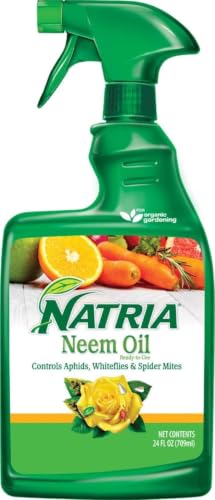
PLANT DISEASE CONTROL: Natria Neem Oil acts as an insecticide and fungicide in one convenient spray; Ready-to-use trigger sprayer requires no mixing
Target Pests Affecting Walnut Trees
Understanding the specific pests that threaten walnut trees is crucial for effective pest management. This section delves into the common insects and diseases that can compromise the health of these trees, providing insights on their identification and the timing for neem oil application to protect your organic nut crop.
Before applying neem oil, identify the specific pests or diseases affecting your walnut trees. Common issues include:
Walnut husk fly: Larvae feed on developing nuts.
Aphids: These pests suck sap from leaves, causing wilting.
Powdery mildew: A fungal disease that appears as white powder on leaves.
Understanding these threats helps determine the best timing for neem oil application.
Best Times to Apply Neem Oil on Walnuts
Timing is crucial when using neem oil on walnut trees to ensure effective pest control and disease prevention. Understanding the best application periods can significantly enhance the health of your nut crops while minimizing potential damage. This section outlines the optimal times for neem oil application to maximize its benefits for walnut trees.
Timing is critical for effective neem oil use. The ideal periods for spraying are:
Early spring: Apply when buds swell but before leaves fully emerge.
Mid-summer: Spray during peak pest activity, especially for walnut husk flies and aphids.
Fall: Use neem oil to combat any remaining fungal issues before dormancy.
Neem Oil Application Preparation Steps
Preparing to spray neem oil on walnut trees requires careful attention to detail to ensure effectiveness and safety. Understanding the necessary steps for application will help you protect your trees from pests while promoting healthy growth. This section outlines the essential preparations needed before applying neem oil to your walnut trees.
Preparation ensures effective application and safety. Follow these steps:
Gather supplies: Obtain quality neem oil, a spray bottle, and protective gear.
Mix solution: Combine neem oil with water according to the manufacturer’s instructions. A typical ratio is 2 tablespoons of neem oil per gallon of water.
Test spray: Apply a small amount to a few leaves to check for adverse reactions.
Neem Oil Application Safety Guidelines
Applying neem oil to walnut trees can be an effective organic solution for pest management, but safety is paramount. Understanding the guidelines for application ensures not only the health of your trees but also the safety of surrounding wildlife and beneficial insects. This section outlines essential safety precautions to consider when using neem oil in your nut crop practices.
Safety is paramount when using neem oil. Follow these guidelines:
Wear protective gear: Use gloves and a mask to avoid skin and respiratory irritation.
Avoid windy days: Wind can spread the spray to non-target plants.
Check local regulations: Ensure neem oil use complies with local organic farming guidelines.
Post-Application Neem Oil Monitoring
After applying neem oil to walnut trees, it’s essential to monitor their condition to ensure the treatment’s effectiveness and the trees’ health. Observing the trees for signs of pest activity, leaf discoloration, or other stress indicators can help determine if further applications are necessary. This careful monitoring will support the overall health of your nut crop.
After applying neem oil, monitor your walnut trees for signs of improvement or any adverse reactions. Look for:
Reduced pest activity
Improved leaf health
Any signs of phytotoxicity, such as leaf burn
Neem Oil Application Timing for Walnut Trees
Timing is crucial when applying neem oil to walnut trees to ensure maximum effectiveness against pests and diseases. Understanding the specific growth stages and environmental conditions will help optimize the benefits of this organic treatment. This section outlines the best times to spray neem oil for healthy walnut production.
| Timing | Target Pests | Application Difficulty |
|---|---|---|
| Early Spring | Walnut husk fly | 2 |
| Mid-Summer | Aphids | 3 |
| Fall | Powdery mildew | 2 |
Neem Oil Application Challenges for Walnut Trees
Applying neem oil to walnut trees can present unique challenges that require careful consideration. Factors such as timing, environmental conditions, and tree health all play a crucial role in the effectiveness of this organic treatment. Understanding these challenges is essential for ensuring the successful use of neem oil in protecting walnut crops.
If neem oil does not yield expected results, consider these factors:
Incorrect timing: Ensure applications coincide with pest life cycles.
Improper mixing: Verify that the neem oil is adequately diluted.
Environmental conditions: High temperatures can reduce neem oil effectiveness.
Integrating Neem Oil in Pest Control Plans
Integrating neem oil into pest control plans for walnut trees can enhance the health and yield of your nut crops. This natural pesticide not only targets various pests but also supports sustainable farming practices. Understanding the optimal timing and application methods is crucial for maximizing its effectiveness while minimizing potential harm to beneficial insects.
Incorporate neem oil into a broader pest management plan. Consider these strategies:
Crop rotation: Change planting locations to disrupt pest life cycles.
Companion planting: Use plants that repel pests or attract beneficial insects.
Regular monitoring: Keep a close watch on tree health and pest populations.
Using neem oil effectively on walnut trees requires careful timing and preparation. By understanding the specific needs of your trees and the pests affecting them, you can maintain a healthy, productive orchard.
