

Pomegranate trees thrive in New Jersey when planted in well-drained soil and receive ample sunlight. Proper care and attention to local climate conditions ensure healthy growth and fruit production.
Pomegranate Tree Growth Patterns in New Jersey
Pomegranate trees are deciduous shrubs that can reach heights of 8 to 12 feet. They thrive in USDA hardiness zones 7 to 10, making them suitable for many areas in New Jersey. These trees require full sun exposure for at least six hours daily to produce fruit effectively. Understanding their growth habits is essential for successful cultivation.
Ideal Soil Types for Pomegranate Cultivation
Understanding the ideal soil types for pomegranate cultivation is crucial for gardeners in New Jersey aiming to maximize their harvest. The right soil conditions not only support healthy growth but also enhance fruit quality. This section delves into the specific soil characteristics that promote successful pomegranate tree development in the Garden State.
Pomegranate trees prefer well-drained, sandy loam soil with a pH between 5.5 and 7.0. Poor drainage can lead to root rot, which is detrimental to the tree’s health.
| Soil Type | Drainage | pH Level | Nutrient Content |
|---|---|---|---|
| Sandy Loam | Excellent | 5.5-7.0 | Moderate |
| Clay | Poor | 6.0-8.0 | High |
| Silt | Moderate | 6.5-7.5 | Moderate |
To prepare the soil, test the pH and amend it as needed. Incorporate organic matter like compost to improve nutrient availability and drainage.
Best Pomegranate Varieties for New Jersey
When selecting pomegranate varieties for New Jersey, it’s essential to consider the local climate and soil conditions. Certain types thrive better in this region, offering both resilience and flavorful fruit. This section explores the best pomegranate varieties suited for New Jersey gardens, ensuring a successful and fruitful planting experience.
Selecting the appropriate variety is crucial for success in New Jersey. Some varieties are better suited for colder climates, while others flourish in warmer regions.
Top Pomegranate Varieties for New Jersey
When cultivating pomegranate trees in New Jersey, selecting the right variety is crucial for successful growth and fruit production. The state’s unique climate and soil conditions influence which pomegranate types thrive best. This section highlights the top pomegranate varieties suited for New Jersey, ensuring gardeners can make informed choices for their landscapes.
Wonderful: Known for its large, sweet fruit and vigorous growth.
Angel Red: Produces juicy, flavorful fruit with a high yield.
Sweet: Ideal for cooler climates, offers a sweeter taste.
Consider local nurseries for availability and consult with gardening experts for tailored advice.
Pomegranate Tree Planting Best Practices
Pomegranate trees can thrive in New Jersey’s unique climate, but successful planting requires attention to specific practices. Understanding soil conditions, sun exposure, and proper watering techniques is essential for cultivating healthy trees that yield vibrant fruit. This section outlines the best strategies to ensure your pomegranate trees flourish in the Garden State.
Proper planting techniques ensure strong root development and tree longevity. Choose a planting site that receives full sun and has good air circulation to prevent fungal diseases.
Pomegranate Sapling Planting Instructions
Planting pomegranate saplings in New Jersey requires careful attention to local climate and soil conditions. Understanding the best practices for planting will ensure healthy growth and fruit production. This section provides detailed instructions to help you successfully establish pomegranate trees in your garden.
Select a healthy sapling from a reputable nursery.
Dig a hole twice as wide and as deep as the root ball.
Place the sapling in the center of the hole, ensuring the graft union is above soil level.
Backfill with soil, gently tamping down to eliminate air pockets.
Water generously after planting to settle the soil.
Monitor the tree for signs of stress, such as wilting or yellowing leaves.
Irrigation Techniques for Pomegranate Trees
Effective irrigation is crucial for the successful growth of pomegranate trees in New Jersey’s unique climate. Understanding the specific watering needs of these trees can significantly enhance fruit production and overall health. This section explores various irrigation techniques tailored to optimize the cultivation of pomegranates in the Garden State.
Pomegranate trees require consistent moisture, especially during the growing season. However, overwatering can lead to root issues.
Recommended Products

2.0 gallon per hour pressure-compensating emitter delivers same uniform flow rate from beginning to end of tubing runs

1.0 gallon per hour pressure-compensating emitter delivers same uniform flow rate from beginning to end of tubing runs
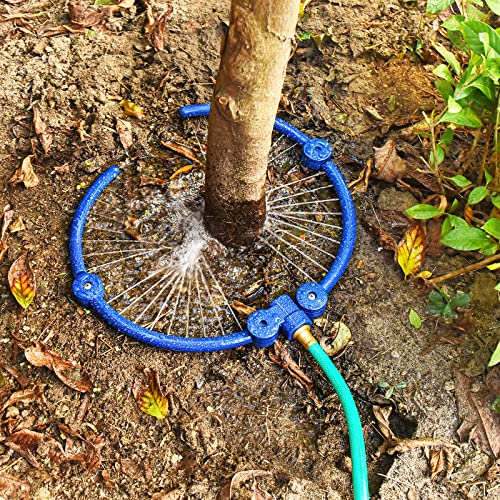
【Specially Designed for Trees and Shrubs】 The Watering Ring is a multi-purpose irrigation ring that attaches to a garden hose to efficiently water young trees shrubs vegetables or flower beds using drip or trickle irrigation.It directs water to the root perimeter of the plant to give them a good start during the first two growing seasons or through periods of drought.
First-Year Pomegranate Watering Guidelines
Establishing a pomegranate tree in New Jersey requires careful attention to watering, especially during its first year. Proper hydration is crucial for promoting healthy root development and ensuring the tree thrives in the Garden State’s climate. Understanding specific watering guidelines can make a significant difference in the success of your pomegranate cultivation.
First Year: Water deeply once a week.
After Establishment: Water every two weeks, adjusting based on rainfall.
Fertilization should occur in early spring. Use a balanced fertilizer with a ratio of 10-10-10 to promote healthy growth.
Pomegranate Pest and Disease Control Strategies
Managing pests and diseases is crucial for the successful cultivation of pomegranate trees in New Jersey. This section outlines effective strategies tailored to the unique challenges posed by the region’s climate and ecosystem. By implementing these control measures, gardeners can ensure healthy growth and fruitful harvests.
Pomegranate trees are susceptible to various pests and diseases, including aphids, scale, and fungal infections. Regular monitoring helps in early detection.
Pomegranate Tree Pest Management
Managing pests is crucial for the health of pomegranate trees in New Jersey, where various insects and diseases can threaten their growth and fruit production. Understanding common pests and implementing effective control measures will help ensure a thriving garden. This section explores practical strategies for maintaining pest-free pomegranate trees in the Garden State.
Aphids: Small, green insects that suck sap. Use insecticidal soap for control.
Scale: Hard, waxy insects that can weaken the tree. Remove by hand or use horticultural oil.
Fungal Infection Prevention Strategies
Fungal infections can pose a significant threat to pomegranate trees, especially in New Jersey’s humid climate. Implementing effective prevention strategies is crucial for maintaining the health and productivity of these trees. This section outlines practical measures to safeguard your pomegranate plants from fungal diseases and ensure a thriving garden.
Fungal Infections: Ensure good air circulation and avoid overhead watering.
Root Rot: Plant in well-drained soil and avoid overwatering.
Pomegranate Harvest Timing and Flavor
Understanding the optimal timing for harvesting pomegranates is crucial for achieving the best flavor and quality in New Jersey’s unique climate. This section delves into the specific indicators of ripeness and offers insights on how to ensure a bountiful and flavorful harvest, tailored to the growing conditions of the Garden State.
Pomegranates typically ripen in late summer to early fall. Knowing when to harvest is crucial for the best flavor.
Pomegranate Fruit Harvesting Guidelines
Harvesting pomegranates in New Jersey requires careful timing and technique to ensure the fruit reaches its peak flavor and quality. Understanding the signs of ripeness and the best methods for picking can significantly enhance your yield. This section provides essential guidelines for successfully harvesting pomegranate fruit in the Garden State.
Color: Look for a deep red color on the fruit.
Sound: Ripe pomegranates produce a metallic sound when tapped.
Texture: The skin should feel firm but slightly soft when pressed.
Carefully cut the fruit from the tree using pruning shears to avoid damaging the branches. Enjoy fresh or use in recipes for juice, salads, and desserts.
