

Selecting the right fruit trees for Tampa, FL, involves understanding the local climate and soil conditions. Choosing varieties suited for Central Florida ensures a fruitful harvest and healthy growth.
Assessing Tampa’s Climate for Fruit Tree Growth
Tampa’s climate is characterized by warm temperatures, high humidity, and a distinct wet and dry season. These conditions create a unique environment for growing fruit trees. Understanding temperature ranges and rainfall patterns is essential for selecting the right species. The growing season typically extends from late winter to early fall, allowing for multiple harvests.
Optimal Temperature Preferences for Fruit Trees
Understanding the optimal temperature preferences for fruit trees is crucial for successful cultivation in Tampa, FL. The unique climate of Central Florida presents both opportunities and challenges, making it essential to choose varieties that thrive in the region’s warm temperatures. This section delves into the specific temperature ranges that different fruit trees require to flourish.
Most fruit trees thrive in temperatures between 60°F and 85°F. However, some varieties can tolerate higher temperatures. Consider these temperature preferences when selecting trees:
| Fruit Tree | Optimal Temperature Range | Heat Tolerance |
|---|---|---|
| Citrus | 65°F – 85°F | Moderate |
| Avocado | 60°F – 80°F | High |
| Fig | 60°F – 90°F | Moderate |
| Peach | 60°F – 75°F | Low |
Best Fruit Trees for Tampa’s Climate
Tampa’s warm climate and fertile soil create ideal conditions for a variety of fruit trees. Selecting the right species can maximize your harvest and ensure healthy growth throughout the year. This section explores the best fruit trees suited for Tampa, highlighting their unique benefits and care requirements.
Choosing the right fruit trees is crucial for successful cultivation. Some species perform exceptionally well in Tampa’s conditions. Here are some recommended varieties:
Recommended Products

Florida Grown Orange Citrus Fruit Sunshine State Beach Retro Vintage Design. Tropical graphic artwork for patriotic men, women, boys, and girls who plan a holiday trip or summer vacation in Miami, US or America. Also for 4th Of July or Independence Day

Each offer includes 1 potted starter plant

This vintage 1970's style inspired tropical design is perfect for anyone who loves to vacation in Tampa
Best Citrus Varieties for Tampa Gardens
Tampa’s warm climate and fertile soil create an ideal environment for growing citrus trees. Selecting the right varieties can enhance your garden’s productivity and flavor. This section explores the best citrus options tailored for Tampa gardens, ensuring you can enjoy a bountiful harvest year-round.
Citrus Trees: Oranges, lemons, and limes thrive in Tampa’s climate. They require well-drained soil and full sun.
Avocado Trees: These trees prefer slightly cooler areas and need protection from strong winds.
Fig Trees: Figs adapt well to various soil types and require minimal care.
Peach Trees: Select low-chill varieties for optimal growth in warmer temperatures.
Optimal Soil Conditions for Fruit Trees
Soil quality significantly impacts the growth of fruit trees. Most fruit trees prefer well-drained, sandy loam soil enriched with organic matter. Conducting a soil test can help determine pH levels and nutrient content. Adjustments may be necessary to create optimal growing conditions.
| Soil Type | pH Level | Nutrient Needs |
|---|---|---|
| Sandy Loam | 6.0 – 7.0 | Moderate |
| Clay | 6.5 – 7.5 | High |
| Peat | 5.5 – 6.5 | Low |
Irrigation Strategies for Tampa Fruit Trees
Effective irrigation is crucial for thriving fruit trees in Tampa’s unique climate. With its hot summers and occasional dry spells, understanding the best watering techniques can significantly enhance tree health and fruit production. This section explores tailored irrigation strategies that cater specifically to the needs of fruit trees in Central Florida.
Proper watering is essential for the health of fruit trees. In Tampa, rainfall can be inconsistent, making irrigation necessary during dry spells.
Recommended Products
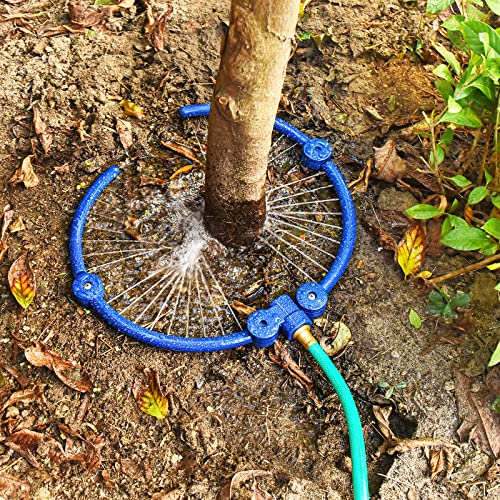
【Specially Designed for Trees and Shrubs】 The Watering Ring is a multi-purpose irrigation ring that attaches to a garden hose to efficiently water young trees shrubs vegetables or flower beds using drip or trickle irrigation.It directs water to the root perimeter of the plant to give them a good start during the first two growing seasons or through periods of drought.
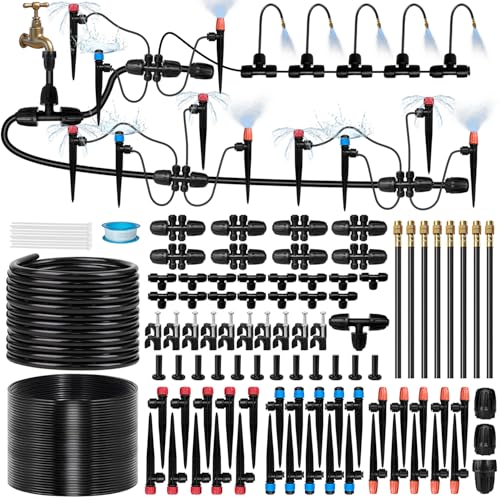
【Upgraded Tube Design & Water Saving】 Our garden watering system is upgraded to 1/2” diameter to support high water pressure. The 1/2” tee connector allows seamless splitting into 2 independent zones for customized watering schedules. By delivering moisture directly to root zones, this drip Irrigation system significantly reduces evaporation and runoff—saving more water compared to conventional sprinklers while eliminating the need for manual watering.

NO MORE HARD INSTALLATION - SET UP IN MINUTES. Tired of struggling with stiff barbed fittings? This drip irrigation system features quick-connect fittings that let you push, lock, and secure tubing effortlessly. No tools, no leaks, just a smooth setup experience. Enjoy a frustration-free installation and get your garden watering system running in minutes.
Deep Watering Techniques for Florida Fruit Trees
Deep watering is essential for the health and productivity of fruit trees in Tampa, FL, where the climate can be challenging. Understanding the right techniques can help ensure that trees receive adequate moisture, promoting robust growth and fruit production. This section explores effective deep watering methods tailored for Florida’s unique conditions.
Deep Watering: Water deeply once a week to encourage deep root growth.
Drip Irrigation: Install a drip irrigation system to provide consistent moisture without waterlogging.
Mulching: Apply organic mulch around the base to retain soil moisture and suppress weeds.
Overwatering Risks for Fruit Trees
Overwatering can pose significant risks to fruit trees in Tampa, Florida, where the climate and soil conditions require careful management of water levels. Excess moisture can lead to root rot and other diseases, ultimately affecting the health and productivity of the trees. Understanding these risks is essential for successful fruit cultivation in the region.
Overwatering can lead to root rot and other diseases. Monitor soil moisture levels regularly.
Fruit Tree Pest and Disease Control
Managing pests and diseases is crucial for the health and productivity of fruit trees in Tampa, FL. The region’s warm climate creates an ideal environment for various threats that can impact growth and yield. Understanding effective control methods will help ensure your fruit trees thrive and produce abundant harvests.
Pests and diseases can threaten fruit tree health. Regular monitoring and preventive measures are vital for maintaining a productive orchard.
Recommended Products

3-IN-1 PLANT CARE: 3-In-1 Insect, Disease & Plant Mite Control provides insect control, disease control, and plant mite control all in one; Rainproof protection starts in 4 hours and lasts up to 14 days
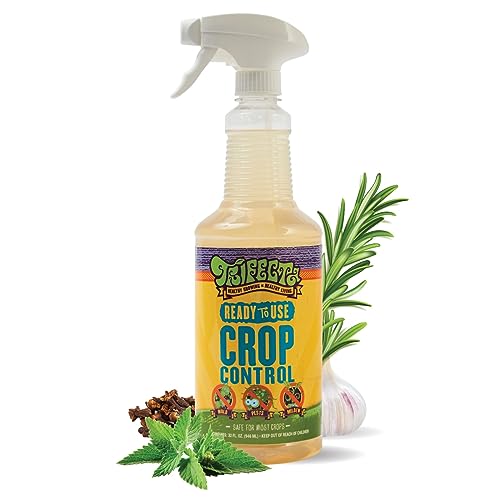
CROP, GARDEN & HOUSEPLANT INSECT CONTROL. Trifecta Crop Control all-natural, plant-based formula effectively combats destructive spider mites, aphids, whiteflies, fungus gnats, and other soft-bodied pests on indoor and outdoor plants. Our biodegradable, eco-friendly solution is safe for use on edible crops, without chemical residues. Our gentle yet potent plant spray suffocates and dehydrates pests without harming beneficial insects or the environment, making it ideal for organic gardening.

CURES & PREVENTS LAWN DISEASES: Fungus Control for Lawns controls and prevents listed lawn diseases when used as directed; Can be used on all lawn types; Use only on lawns
Citrus Canker Management Strategies
Citrus canker poses a significant threat to fruit trees in Tampa, FL, impacting both commercial and home growers. Effective management strategies are essential for minimizing its spread and protecting citrus crops. This section outlines practical approaches to managing citrus canker, ensuring healthier trees and more fruitful yields in Central Florida’s unique growing environment.
Citrus Canker: Use resistant varieties and maintain tree health to prevent outbreaks.
Scale Insects: Apply horticultural oil to affected areas to control infestations.
Fungal Diseases: Ensure good air circulation and avoid overhead watering to minimize fungal growth.
| Pest/Disease | Symptoms | Control Measures |
|---|---|---|
| Citrus Canker | Leaf spots | Resistant varieties |
| Scale Insects | Sticky residue | Horticultural oil |
| Fungal Diseases | Wilting leaves | Improve air circulation |
Optimal Harvest Timing for Tampa Fruit Trees
Understanding the optimal harvest timing for fruit trees in Tampa is essential for maximizing yield and flavor. The unique climate of Central Florida influences when various fruits reach their peak ripeness. This section will explore the best times to harvest popular fruit varieties, ensuring gardeners can enjoy the freshest produce possible.
Harvesting fruit at the right time ensures optimal flavor and quality. Each fruit tree has specific indicators for ripeness.
Citrus Harvesting Best Practices
Harvesting citrus in Tampa requires specific techniques to ensure optimal flavor and quality. Understanding the right timing and methods for picking can significantly impact your yield and the fruit’s overall taste. This section outlines the best practices for harvesting citrus in Central Florida, helping you make the most of your fruit trees.
Citrus: Pick when fully colored and slightly soft to the touch.
Avocado: Harvest when fruit is mature but not fully ripe.
Fig: Gently twist to remove when slightly soft.
Peach: Check for a fragrant aroma and slight give when pressed.
Post-Harvest Fruit Storage Techniques
After harvesting fruit from your trees in Tampa, proper storage techniques are essential to preserve freshness and flavor. Understanding the best practices for post-harvest handling can significantly extend the shelf life of your produce, ensuring that you enjoy the fruits of your labor for weeks to come. This section delves into effective methods tailored for the unique climate of Central Florida.
Store harvested fruit in a cool, dry place. Proper handling minimizes damage and extends shelf life.
| Fruit Type | Storage Temperature | Shelf Life |
|---|---|---|
| Citrus | 50°F – 60°F | 2-3 weeks |
| Avocado | 45°F – 55°F | 1-2 weeks |
| Fig | 32°F – 36°F | 3-5 days |
| Peach | 30°F – 35°F | 1 week |
Plan for Seasonal Changes
Understanding how seasonal changes impact fruit trees is crucial for successful cultivation in Tampa, Florida. The region’s unique climate presents both opportunities and challenges, making it essential to plan accordingly. By adapting to the seasonal variations, you can enhance the growth and yield of your fruit trees throughout the year.
Understanding seasonal changes helps in preparing fruit trees for varying conditions. Regular maintenance and adjustments are necessary to adapt to these changes.
Spring Fertilization and Pruning Techniques
As spring approaches in Tampa, FL, the right fertilization and pruning techniques become essential for thriving fruit trees. Understanding how to nourish and shape your trees during this critical season can significantly enhance fruit production and overall health. This section explores effective methods tailored to the unique climate and soil conditions of Central Florida.
Spring: Fertilize and prune to promote growth.
Summer: Monitor water needs and protect from pests.
Fall: Prepare for cooler temperatures and potential frost.
Winter: Apply mulch and protect young trees from cold.
Optimal Fruit Tree Choices for Tampa
Selecting the right fruit trees for Tampa’s unique climate can significantly enhance your gardening success. With its warm temperatures and distinct growing seasons, certain varieties thrive better than others. This section highlights the optimal fruit tree choices that will flourish in Central Florida, ensuring a bountiful harvest for local gardeners.
Selecting the right fruit trees and understanding their needs is essential for successful cultivation in Tampa, FL. Regular care and attention to seasonal changes will yield a bountiful harvest.
