

Pomegranate trees can thrive in Illinois with proper care and attention. Homeowners should focus on selecting the right variety, understanding soil requirements, and implementing effective maintenance practices to ensure healthy growth.
Best Pomegranate Varieties for Illinois
When selecting pomegranate varieties for Illinois, it’s essential to consider factors such as climate adaptability and fruit quality. The right choices can lead to a fruitful harvest, even in regions with colder winters. This section explores the best pomegranate varieties suited for homeowners in Illinois, ensuring a successful growing experience.
Choosing the correct pomegranate variety is crucial for successful growth in Illinois. Some varieties are better suited for colder climates, while others may struggle. Consider the following options:
Wonderful: Known for its large fruit and high juice content, this variety is popular for home gardens.
Angel Red: Offers sweet, flavorful fruit and is more tolerant to cold temperatures.
Parfianka: Produces large, sweet fruits and is highly regarded for its flavor.
Research local nurseries to find these varieties. Ensure you select healthy seedlings with strong root systems.
Soil Preparation for Pomegranate Growth
To successfully cultivate pomegranate trees in Illinois, proper soil preparation is essential. This section delves into the specific soil conditions and amendments needed to create an optimal growing environment, ensuring your pomegranate trees thrive in the unique climate of the region. Understanding these requirements will set the foundation for a fruitful harvest.
Soil preparation is essential for pomegranate trees. They prefer well-draining soil with a pH level between 5.5 and 7.0. Follow these steps for optimal soil conditions:
Test the soil: Use a soil testing kit to determine pH and nutrient levels.
Amend the soil: Add organic matter like compost to improve drainage and fertility.
Create raised beds: If drainage is a concern, consider planting in raised beds to prevent root rot.
Recommended Products

Quick, at home results for Soil pH, Nitrogen, Phosphorous and Potash Innovative and inexpensive soil test kit features an easy-to-use capsule system and patented color comparators

Kindly NOTE: This soil tester can not be applied to test pH value of any other liquid. If the soil is too dry the indicator will not move, and water it before testing.

Accurate Soil pH Testing: Dewildetradingco Soil pH Test Strips offer measurements of soil pH levels (pH 3.5-9). As an essential tool for every gardener and grower, these test strips help determine the optimal pH for various plants, such as outdoor plants, indoor plants, gardens, grass lawns, fruit trees, flowers, vegetables, and forest shrubs.
Soil Component Benefits for Pomegranate Growth
Understanding the soil components that contribute to the successful growth of pomegranate trees is essential for homeowners in Illinois. The right soil mix not only supports healthy root development but also enhances nutrient availability, ultimately leading to a more fruitful harvest. This section will explore the specific benefits of various soil components tailored for pomegranate cultivation.
| Soil Component | Purpose |
|---|---|
| Compost | Enhances fertility |
| Sand | Improves drainage |
| Mulch | Retains moisture |
Pomegranate Tree Planting Guidelines
Planting pomegranate trees in Illinois requires careful consideration of the local climate and soil conditions. This section outlines essential guidelines to ensure successful growth, including optimal planting times, site selection, and soil preparation. By following these recommendations, homeowners can create a thriving environment for their pomegranate trees.
Planting pomegranate trees requires careful attention to detail. Follow these guidelines for successful planting:
Timing: Plant in early spring after the last frost.
Spacing: Space trees at least 10 to 15 feet apart to allow for growth.
Depth: Dig a hole twice as wide as the root ball and the same depth.
Water thoroughly after planting to help establish roots. Mulching around the base can help retain moisture and suppress weeds.
Watering Techniques for Pomegranate Trees
Proper watering is crucial for the health and productivity of pomegranate trees, especially in Illinois’ unique climate. Understanding the specific needs of these trees will help homeowners ensure optimal growth and fruit development. This section outlines effective watering techniques tailored to promote thriving pomegranate trees in your garden.
Pomegranate trees need consistent watering, especially during dry spells. Here are some watering tips:
Frequency: Water deeply once a week during the growing season.
Method: Use a soaker hose or drip irrigation to deliver water directly to the roots.
Signs of stress: Watch for wilting leaves or cracked fruit, indicating the need for more water.
Recommended Products
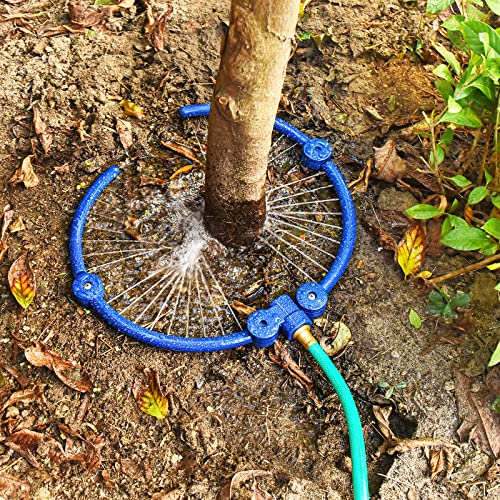
【Specially Designed for Trees and Shrubs】 The Watering Ring is a multi-purpose irrigation ring that attaches to a garden hose to efficiently water young trees shrubs vegetables or flower beds using drip or trickle irrigation.It directs water to the root perimeter of the plant to give them a good start during the first two growing seasons or through periods of drought.

【Even & Consistent Root Watering】Features micro-pore seepage technology that distributes water evenly along the entire hose, transforming spot watering into uniform line watering directly to plant roots. Unlike traditional drip irrigation systems with clog-prone emitters, this soaker hose creates a continuous moisture band for healthier, deeper-rooted plants
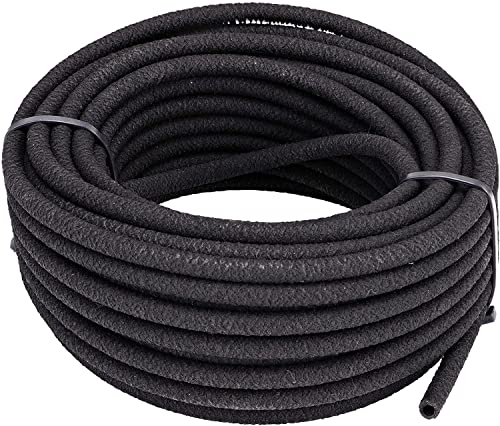
Slowly waters the soil around your plants for complete root zone hydration; Ideal for short runs on flat surfaces, such as vegetable gardens, borders, and around small plants
Pomegranate Tree Watering Guidelines
Proper watering is crucial for the health and productivity of pomegranate trees in Illinois. Understanding the specific needs of these trees will help you establish a routine that promotes growth and fruit production. This section outlines essential watering guidelines to ensure your pomegranate trees thrive in the local climate.
| Season | Watering Frequency |
|---|---|
| Spring | Weekly |
| Summer | Twice weekly |
| Fall | Every two weeks |
Fertilization Techniques for Pomegranate Trees
Fertilizing pomegranate trees is crucial for their growth and fruit production, especially in Illinois’ unique climate. Understanding the right techniques and timing can significantly enhance tree health and yield. This section will explore effective fertilization methods tailored to ensure your pomegranate trees thrive in your backyard.
Proper fertilization supports healthy growth and fruit production. Consider these steps:
Type of fertilizer: Use a balanced, slow-release fertilizer with equal parts nitrogen, phosphorus, and potassium.
Application timing: Fertilize in early spring before new growth begins.
Amount: Follow package instructions based on tree size and age.
Avoid over-fertilizing, which can lead to excessive foliage growth at the expense of fruit production.
Pest and Disease Prevention Strategies
Maintaining healthy pomegranate trees in Illinois requires vigilance against pests and diseases that can threaten their growth. This section outlines effective prevention strategies tailored for the unique climate and conditions of the region, ensuring your trees thrive while minimizing potential risks. By implementing these practices, you can enjoy a bountiful harvest and robust plants year after year.
Pomegranate trees can be susceptible to various pests and diseases. Implement preventive measures to protect your trees:
Common pests: Aphids, spider mites, and pomegranate fruit flies can damage foliage and fruit.
Disease prevention: Ensure proper air circulation and avoid overhead watering to reduce fungal diseases.
Natural remedies: Use insecticidal soap or neem oil to control pest populations.
Recommended Products

KILLS LISTED FRUIT & CITRUS TREE INSECTS: Controls Asian Citrus Psyllid, Whiteflies, Aphids Thrips, Citrus Leafminers, Leafhoppers, Blackfly, Mealybugs, Scales, Avocado Lacebugs, Oriental Beetles, Flea Beetles, Sharpshooters, and Spittlebugs

INSECT KILLER: Fast-acting formula kills listed insects including aphids, Japanese beetles, caterpillars, whiteflies, and other listed pests on contact

APHID KILLER FOR GARDENS: This plant disease and bug control concentrate kills eggs, as well as larval and adult stages of insects; provides control of insect pests including aphids, mealybugs, mites, scales, whiteflies, beetles, and other listed pests
Pest Management Strategies for Pomegranate Trees
Pomegranate trees can thrive in Illinois, but they are not without their challenges, particularly when it comes to pest management. Understanding the common pests that affect these trees and implementing effective strategies is crucial for maintaining their health and productivity. This section will explore various pest management techniques tailored for pomegranate trees in the Illinois climate.
| Pest | Control Method |
|---|---|
| Aphids | Insecticidal soap |
| Spider mites | Neem oil |
| Fruit flies | Traps |
Optimal Harvest Timing for Pomegranates
Understanding the optimal harvest timing for pomegranates is crucial for homeowners in Illinois aiming to maximize their yield. Proper timing ensures that the fruit reaches its peak flavor and nutritional value, making it essential to recognize the signs of ripeness. This section will guide you through the best practices for harvesting pomegranates successfully.
Timing is critical for harvesting pomegranates. Follow these guidelines to ensure fruit quality:
Color: Look for deep red color indicating ripeness.
Sound: Tap the fruit; a metallic sound suggests it is ripe.
Timing: Harvest in late summer to early fall, depending on the variety.
Use pruning shears to cut the fruit from the tree, avoiding damage to the branches.
Careful attention to these details will lead to a successful pomegranate harvest in Illinois.
