

Growing pomegranate trees in pots in Wisconsin requires specific indoor survival methods due to the region’s cold winters. To successfully cultivate these trees, ensure proper light, temperature, and humidity control to mimic their natural environment.
Indoor Care for Pomegranate Trees in Wisconsin
Pomegranate trees thrive in warm, sunny climates and require well-draining soil. In Wisconsin, the challenge lies in maintaining these conditions indoors during the winter months. Adequate light is crucial for growth, and maintaining the right temperature will help the tree flourish.
Recommended Products
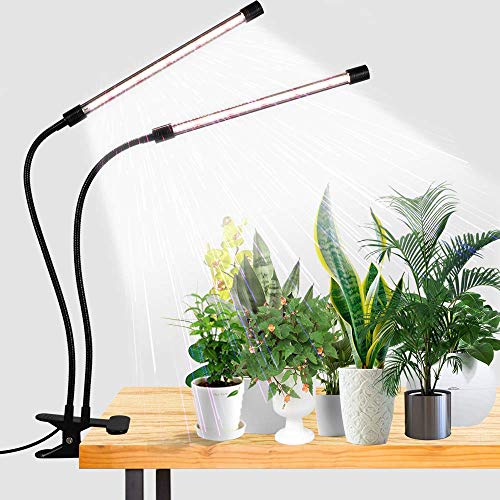
6000K White Light - equipped with 10 Red + 74 White LEDs, this growing Lamp is similar to the full-spectrum sunlight at noon,that is professionally designed for indoor garden plants.Moreover, its color rendering index is as high as 95, the light is soft and flicker-free, which is very suitable for reading lamp

72 LED Full Spectrum, 380nm-800nm – Built with 72 super bright LEDs covering the full 380nm-800nm spectrum: 36 white 5000K, 28 warm white 3000K, 6 red and 2 blue. This grow light for indoor plants delivers the wavelengths your plants need year-round, supporting every stage from seedling to bloom — even in rooms with little natural sunlight.

Floor Standing Plant Light: The height adjustable 17 to 61 inches stand (rotate the metal ring on the bracket to pull out the extension) coupled with the 7.8 inch flexible gooseneck allows it to handle large, tall plants with ease; Additionally, it can adjust the angle and direction of the grow lamp to ensure that every part of the plant gets the best light it needs to grow
Optimal Conditions for Pomegranate Growth
Pomegranate trees can thrive in pots even in Wisconsin’s challenging climate, provided they receive the right care. Understanding the optimal conditions for their growth is crucial, as these trees require specific light, temperature, and soil conditions to flourish indoors. This section outlines the essential factors that contribute to the successful cultivation of pomegranates in pots.
Creating the right indoor environment is essential for the survival of pomegranate trees in pots. These trees prefer:
Light: At least 6-8 hours of direct sunlight daily.
Temperature: A range of 65-75°F during the day and slightly cooler at night.
Humidity: Moderate humidity levels, ideally between 40-60%.
To achieve these conditions, consider using grow lights if natural sunlight is insufficient.
Potting Mix and Container Guidelines
When growing pomegranate trees in pots in Wisconsin, selecting the right potting mix and container is crucial for their survival and growth. The combination of soil composition and container size can significantly impact the tree’s health, especially in an indoor environment where conditions differ from their natural habitat. Understanding these guidelines will help ensure your pomegranate thrives.
Choosing the right soil and pot is vital for pomegranate tree health. Use a well-draining potting mix that retains some moisture but allows excess water to escape.
Pot Size: Start with a pot that is at least 12 inches in diameter.
Drainage: Ensure the pot has drainage holes to prevent root rot.
A quality ceramic or terracotta pot can help regulate temperature and moisture levels.
Pomegranate Care: Watering and Fertilizing Tips
Caring for pomegranate trees in pots requires attention to their unique watering and fertilizing needs, especially in Wisconsin’s climate. Proper hydration and nutrient management are essential for healthy growth and fruit production. This section offers practical tips to help ensure your pomegranate thrives indoors, even during the colder months.
Proper watering and fertilizing practices will support healthy growth. Pomegranate trees prefer to dry out slightly between waterings.
Watering: Water when the top inch of soil feels dry.
Fertilizing: Use a balanced fertilizer every 4-6 weeks during the growing season.
Avoid over-fertilizing, as this can lead to excessive leaf growth at the expense of fruit production.
Pomegranate Tree Pest Control Strategies
Pomegranate trees, while resilient, can face various pest challenges, especially when grown in pots in Wisconsin. Effective pest control strategies are essential for maintaining the health of these indoor plants, ensuring they thrive despite the unique environmental conditions. Understanding these methods will help you protect your pomegranate trees from common pests and promote robust growth.
Indoor pomegranate trees can be susceptible to pests and diseases. Regular monitoring will help catch issues early. Common pests include:
Spider mites: Look for webbing on leaves.
Aphids: Check for clusters on new growth.
To manage these pests, use insecticidal soap or neem oil as needed. Ensure good air circulation to prevent fungal diseases.
Winter Care for Potted Pomegranates
Winter can be a challenging time for potted pomegranate trees in Wisconsin, as the cold temperatures and limited sunlight can hinder their growth. Proper care during this season is essential to ensure these vibrant plants thrive indoors. Understanding the specific needs of pomegranates during winter will help you maintain their health and vitality until spring arrives.
As seasons change, adjust care routines accordingly. During winter, reduce watering frequency as the tree enters dormancy.
Light: Move the tree closer to windows or use supplemental grow lights.
Temperature: Keep the indoor environment stable to avoid shocking the tree.
Pomegranate Care Guidelines for Indoor Growth
Growing pomegranate trees indoors in Wisconsin presents unique challenges due to the state’s climate. To ensure these vibrant trees thrive, specific care guidelines must be followed. This section outlines essential practices for nurturing pomegranate trees in pots, focusing on light, watering, and temperature requirements to promote healthy growth and fruit production.
| Care Aspect | Recommended Action | Frequency |
|---|---|---|
| Light | 6-8 hours direct sunlight | Daily |
| Water | Water when top inch is dry | As needed |
| Fertilizer | Balanced fertilizer | Every 4-6 weeks |
| Pest Control | Insecticidal soap or neem oil | As needed |
Pomegranate Tree Harvesting and Pruning Tips
Harvesting and pruning pomegranate trees in pots can significantly enhance their growth and fruit production, especially in Wisconsin’s unique climate. Understanding the right techniques and timing is essential for maintaining healthy plants and ensuring a bountiful yield. This section offers practical tips to help you successfully manage your pomegranate trees indoors.
Once your pomegranate tree begins to bear fruit, proper harvesting and pruning will enhance yield.
Harvesting: Wait until fruits are fully colored and slightly soft to the touch.
Pruning: Trim dead or overcrowded branches to promote airflow and fruit production.
Regular maintenance will ensure a healthy tree and a bountiful harvest.
Indoor Care Tips for Pomegranate Trees
Caring for pomegranate trees indoors in Wisconsin requires specific attention to their unique needs. This section provides essential tips for maintaining healthy growth and fruit production, focusing on light, temperature, and watering conditions that are crucial for these vibrant trees to thrive in a pot. Understanding these factors will help ensure your pomegranate tree flourishes despite the indoor environment.
Maintaining pomegranate trees indoors in Wisconsin requires diligence and attention to detail. Monitor light, temperature, and moisture levels closely.
Be prepared to adjust care routines based on seasonal changes. Regularly check for pests and diseases to keep your tree healthy.
