

Fruit trees can thrive in Detroit, MI, with the right selection and care. Choosing hardy varieties such as apple and cherry trees ensures successful urban farming in the region’s climate.
Hardy Fruit Tree Selection for Detroit
Selecting the right fruit trees for Detroit’s unique climate is essential for successful urban farming. This section explores hardy fruit tree varieties that thrive in the region, considering factors like temperature fluctuations and soil conditions. By focusing on resilient species, urban gardeners can cultivate fruitful landscapes that contribute to local sustainability and food security.
When selecting fruit trees for Detroit, consider the local climate and soil conditions. The USDA Hardiness Zone for Detroit is primarily 6a, which influences the types of trees that can flourish.
Look for varieties that can withstand cold winters and thrive in the growing season. Popular choices include:
Apple Trees: Varieties like Honeycrisp and Fuji are well-suited for the area.
Cherry Trees: Both sweet and sour types can perform well.
Pear Trees: Varieties such as Bartlett are also hardy.
Soil Quality Impact on Fruit Tree Growth
Soil quality plays a crucial role in the successful growth of fruit trees, especially in urban environments like Detroit. Understanding the composition, pH levels, and nutrient availability of the soil can significantly influence tree health and fruit production. This section delves into how these factors affect fruit tree cultivation in the city.
Soil quality significantly affects fruit tree growth. Urban areas often have compacted soil, which can hinder root development.
Testing your soil for pH and nutrient levels is essential. Most fruit trees prefer slightly acidic to neutral soil (pH 6.0 to 7.0).
Soil Testing for Urban Fruit Trees
Soil testing is a crucial step for successful urban fruit farming in Detroit. Understanding the soil composition and nutrient levels will help ensure that fruit trees thrive in the city’s unique environment. This section will guide you through the importance of soil testing and how to effectively assess your soil for optimal fruit tree growth.
Test Soil: Use a soil test kit to determine pH and nutrient levels.
Amend Soil: Add compost or organic matter to improve texture and fertility.
Aerate Soil: Use a garden fork or aerator to relieve compaction.
| Soil Quality Factor | Ideal Range | Impact on Growth |
|---|---|---|
| pH Level | 6.0 – 7.0 | Optimal nutrient uptake |
| Organic Matter | 5% or more | Enhances soil structure |
| Compaction | Low | Promotes root expansion |
Optimal Planting Depth and Spacing Techniques
When establishing fruit trees in Detroit’s unique urban environment, understanding optimal planting depth and spacing is crucial for their success. These factors not only influence the trees’ growth but also their ability to thrive amidst the challenges of city living. Proper techniques can enhance yield and ensure the longevity of your urban orchard.
Proper planting techniques and spacing are crucial for fruit tree health. Trees should be planted at the right depth and distance apart to ensure adequate sunlight and airflow.
Optimal Planting Location for Fruit Trees
Choosing the right planting location is crucial for the success of fruit trees in Detroit’s unique urban environment. Factors such as sunlight exposure, soil quality, and proximity to structures can significantly impact tree growth and fruit production. Understanding these elements will help urban farmers maximize their yields while ensuring the health of their trees.
Choose Location: Select a sunny spot with good drainage.
Dig Holes: Make holes twice as wide as the root ball and the same depth.
Space Trees: Allow at least 15-20 feet between each tree to prevent overcrowding.
Optimal Planting Depth for Fruit Trees
Understanding the optimal planting depth for fruit trees is crucial for successful urban farming in Detroit. Proper depth ensures that trees establish strong root systems, which are vital for their growth and resilience in the local climate. This section will provide specific guidelines to help gardeners maximize their fruit tree yields while adapting to the unique challenges of urban environments.
Avoid planting too deep to prevent root rot.
Water thoroughly after planting to settle the soil.
Seasonal Maintenance for Detroit Fruit Trees
Maintaining fruit trees in Detroit requires attention to seasonal changes and local climate conditions. Understanding the specific needs of your trees throughout the year can enhance their growth and fruit production. This section outlines essential maintenance tasks tailored to the unique challenges of urban farming in the Detroit area.
Caring for fruit trees throughout the seasons ensures a healthy harvest. Each season requires specific actions to maintain tree health.
Spring Pruning Techniques for Fruit Trees
Spring is a crucial time for maintaining the health and productivity of fruit trees in Detroit’s unique climate. Proper pruning techniques can enhance growth, improve fruit quality, and ensure the trees thrive in an urban farming environment. Understanding these methods will help you cultivate a successful fruit orchard in the heart of the city.
Prune Trees: Remove dead or crossing branches to promote growth.
Fertilize: Use a balanced fertilizer to support new growth.
Summer Watering Strategies for Fruit Trees
In the sweltering summer months, maintaining adequate moisture for fruit trees in Detroit is crucial for their health and productivity. Effective watering strategies can help ensure these trees thrive despite the heat. This section explores practical tips and techniques to keep your urban orchard flourishing during the hottest time of the year.
Water Regularly: Ensure trees receive at least one inch of water per week.
Monitor Pests: Check for signs of pests and apply organic insecticides if necessary.
Autumn Fruit Harvesting Techniques
As autumn approaches in Detroit, the time for harvesting fruit from urban orchards arrives. Understanding effective harvesting techniques is crucial for maximizing yield and ensuring the best flavor and quality. This section will explore practical methods tailored to the unique conditions of the city, helping urban farmers make the most of their fruit trees during this vibrant season.
Harvest Fruit: Pick ripe fruit to encourage further production.
Mulch: Apply mulch to protect roots during winter.
Winter Protection for Young Fruit Trees
Winter can be particularly harsh in Detroit, posing challenges for young fruit trees. Proper protection during these cold months is essential to ensure their survival and long-term health. This section will explore effective strategies to safeguard young trees from extreme temperatures and harsh weather conditions.
Wrap Young Trees: Use tree wraps to protect against frost and sunscald.
Remove Debris: Clean fallen leaves and fruit to prevent disease.
Pest and Disease Threats to Urban Fruit Trees
Urban fruit trees in Detroit face various pest and disease threats that can hinder their growth and productivity. Understanding these challenges is crucial for urban farmers looking to cultivate healthy trees in the city’s unique climate. This section explores common pests and diseases, along with strategies to mitigate their impact on urban orchards.
Urban fruit trees can face various pests and diseases that affect yield. Understanding these threats allows for timely intervention.
Recommended Products

Control diseases and insects in your garden with Captain Jack’s Fruit Tree Spray Concentrate! Use on a variety of listed fruits, nuts and citrus plants.
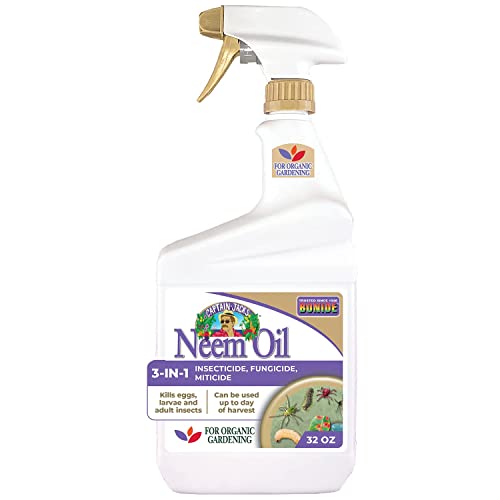
MULTI-PURPOSE BUG KILLER - Bonide Neem Oil is a perfect pest control solution for any garden dealing with mites, flies, mildew, and more. This product is a three-in-one fungicide, miticide, and insecticide.

Aphid Infestation Management Strategies
Aphids can be a significant challenge for urban fruit tree growers in Detroit, MI, impacting both plant health and fruit yield. Understanding effective management strategies is essential for maintaining a thriving urban farm. This section outlines practical approaches to control aphid infestations while promoting the overall resilience of your fruit trees.
Aphids: Small insects that suck sap from leaves.
Powdery Mildew: A fungal disease that appears as white spots on leaves.
Coddling Moth: A pest that infests apples and pears.
Pest and Disease Monitoring Techniques
Effective pest and disease monitoring is crucial for maintaining healthy fruit trees in Detroit’s urban farming landscape. By employing specific techniques tailored to the region’s climate and common threats, growers can safeguard their crops and enhance productivity. Understanding these methods will empower urban farmers to tackle challenges proactively and ensure a fruitful harvest.
Regular Inspections: Check trees frequently for signs of pests or disease.
Organic Treatments: Use neem oil or insecticidal soap for pest control.
Disease-Resistant Varieties: Select tree varieties that are less prone to common diseases.
Urban Orchard Yield Enhancement Strategies
Urban orchards in Detroit can thrive with the right strategies to enhance yield. By focusing on proper planting techniques, soil health, and pest management, urban farmers can maximize their fruit production. Implementing these methods not only boosts output but also contributes to the sustainability of local food systems in the city.
Creating a thriving urban orchard requires dedication and knowledge. Focus on proper care, pest management, and seasonal maintenance to maximize fruit production.
Cross-Pollination Strategies for Fruit Trees
Effective cross-pollination is essential for maximizing fruit yield and quality in urban orchards. In Detroit’s unique climate, understanding the best practices for cross-pollinating fruit trees can significantly enhance your gardening efforts. This section explores various strategies tailored to the specific needs of fruit trees in the region, ensuring a fruitful harvest.
Cross-Pollination: Plant compatible varieties to enhance fruit set.
Regular Pruning: Maintain tree shape and health for better yields.
Soil Health: Continuously improve soil quality through organic amendments.
By following these guidelines and understanding the unique challenges of urban farming in Detroit, you can successfully grow fruit trees that thrive and produce abundant harvests.
