

Selecting the right fruit trees for Columbus, OH involves understanding the local climate and soil conditions. The Ohio Valley’s unique growing guidelines help ensure successful cultivation and fruit production. This article outlines essential considerations and specific varieties suited for the region.
Climate and Soil Factors for Fruit Trees
Columbus, OH experiences a humid continental climate, which significantly influences fruit tree growth. The winters are cold, while summers are warm and humid. Soil types vary, but most areas have clay or loamy soils, which can affect drainage and nutrient availability.
When selecting fruit trees, consider the following factors:
Hardiness Zone: Columbus falls within USDA Zone 6a, which determines suitable varieties.
Soil pH: Aim for a pH between 6.0 and 7.0 for optimal growth.
Drainage: Ensure good drainage to prevent root rot.
Best Fruit Trees for Columbus Climate
When selecting fruit trees for Columbus, Ohio, it’s essential to consider the local climate and soil conditions. The Ohio Valley presents unique growing challenges and opportunities, making it crucial to choose varieties that thrive in this region. This section highlights the best fruit trees suited for Columbus, ensuring successful cultivation and fruitful harvests.
Choosing the right varieties can lead to a successful harvest. Here are some recommended fruit trees for Columbus:
| Fruit Tree | Variety | Harvest Time | Notes |
|---|---|---|---|
| Apple | Honeycrisp | Late September | Disease-resistant and sweet |
| Peach | Redhaven | Early August | Self-pollinating and hardy |
| Cherry | Bing | Mid-June | Requires cross-pollination |
| Pear | Bartlett | Late September | Excellent for canning |
These varieties thrive in the local climate and are known for their resilience against common pests and diseases.
Essential Tools for Planting Fruit Trees
Successfully planting fruit trees in Columbus, OH requires the right tools to ensure healthy growth and development. From soil preparation to proper planting techniques, having the essential equipment on hand can make a significant difference in establishing a thriving orchard. This section will outline the must-have tools to help you get started on your fruit tree journey.
Before planting, gather essential tools and supplies. Proper preparation ensures a smooth planting process and healthy tree establishment.
Shovel: For digging holes.
Pruning Shears: For shaping trees.
Mulch: To retain moisture and suppress weeds.
Fertilizer: A balanced blend for initial growth.
Recommended Products
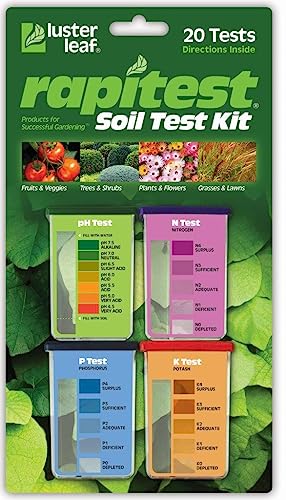
Quick, at home results for Soil pH, Nitrogen, Phosphorous and Potash Innovative and inexpensive soil test kit features an easy-to-use capsule system and patented color comparators

Quick, at home results for Soil pH, Nitrogen, Phosphrous and Potash

Comprehensive Soil Analysis: Liquid soil test kits offer a comprehensive analysis of essential soil parameters, including pH, ammonia, nitrogen, phosphorus, and potassium. Having all these measurements in one kit provides a holistic understanding of the soil's fertility and health.
Planting Preparation and Safety Tips
Preparing to plant fruit trees in Columbus, OH requires careful consideration of local conditions and safety measures. Understanding the specific needs of your chosen varieties, along with best practices for planting, will ensure a successful start to your orchard. This section provides essential tips to help you navigate the planting process effectively and safely.
Proper preparation is crucial for successful planting. Follow these steps:
Choose a Planting Site: Select a location with full sun exposure.
Test Soil: Use a soil test kit to determine nutrient levels and pH.
Clear Debris: Remove weeds and rocks from the planting area.
Wear Safety Gear: Use gloves and eye protection when handling tools.
Successful Fruit Tree Planting Techniques
Successfully planting fruit trees in Columbus, OH requires an understanding of local climate conditions and soil types. By following specific techniques tailored to the Ohio Valley, gardeners can enhance growth and fruit production. This section outlines effective strategies to ensure your fruit trees thrive in this region.
Planting fruit trees requires careful execution to ensure their long-term health. Follow these steps:
Dig a Hole: Create a hole twice as wide as the root ball and as deep as the root system.
Position the Tree: Place the tree in the hole, ensuring the graft union is above soil level.
Backfill with Soil: Fill the hole with soil, gently tamping to eliminate air pockets.
Water Generously: Provide ample water after planting to settle the soil.
Pest and Disease Challenges for Fruit Trees
In Columbus, Ohio, fruit trees face a variety of pest and disease challenges that can significantly impact their health and productivity. Understanding these threats is crucial for local growers aiming to cultivate thriving orchards. This section delves into common pests and diseases specific to the Ohio Valley, offering insights on prevention and management strategies.
Monitoring for pests and diseases is essential for maintaining healthy fruit trees. Common issues include:
Aphids: Small insects that can weaken trees.
Crown Rot: Fungal disease affecting roots.
Brown Rot: Fungal disease that affects fruit.
Implement preventive measures and treatments as needed.
Year-Round Fruit Tree Maintenance Tasks
Maintaining fruit trees in Columbus, OH requires a year-round commitment to ensure healthy growth and fruitful harvests. From seasonal pruning to pest management, each task plays a crucial role in the overall health of your trees. Understanding these maintenance tasks will help you cultivate a thriving orchard in the Ohio Valley climate.
Seasonal care is vital for fruit tree health and productivity. Here are key tasks to perform throughout the year:
Spring: Fertilize and prune trees before new growth begins.
Summer: Water adequately, especially during dry spells.
Fall: Mulch around the base to protect roots during winter.
Winter: Inspect for damage and protect against harsh conditions.
Essential Practices for Thriving Fruit Trees
To cultivate healthy fruit trees in Columbus, OH, understanding essential practices is crucial. This section outlines key techniques and considerations specific to the Ohio Valley, ensuring that your trees not only survive but thrive in the region’s unique climate and soil conditions. Implementing these practices will enhance your fruit yield and overall tree vitality.
Invest time in understanding your trees’ needs and local conditions. Regularly check for signs of stress or disease.
Healthy trees produce better yields and require less intervention.
Monitor growth and adjust care as necessary for optimal results.
